
What a Suspended License Actually Means - and What It Doesn't

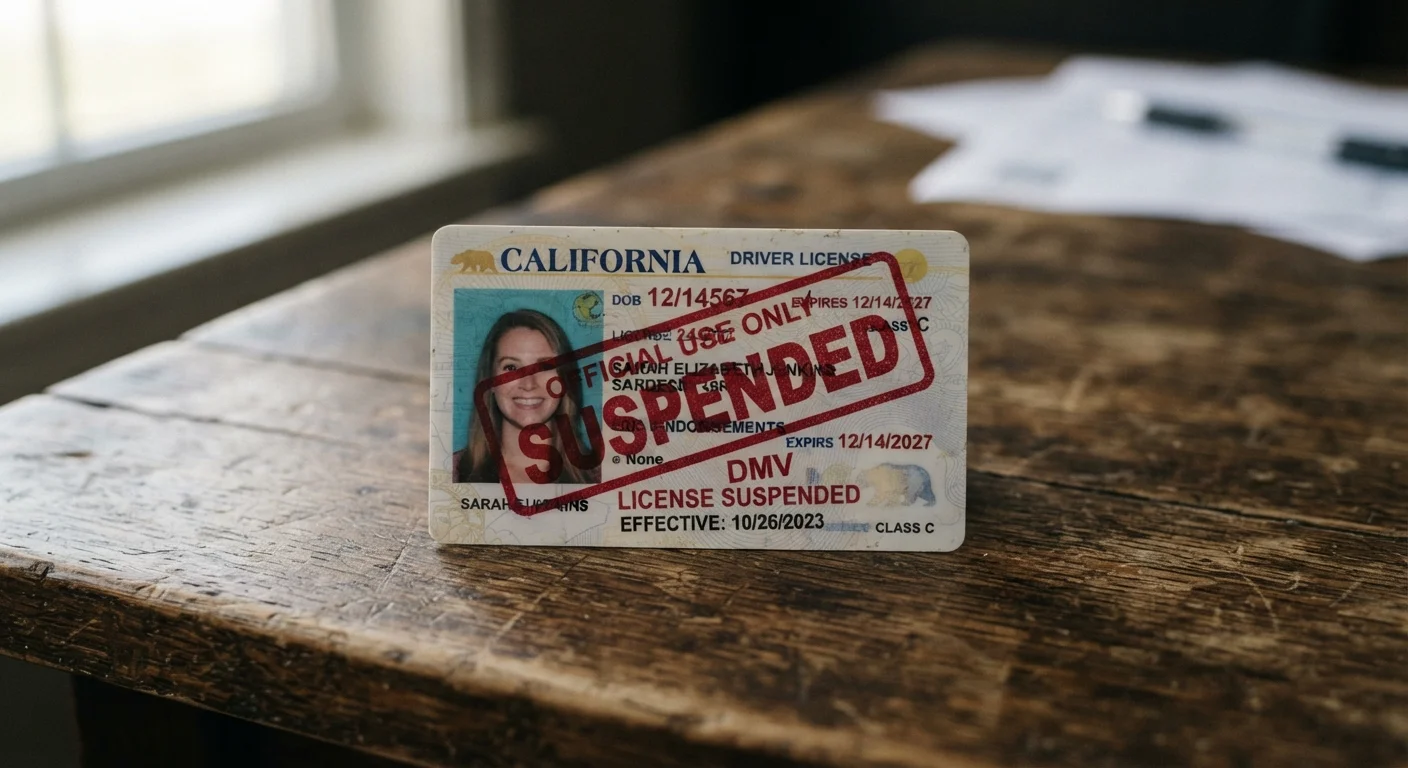
Photo: ResultsExplorer.com | Top Blogs For Everyone editorial
Key Takeaways
- A suspended license is temporary; a revoked license requires you to reapply from scratch.
- Driving on a suspended license is a criminal offense in every US state.
- Suspensions can be triggered by traffic violations, unpaid fines, DUI convictions, or even non-driving issues like unpaid child support.
- Reinstatement almost always requires paying a fee and meeting specific conditions set by your state DMV.
- Your auto insurance rates will typically rise significantly after a suspension appears on your record.
What Triggers a License Suspension?
Suspensions fall into two broad categories: driving-related and non-driving-related. Understanding which applies to you determines what steps you need to take to get back on the road legally.
Driving-related triggers include:
- Accumulating too many points on your driving record within a set time window
- A DUI or DWI conviction
- Reckless driving or racing on public roads
- Refusing a chemical sobriety test (implied consent laws apply in all states)
- At-fault involvement in a serious accident without adequate insurance
Non-driving triggers - which many drivers don't expect - include:
- Failure to pay child support orders
- Certain drug convictions, even those not involving a vehicle
- Unpaid traffic fines or failure to appear in court
- Lapse in required auto insurance coverage
State Rules Vary Widely
Every state manages its own suspension system, so the exact thresholds, durations, and reinstatement requirements differ. Always contact your state's Department of Motor Vehicles (DMV) or equivalent agency directly to understand your specific situation.
Suspension vs. Revocation: A Critical Distinction
These two terms are often confused, but they carry very different consequences. A suspension is temporary. Your driving privileges are paused, and they can be restored once you satisfy the conditions your state sets - paying a fee, completing a program, or simply waiting out the suspension period.
A revocation, by contrast, permanently cancels your driver's license. If your license is revoked, you cannot simply wait for it to come back. You must reapply for a new license - including passing written and road tests - and you may face an eligibility waiting period before you can even do that. Revocations are typically reserved for the most serious offenses, such as repeat DUI convictions or vehicular manslaughter.
~11 million
Drivers with suspended licenses in the US
Research from the American Association of Motor Vehicle Administrators has estimated tens of millions of US drivers have suspended or revoked licenses at any given time, with studies often citing figures in the range of 11 million or more.
Up to 3x
Potential insurance rate increase after DUI suspension
Auto insurance industry data consistently shows that a DUI or serious suspension can multiply a driver's premiums significantly, though the exact impact depends on the insurer, state, and driver's history.
If you are unsure whether your license has been suspended or revoked, your state's DMV can tell you your current status. Many states offer online MVR lookup tools.
What You Cannot Legally Do - and What You Can
The clearest rule: you cannot legally drive any motor vehicle on public roads while your license is suspended, regardless of the reason for the suspension. This applies even if you believe the suspension was issued in error - you must resolve it through official channels first.
Consequences of driving on a suspended license can include:
- Additional fines on top of existing obligations
- Extension of the original suspension period
- Arrest and potential jail time, depending on your state and your record
- Vehicle impoundment
What you can do legally during a suspension:
- Apply for a restricted or hardship license in states that offer them - this allows limited driving for essential purposes such as work, school, or medical appointments
- Use your suspended license as a government-issued photo ID for non-driving purposes
- Begin completing reinstatement requirements immediately, such as enrolling in a required course
This article provides general educational information about driver's license suspensions in the United States and is not legal advice. Laws vary significantly by state. If you are facing a suspension or related legal matter, consult a licensed attorney or contact your state's DMV for guidance specific to your situation.
Frequently Asked Questions
The content provided on our blog site traverses numerous categories, offering readers valuable and practical information. Readers can use the editorial team’s research and data to gain more insights into their topics of interest. However, they are requested not to treat the articles as conclusive. The website team cannot be held responsible for differences in data or inaccuracies found across other platforms. Please also note that the site might also miss out on various schemes and offers available that the readers may find more beneficial than the ones we cover.