
Before Winter Arrives: A Home Weatherproofing Walkthrough

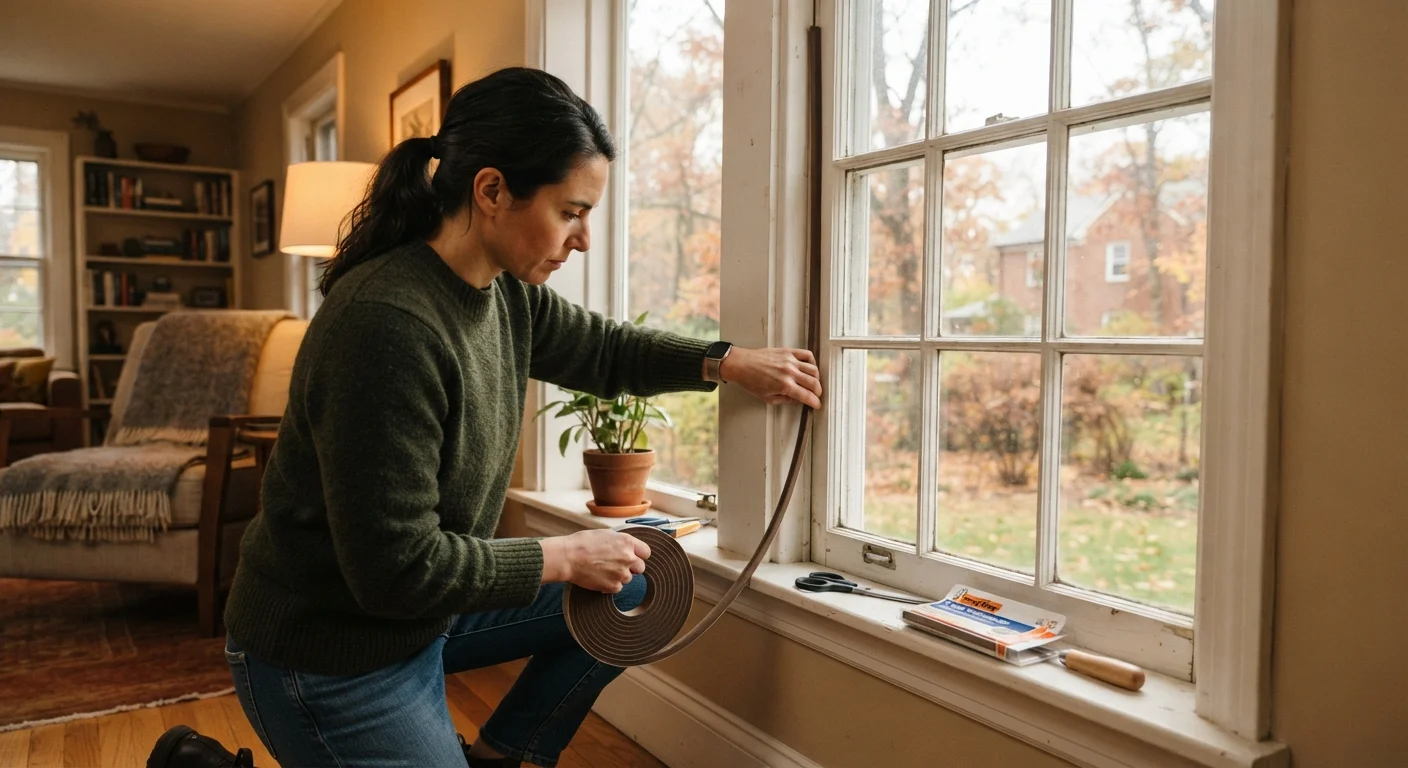
Photo: ResultsExplorer.com | Top Blogs For Everyone editorial
Key Takeaways
- Air sealing gaps around windows, doors, and penetrations is one of the highest-impact weatherproofing steps.
- Heating system maintenance should be completed before the first hard freeze - not during it.
- Gutters, downspouts, and exterior drainage need attention before freezing temperatures arrive.
- A room-by-room walk of your home reveals drafts and moisture risks that are easy to miss.
- Some tasks - especially those involving gas lines, electrical, or structural work - require a licensed professional.
Why Weatherproofing Before Winter Matters
Cold weather amplifies every small gap, aging seal, and deferred maintenance task in your home. A drafty window that seemed minor in September can drive up heating costs significantly by January. Pipes that were fine last winter may be vulnerable if temperatures drop lower this year. Catching these issues before the season hits is almost always cheaper and less disruptive than addressing them after the fact.
This walkthrough is designed to help you move systematically through your home - exterior first, then mechanical systems, then interior - so nothing critical falls through the cracks. It pairs well with the full annual maintenance planner if you want a broader year-round framework.
Gas and Electrical Work Requires a Licensed Pro
What You'll Need to Get Started
Before you begin your walkthrough, gather the basic tools and materials that make the job efficient. Having everything on hand means you can seal a gap or note a problem without stopping mid-task.
Caulk gun and exterior-grade caulk
Sealing gaps around window frames, door frames, and utility penetrations in exterior walls.
Weatherstripping tape and door sweeps
Replacing worn seals on exterior doors to block drafts at the sides, top, and base.
Pipe insulation foam sleeves
Wrapping exposed water pipes in unheated areas to reduce freeze risk.
Flashlight or headlamp
Inspecting dark areas such as attics, crawl spaces, and behind appliances during your walkthrough.
Incense stick or smoke pencil
Detecting air leaks around windows, doors, and outlets by watching how smoke moves near the frame.
Carbon monoxide detector (spare)
Replacing aging units in bedrooms and near fuel-burning appliances before heating season.
If you're also thinking about your outdoor living areas, the pre-frost garden checklist covers soil, plant storage, and tool care that should happen around the same time.
The Full Weatherproofing Checklist
Work through each group below in order. The exterior checks come first because roof, gutter, and foundation issues can affect interior moisture levels - you want to know about those before you insulate or seal inside.
Exterior & Envelope
Doors, Windows & Air Sealing
Heating System & Mechanicals
Plumbing & Pipes
Don't Seal a Wet or Moldy Space
Once your home is secure, don't overlook your vehicle. The seasonal vehicle inspection guide walks through tires, fluids, and battery checks that are equally time-sensitive before cold arrives.
After the Walkthrough: Prioritizing What You Found
Most homeowners discover a mix of quick fixes and bigger items during a thorough walkthrough. Not everything requires immediate action - but some things do. Any issue involving your heating system's heat exchanger, gas connections, or venting should be assessed by a licensed HVAC technician before the unit runs continuously through winter. Similarly, electrical work near attic insulation or moisture-affected areas belongs to a qualified electrician.
For the items you handle yourself, work from the outside in: seal the building envelope first, then address interior drafts, then confirm mechanical systems are serviced. A well-prioritized approach means even a partial checklist done properly offers meaningful protection. For ideas on extending your outdoor areas into all four seasons, see designing an outdoor space for year-round use once interior prep is complete.
The content provided on our blog site traverses numerous categories, offering readers valuable and practical information. Readers can use the editorial team’s research and data to gain more insights into their topics of interest. However, they are requested not to treat the articles as conclusive. The website team cannot be held responsible for differences in data or inaccuracies found across other platforms. Please also note that the site might also miss out on various schemes and offers available that the readers may find more beneficial than the ones we cover.