
Designing an Outdoor Space You'll Actually Use Year-Round

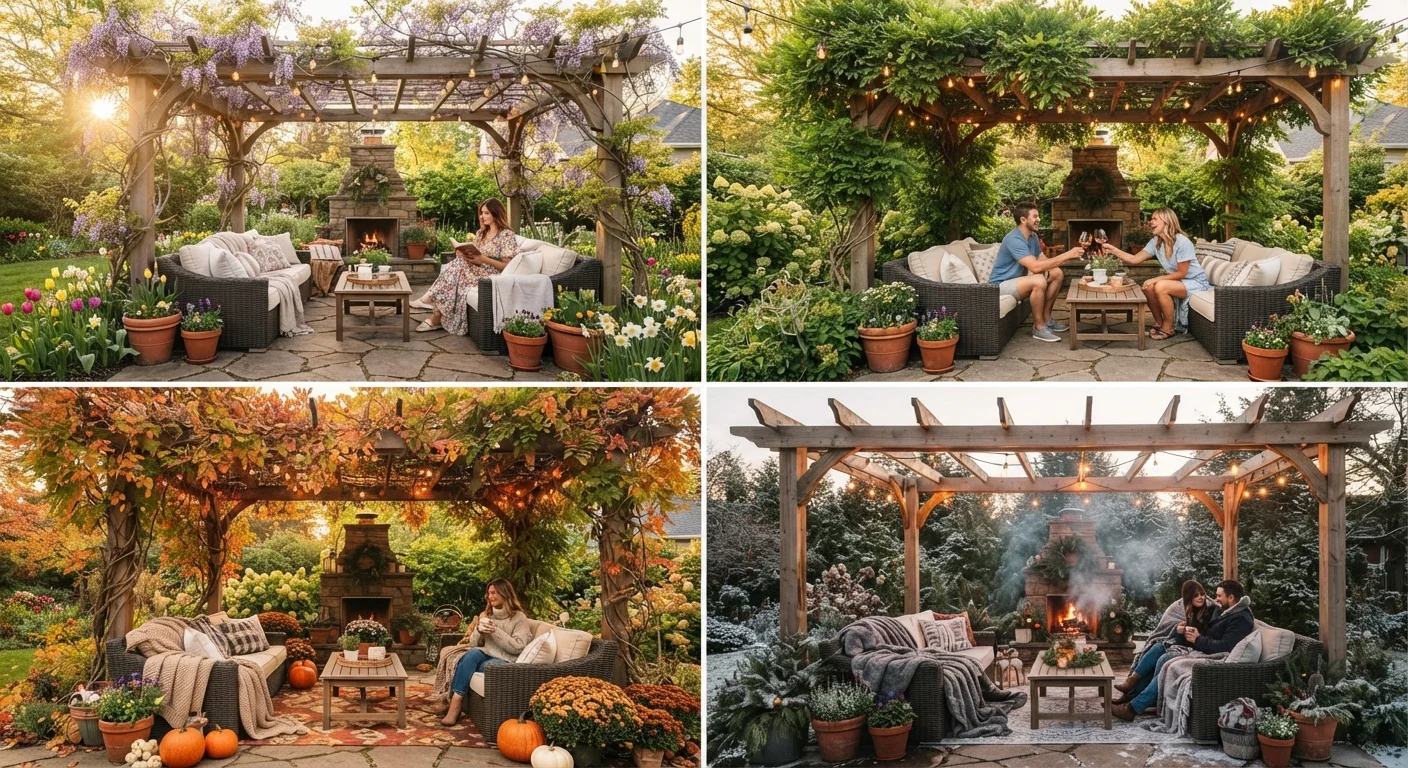
Photo: ResultsExplorer.com | Top Blogs For Everyone editorial
Key Takeaways
- Map how you plan to use the space before choosing any materials or plants.
- Durable hardscaping - patios, paths, edging - is the investment that underpins everything else.
- Overhead shelter dramatically increases the number of days you'll actually go outside.
- A layered planting palette keeps the garden visually alive from February through November.
- Thoughtful lighting turns an outdoor space into an evening destination, not just a daytime feature.
- Simple seasonal maintenance habits prevent small problems from becoming expensive repairs.
Start With How You Actually Want to Use the Space
The single biggest reason outdoor spaces go unused is that they were designed for aesthetics first and lifestyle second. Before selecting a single paver or plant, ask yourself some practical questions: Do you cook outside regularly? Do children need a safe play zone? Do you host dinner parties or prefer solitary morning coffee? Does your household include pets that need room to move?
Write those answers down and let them drive every subsequent decision. A family that grills three times a week needs a different layout than someone who wants a reading nook surrounded by fragrant plants. Treat the outdoor area as an extension of your interior floor plan - zoned, purposeful, and sized to the activities it will support.
Also factor in your climate. What is your true usable season without added shelter or heating? In much of the U.S., that window is narrower than people assume, which is exactly why the structural choices covered in the next sections matter so much. If you're also thinking about larger home upgrades alongside this project, our renovation planning guide covers how to budget and sequence work across multiple projects effectively.
Sketch your space at 1:20 scale on graph paper before buying anything - physically moving furniture cutouts reveals traffic flow problems that photos never catch.
Install at least one outdoor electrical outlet during initial construction, even if you don't plan to use it immediately - retrofitting one later costs significantly more.
Choose furniture that can be left outdoors year-round in your climate - if you know you won't store it, buy materials rated for it from the start.
Hardscaping: The Foundation That Makes Everything Else Work
Hardscaping - the non-plant elements of an outdoor space: patios, paths, retaining walls, edging - is where year-round usability is built or lost. A muddy lawn becomes impassable in November; a well-laid patio does not.
When choosing a surface material, think about three things: durability in your local freeze-thaw cycle, slip resistance when wet, and maintenance requirements. Concrete pavers, natural stone, and porcelain tile all handle freeze-thaw well when installed with proper drainage and base depth. Unsealed wood decking can become slippery and requires annual maintenance. Composite decking reduces that burden considerably, though it has a higher upfront cost.
Drainage is the detail most homeowners overlook. A patio that pools water after rain will go unused for days at a time. Aim for a gentle slope - typically around 1-2% grade away from the house - and consider a gravel border or channel drain at the low edge. For guidance on reducing long-term upkeep across the whole garden, see our overview of low-maintenance landscaping approaches.
~80%
Homeowners who cite poor drainage as a usability barrier
Home improvement surveys consistently identify inadequate drainage as the leading reason patios and outdoor areas go unused after rain events.
3-4 seasons
Usable season extension from overhead shelter
Landscape designers generally estimate that a covered outdoor structure can add two to four additional usable months per year compared to an uncovered patio in moderate U.S. climates.
Shelter and Shade: Staying Comfortable When Weather Shifts
Nothing extends usable outdoor time more reliably than overhead shelter. A pergola with a retractable canopy, a solid roof structure, or even a well-positioned shade sail transforms a patio from a fair-weather spot into a three-season room.
Consider what you're protecting against: intense summer sun, afternoon rain showers, or cool spring evenings. Each calls for a different solution. Shade structures like pergolas with climbing vines provide dappled light and gentle wind buffering. Solid-roofed structures - permanent shade pavilions or porch extensions - handle rain and allow outdoor dining regardless of weather. Freestanding patio heaters or a built-in fire pit address shoulder-season chill.
If you're installing anything structural - posts set into footings, a roof attached to the house - check with your local building department first. Many jurisdictions require permits for permanent outdoor structures, and work that exceeds certain square footage often triggers inspection requirements. Consulting a licensed contractor for structural elements protects both safety and resale value.
Planting for All Four Seasons
A garden that looks bare from October through March will pull you indoors. The solution is layered planting: species chosen deliberately so that something is always contributing structure, color, or texture no matter the month.
The backbone is evergreen shrubs and ornamental grasses, which hold form through winter. Layer in spring-flowering bulbs (planted in fall) to lead off the growing season. Follow with summer perennials and annuals for peak color. Finish with late-season bloomers - rudbeckia, sedums, asters - that carry the garden into frost. Our guide to balancing perennials and annuals explains how to combine both plant types for color and lower long-term effort.
Container plantings near seating areas let you swap in seasonal interest without redesigning beds. A large pot of ornamental kale or evergreen boxwood alongside winter-interest bark contributes visual life on a cold January morning. Check your soil before planting - soil pH problems are one of the most common reasons new plantings fail to establish. Before winter hits, follow a pre-frost preparation checklist to protect your investment.
Lighting That Extends Usable Hours
An outdoor space that goes dark at sunset loses half its potential. Layered lighting - ambient, task, and accent - creates an evening environment that feels welcoming rather than stark.
String lights strung across a pergola or between posts create warm ambient light and define the space visually from inside the house. Path lighting improves safety and guides movement between zones. Task lighting near a grill or prep area prevents accidents. Low-voltage accent lighting on key shrubs or architectural elements adds depth after dark.
Solar fixtures have improved significantly and work well for path and accent lighting in areas with adequate daytime sun exposure. For cooking areas or any zone where reliable brightness is needed, low-voltage wired systems (typically 12V, installer-friendly but check local code) are more dependable. Smart plugs or timer-controlled outlets make it easy to automate lighting schedules without hard wiring.
Layer Your Outdoor Lighting Zones
Keeping It Going: Low-Effort Maintenance Habits
A year-round outdoor space requires year-round attention - but it doesn't need to be burdensome if you build simple habits into a seasonal rhythm. Spring is the time to inspect hardscaping for frost heave, clean furniture, and apply fresh mulch. Our mulch guide explains which types suit different bed situations. Summer calls for consistent watering (a drip vs. sprinkler comparison can help you choose the right system) and pest monitoring. Fall is cleanup and protection season. Winter is for planning next year's improvements.
Outdoor furniture and lighting fixtures benefit from at least one annual wipe-down and inspection for corrosion or damage. Cushions stored indoors during wet seasons last significantly longer than those left out year-round. For a broader seasonal lens across your whole property, our seasonal home maintenance planner offers a structured room-by-room checklist that includes exterior spaces.
The goal isn't perfection - it's consistency. A space that gets small, regular attention stays inviting. One that's ignored until it's overwhelmed tends to become the area of the yard people stop going to. Keep the bar low and the habits short, and your outdoor space will repay the effort across every season.
The content provided on our blog site traverses numerous categories, offering readers valuable and practical information. Readers can use the editorial team’s research and data to gain more insights into their topics of interest. However, they are requested not to treat the articles as conclusive. The website team cannot be held responsible for differences in data or inaccuracies found across other platforms. Please also note that the site might also miss out on various schemes and offers available that the readers may find more beneficial than the ones we cover.