
Garden & Outdoors

Preparing Your Garden Before the First Frost

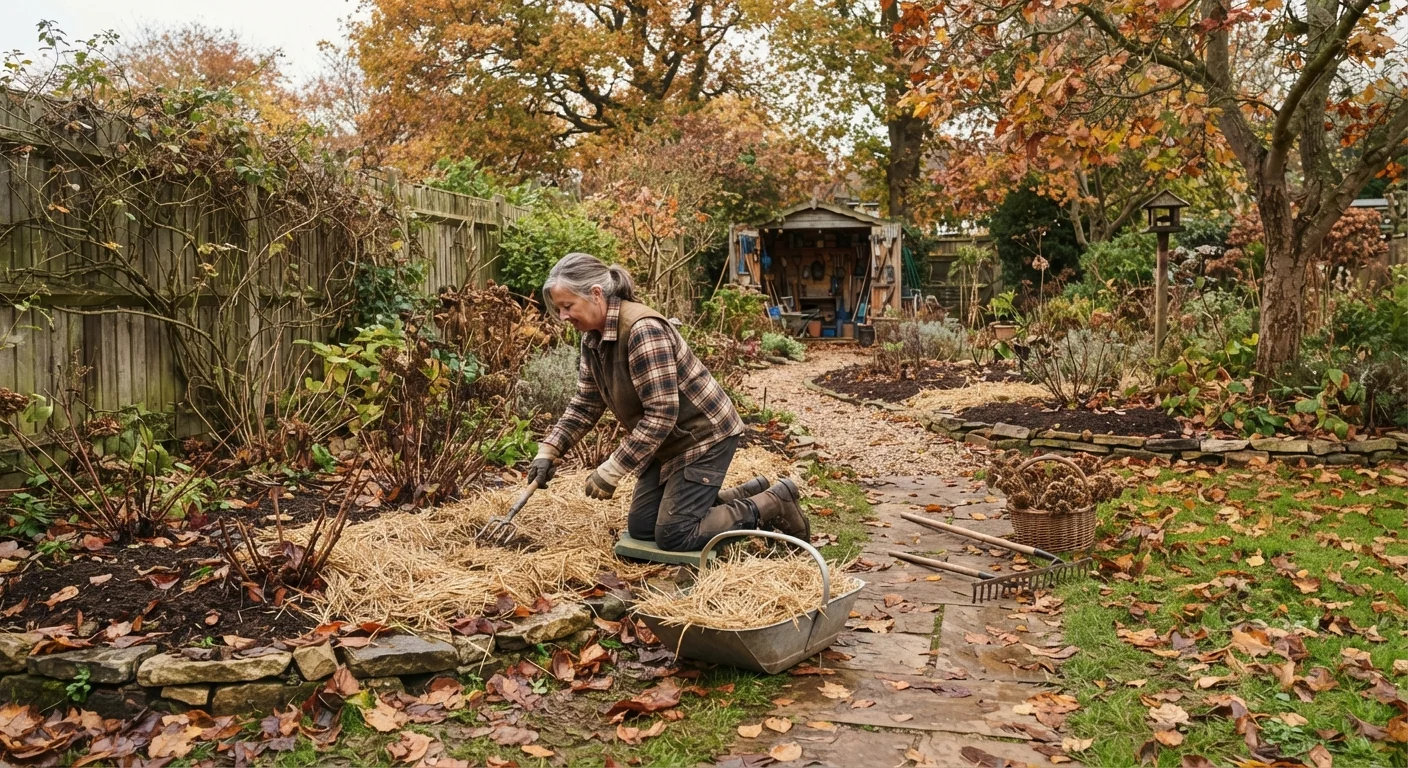
Preparing Your Garden Before the First Frost

Photo: ResultsExplorer.com | Top Blogs For Everyone editorial

A seasonal checklist covering soil protection, plant storage, tool care, and mulching tasks to complete before cold weather sets in.

Key Takeaways

  • Mulching soil before frost preserves moisture and insulates plant roots through winter.
  • Tender perennials and bulbs need to be dug up and stored before temperatures drop hard.
  • Clean, dry garden tools stored properly resist rust and last significantly longer.
  • Draining and storing hoses and irrigation lines prevents costly freeze damage.
  • A pre-frost garden cleanup reduces pest and disease pressure the following spring.

Why a Pre-Frost Garden Checklist Matters

The window between the last warm days and the first hard freeze is narrow — and what you do in that window shapes how well your garden recovers the following spring. Skipping pre-frost prep can mean frozen pipes, rotted bulbs, rusted tools, and compacted soil that drains poorly come March.

This checklist walks you through every task worth completing before cold weather sets in: protecting soil structure, overwintering tender plants, closing out your irrigation system, and storing equipment so it's ready when you need it again. Whether your garden is a small urban plot or a sprawling backyard, the steps below scale to fit. For a broader view of seasonal home upkeep, the Seasonal Home Maintenance Annual Planner covers what else needs attention around the same time of year.

Soil and Bed Preparation

Remove spent annuals and dead plant material from all beds to limit overwintering pests and fungal disease. Must
Turn compost or aged organic matter into vegetable beds to replenish nutrients before the ground freezes. Should
Apply 2–4 inches of mulch (straw, shredded leaves, or wood chips) over perennial beds to insulate roots and regulate soil temperature. Must
Avoid leaving bare soil exposed — cover empty beds with mulch or a cover crop to prevent erosion and compaction over winter. Should

Plant Protection and Storage

Dig up tender bulbs (dahlias, cannas, gladioli) after the foliage dies back but before the ground freezes hard; brush off soil and store in a cool, dry location. Must
Move potted tender plants and tropical specimens indoors or into an unheated garage before nighttime temperatures consistently drop below freezing. Must
Cut back perennials that are prone to disease or pest damage at the crown; leave ornamental grasses and seed-bearing plants that provide winter wildlife habitat. Should
Wrap marginally hardy shrubs or young trees in burlap if they are exposed to drying winter winds. Nice to have
Apply an anti-desiccant spray to broadleaf evergreens (such as holly and rhododendron) in regions with harsh winters to reduce moisture loss. Nice to have

Irrigation and Water Features

Drain all garden hoses completely and store them coiled in a shed or garage — water left inside can expand and crack the hose. Must
Shut off exterior faucets and drain the lines from inside to prevent pipes from freezing and bursting. Must
Blow out or drain drip irrigation and sprinkler lines according to the manufacturer's instructions, or hire an irrigation professional if the system is complex. Must
Drain and store bird baths; freeze-thaw cycles can crack ceramic and concrete basins. Should

Tool Care and Equipment Storage

Clean all hand tools by removing soil and plant residue, then wipe metal surfaces with an oiled rag to prevent rust. Must
Sharpen pruners, loppers, and spades before storing — clean, sharp tools are safer and perform better in spring. Should
Empty and clean any gas-powered equipment fuel tanks, or add a fuel stabilizer, to prevent gumming over winter. Must
Inspect tool handles for cracks or splinters and apply linseed oil to wooden handles to prevent drying. Nice to have
Store all tools in a dry, sheltered location off the ground to reduce moisture contact. Should

Final Walkthrough

Walk the entire garden and note any areas that need attention in spring — photograph problem spots so you don't forget them. Should
Order or set aside seeds and bulbs for spring planting while variety selection is fresh in your mind. Nice to have
Check that all gates, trellises, and structures are secure and won't be damaged by snow accumulation or winter winds. Should

Tools and Materials You'll Need

Before you start working through the checklist, gather your supplies. Having everything on hand prevents unnecessary trips and keeps the work moving efficiently.

Required

Garden fork or spade

Used to dig up tender bulbs and turn compost into garden beds before the ground hardens.

Required

Pruning shears and loppers

Needed for cutting back perennials and removing dead or diseased plant material from beds.

Required

Wheelbarrow or garden cart

Makes hauling mulch, compost, and garden debris much more efficient across larger beds.

Required

Mulch (straw, shredded leaves, or wood chips)

Applied 2–4 inches deep over beds to insulate soil and plant roots through freeze-thaw cycles.

Required

Linseed or tool oil

Applied to metal and wooden tool surfaces to prevent rust and drying during storage.

Optional

Burlap fabric

Wrapped around marginally hardy shrubs to protect them from desiccating winter winds.

Optional

Fuel stabilizer

Added to gas-powered equipment fuel tanks to prevent fuel degradation over a long storage period.

A Few Things to Watch Out For

Pre-frost garden prep is generally safe and straightforward, but there are a handful of common mistakes worth knowing before you begin.

Don't Mulch Too Early or Too Deeply

Mulching while soil is still warm can trap heat and encourage late-season growth that's vulnerable to frost damage. Wait until after the first light frost and the ground begins to cool before applying a full mulch layer. Also avoid piling mulch directly against plant crowns or tree trunks — this creates ideal conditions for rot and rodent nesting.

Gas Equipment Needs Attention Before Storage

Leaving untreated gasoline in a lawn mower, leaf blower, or other small engine over winter is one of the most common causes of hard-starting equipment in spring. Old fuel breaks down and can gum up carburetors. Either drain the tank completely or use a fuel stabilizer formulated for small engines — check your equipment manual for the recommended approach.

One issue that catches gardeners off guard is handling tender bulbs and perennials too roughly during storage. If you've had trouble with plants failing to return in spring, root stress at transplant or storage stage is often a contributing factor — the same principles that govern why seedlings die after transplanting apply when digging up and storing dormant roots.

Also consider that your garden doesn't exist in isolation. Your broader outdoor space benefits from coordinated seasonal planning — see our guide to designing an outdoor space you'll actually use year-round for ideas on structuring the space to handle seasonal transitions more gracefully. And don't forget: if you're doing a full seasonal sweep, home weatherproofing tasks should run alongside your garden prep.

Home & Garden Editorial Team

ResultsExplorer.com | Top Blogs For Everyone

Home & Garden Editorial Team is the collective byline for our editorial team and contributor network. Articles published under this byline or an editorial pen name are researched, written, and reviewed according to our editorial standards for clarity, consistency, and independence before publication.

Home MaintenanceGarden & OutdoorsHome Improvement
View author profile

The content provided on our blog site traverses numerous categories, offering readers valuable and practical information. Readers can use the editorial team’s research and data to gain more insights into their topics of interest. However, they are requested not to treat the articles as conclusive. The website team cannot be held responsible for differences in data or inaccuracies found across other platforms. Please also note that the site might also miss out on various schemes and offers available that the readers may find more beneficial than the ones we cover.