
Why Seedlings Die After Transplanting - and How to Prevent It

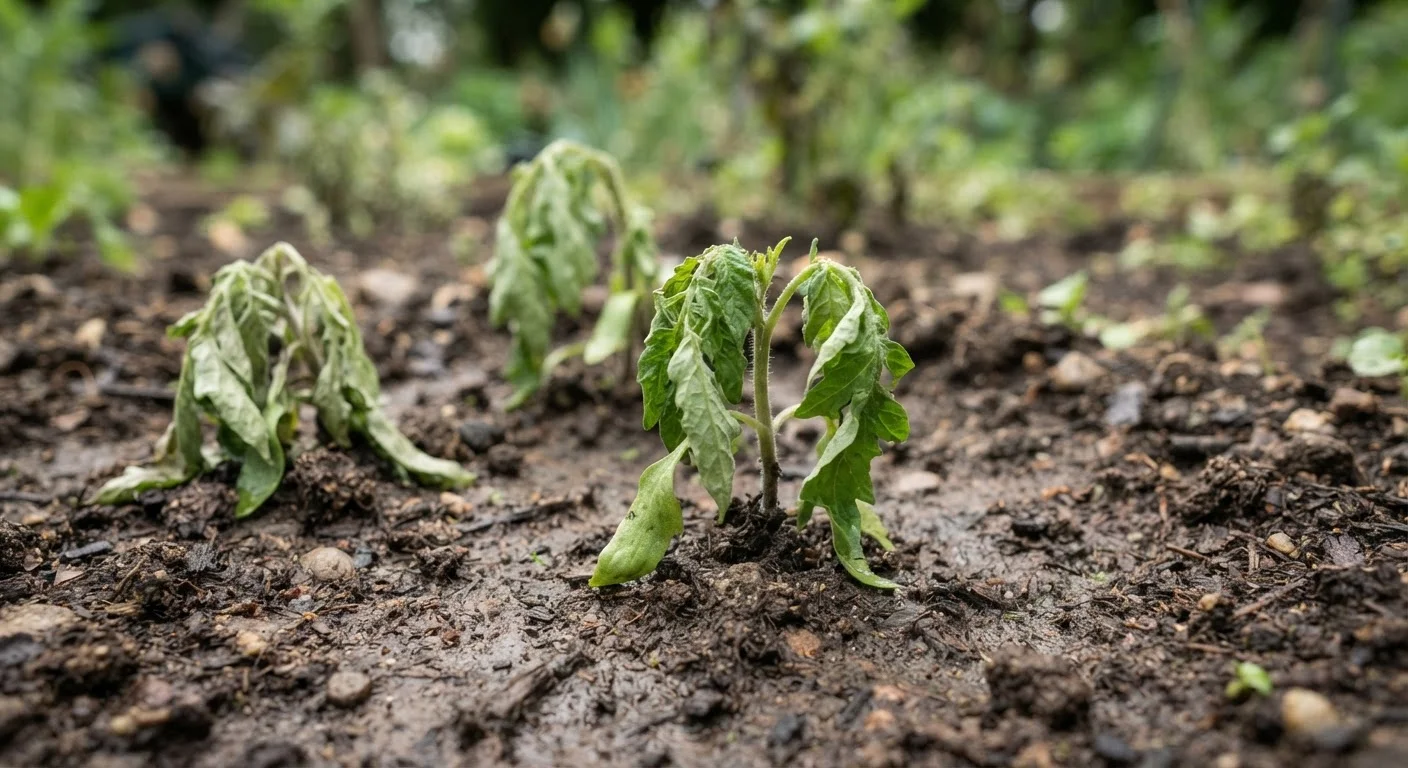
Photo: ResultsExplorer.com | Top Blogs For Everyone editorial
Key Takeaways
- Transplant shock occurs when roots, water balance, or light conditions change too abruptly during the move.
- Hardening off seedlings gradually before transplanting is one of the most effective prevention steps.
- Timing, watering technique, and soil preparation each play a significant role in seedling survival.
- Most transplant failures trace back to a small number of avoidable mistakes made before or during planting.
What Transplant Shock Actually Is
When a seedling moves from a tray or indoor environment into outdoor soil, it experiences a sudden change in nearly every growing condition - light intensity, temperature fluctuations, wind exposure, and root confinement all shift at once. The plant's root system, which has grown accustomed to a controlled environment, must rapidly adapt to establish itself in new ground while continuing to supply the leaves with water and nutrients. This stress response is what gardeners call transplant shock.
Symptoms typically appear within one to three days of transplanting: wilting even when soil is moist, yellowing or browning leaf edges, sudden leaf drop, or stunted growth that lingers for weeks. In severe cases, the seedling dies entirely. Understanding that transplant shock is a physiological stress - not a disease - helps you address the real causes rather than reaching for fertilizer or pesticides that won't help.
If you're building a garden from scratch, our guide to starting a vegetable garden from nothing covers the foundational steps that set seedlings up for success before transplanting even begins.
Common Mistakes That Kill Seedlings After Transplanting
Most transplant failures share the same root causes. Recognizing these errors - and understanding why they happen - puts you in a much stronger position to prevent them.
Skipping the hardening-off process and moving seedlings directly from indoors to the garden.
Transplanting during the hottest part of the day in direct sunlight.
Watering inconsistently - either overwatering to compensate for visible wilting, or underwatering because the soil surface looks damp.
Leaving roots exposed to air for too long between removal from the container and planting in the ground.
Planting into soil that hasn't been adequately prepared or loosened.
Don't Fertilize Stressed Seedlings Right Away
Practical Steps to Improve Survival Rates
Once you understand the mistakes, the corrective steps follow logically. A few consistent habits make a significant difference in how well seedlings establish.
7-10 days
Recommended hardening-off period for seedlings
Most cooperative extension programs recommend a gradual acclimatization period of at least one week before transplanting seedlings grown indoors.
~1 inch
Soil depth to check moisture before watering
Checking soil moisture one to two inches below the surface gives a more accurate read on root-zone hydration than judging by surface appearance alone.
- Harden off for 7-10 days: Set seedlings outdoors in a sheltered spot for increasing periods each day before transplanting. Start with one to two hours in indirect light, gradually moving to full exposure.
- Transplant in the evening or on overcast days: Cooler temperatures and reduced light intensity lower the water demand on stressed roots immediately after planting.
- Water in thoroughly at planting: Settle the soil around the roots with a slow, deep watering to eliminate air pockets. Follow with consistent moisture - not saturation - for the first week.
- Disturb roots as little as possible: Handle seedlings by the root ball or the seed leaves, not the stem. If roots are circling the container, gently tease them apart rather than leaving them bound.
- Match the planting depth: Most seedlings should be planted at the same depth they grew in their containers. Planting too deep can rot stems; too shallow leaves roots exposed.
Soil preparation also matters. Transplanting into compacted or nutrient-depleted ground puts seedlings at a disadvantage from day one. For a detailed comparison of growing environments that affect soil quality and drainage, see our article on raised beds vs. in-ground planting.
Finally, if you're transplanting in autumn, be aware of how quickly conditions change. Our guide to preparing your garden before the first frost outlines the timing considerations that affect late-season transplants.
The content provided on our blog site traverses numerous categories, offering readers valuable and practical information. Readers can use the editorial team’s research and data to gain more insights into their topics of interest. However, they are requested not to treat the articles as conclusive. The website team cannot be held responsible for differences in data or inaccuracies found across other platforms. Please also note that the site might also miss out on various schemes and offers available that the readers may find more beneficial than the ones we cover.