
Starting a Vegetable Garden from Nothing

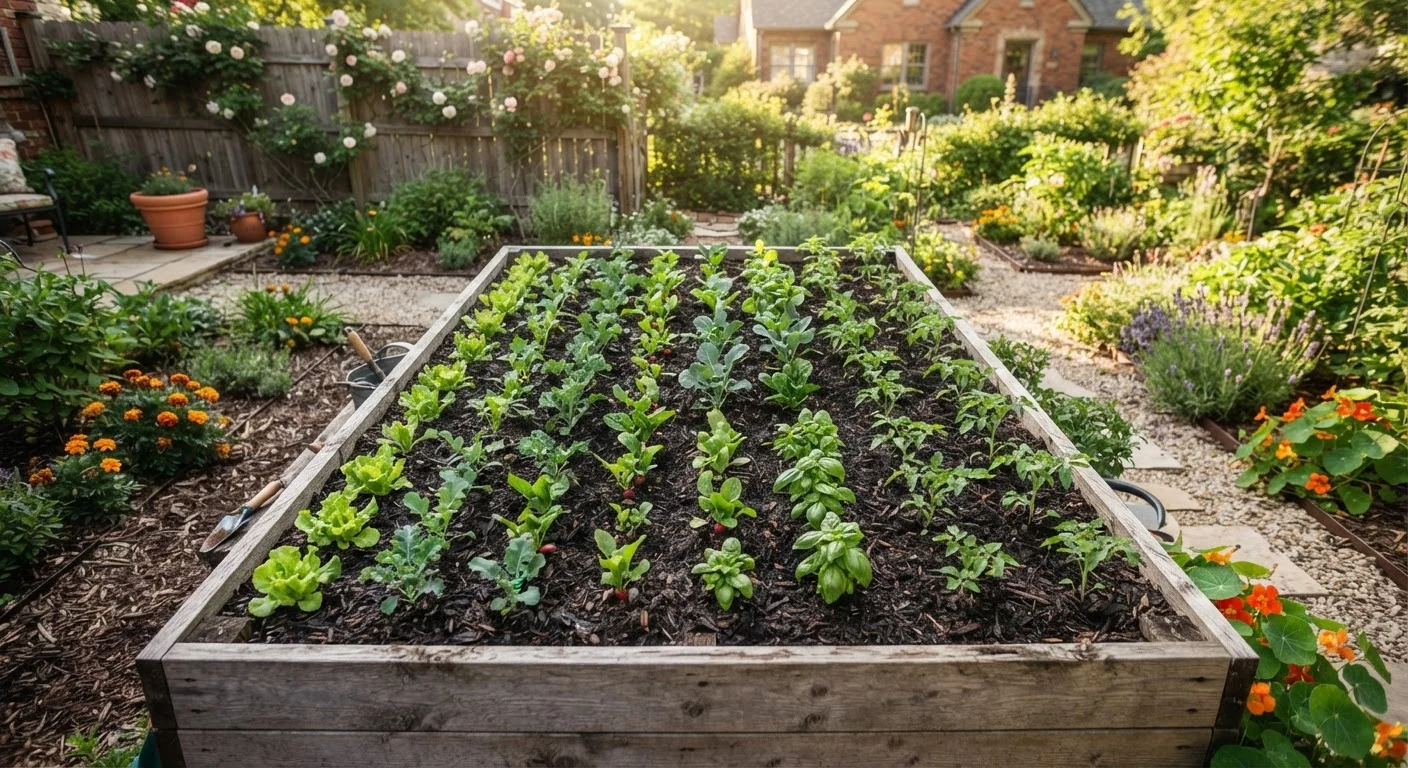
Photo: ResultsExplorer.com | Top Blogs For Everyone editorial
Key Takeaways
- Most vegetables need at least six hours of direct sunlight per day to thrive.
- Healthy, well-draining soil is the single most important factor in a successful first garden.
- Starting with easy crops like lettuce, radishes, and bush beans builds confidence quickly.
- Consistent, deep watering encourages strong root systems rather than shallow surface growth.
- A small, well-maintained garden almost always outperforms a large, neglected one.
Choosing the Right Spot
Before you buy a single seed packet, spend a few days observing your yard. The single biggest factor in vegetable garden success is sunlight - most fruiting and root vegetables need a minimum of six hours of direct sun each day, and eight hours is better. Track which parts of your yard receive the most uninterrupted light from late morning through mid-afternoon.
Beyond sun, think about access to water. A spot that's inconveniently far from a hose makes regular watering feel like a chore, and gardens that are easy to reach get more attention. Also note natural drainage: low spots that collect standing water after rain will drown shallow-rooted crops and encourage disease.
If your yard is mostly shaded or space is genuinely limited, growing herbs in containers can be a productive alternative while you plan a longer-term solution. For those weighing whether to build raised beds or work with the ground they have, our guide on raised beds vs. in-ground planting covers the trade-offs in detail.
Hardiness Zone
A geographic system (such as the USDA Plant Hardiness Zone Map) that helps gardeners understand which plants are likely to survive winter conditions in their area. It guides planting timing and crop selection.
Direct sowing
Planting seeds directly into the outdoor garden bed rather than starting them inside and transplanting later. Some crops grow best this way and dislike having their roots disturbed.
Soil amendment
Any material - such as compost, perlite, or lime - mixed into existing soil to improve its texture, drainage, fertility, or pH balance.
Hardening off
The process of gradually exposing indoor-grown seedlings to outdoor conditions over 7-10 days so they can adjust to wind, temperature swings, and direct sun before being permanently transplanted.
pH (soil)
A scale measuring how acidic or alkaline your soil is, ranging from 0 to 14. Most vegetables perform best in a slightly acidic to neutral range of 6.0-7.0, where nutrients are most available to plant roots.
Mulch
A layer of material - straw, shredded leaves, or wood chips - spread on top of soil around plants to retain moisture, suppress weeds, and regulate soil temperature.
Understanding and Preparing Your Soil
Good soil is loose, rich in organic matter, drains well, and smells faintly earthy. Poor soil - compacted, sandy, or heavily clay-based - can be improved, but it takes work. Start by digging down about 12 inches: if your shovel barely penetrates, or if water sits on the surface after rain, you'll need to amend before planting.
Adding a 3- to 4-inch layer of finished compost and working it into the top 10-12 inches dramatically improves structure and fertility in most soils. Compost introduces beneficial microorganisms, improves drainage in clay, and helps sandy soil retain moisture. If you'd like to start producing your own, our guide on composting at home without the smell or mess walks through the process cleanly.
Soil pH - a measure of acidity or alkalinity - also affects how well plants absorb nutrients. Most vegetables prefer a pH between 6.0 and 7.0. Inexpensive test kits are available at garden centers, or you can send a sample to your local cooperative extension service for a more detailed reading. For a full explanation of how pH affects your crops, see soil pH and why your plants may be struggling.
Deciding What to Grow First
Resist the temptation to plant everything at once. A focused first garden teaches you far more than an ambitious one that becomes unmanageable. Choose three to five crops that your household actually eats, and pick varieties known for being forgiving.
- Lettuce and salad greens: Fast-growing (30-45 days), tolerant of partial shade, and can be harvested repeatedly by cutting outer leaves.
- Radishes: Ready in as little as 25 days - ideal for impatient beginners and for marking rows between slower crops.
- Bush beans: Low-maintenance, fix their own nitrogen, and produce heavily over several weeks without staking.
- Zucchini: Grows vigorously and rewards minimal effort with abundant harvests. One or two plants is genuinely enough.
- Cherry tomatoes: More forgiving than large-fruited types; they set fruit reliably even in variable conditions.
Start seeds indoors only if you have a bright window or grow lights and a reliable indoor temperature above 65°F. Otherwise, direct sowing or purchasing transplants from a nursery is simpler and less prone to failure for a first-year gardener.
Start Small and Grow Deliberately
Planting, Watering, and Early Care
Follow spacing guidelines on seed packets carefully - crowded plants compete for light, water, and nutrients, which invites disease and reduces yields. Transplanting seedlings you've started or bought requires particular care; transplant shock is a common cause of early seedling failure, and understanding how to harden off transplants before planting will significantly improve survival rates.
Water newly planted seeds and transplants gently but thoroughly. Once established, water deeply once or twice a week rather than lightly every day. Deep watering trains roots downward, making plants more resilient in dry spells. A 2-3 inch layer of straw or shredded leaf mulch around plants helps retain moisture, suppress weeds, and moderate soil temperature. For a comparison of watering approaches, see garden watering methods compared.
Check your garden every few days for signs of pest damage, wilting, or yellowing leaves. Catching problems early is far easier than addressing them after they've spread. Remove weeds before they flower and set seed - once established, they compete directly with your crops.
Harvesting and What Comes Next
Harvest regularly and at the right stage of maturity - this isn't just about flavor, it's about keeping plants productive. Many crops, including beans, zucchini, and leafy greens, produce more abundantly the more frequently you harvest. Leaving oversized fruit on the plant signals it to slow or stop producing.
After the season winds down, don't abandon your plot. Clearing spent plants, adding compost, and mulching the bed protects soil structure over winter. Our seasonal guide on preparing your garden before the first frost outlines exactly what to do to set yourself up for a stronger second year.
If you want to extend your outdoor gardening ambitions beyond the vegetable patch, designing an outdoor space you'll actually use year-round offers practical ideas for integrating a productive garden into a well-used outdoor living area.
Your first garden doesn't have to be perfect - it just has to teach you something. Most experienced gardeners will tell you that the lessons from a first season are worth far more than any single harvest.
Frequently Asked Questions
The content provided on our blog site traverses numerous categories, offering readers valuable and practical information. Readers can use the editorial team’s research and data to gain more insights into their topics of interest. However, they are requested not to treat the articles as conclusive. The website team cannot be held responsible for differences in data or inaccuracies found across other platforms. Please also note that the site might also miss out on various schemes and offers available that the readers may find more beneficial than the ones we cover.