
Growing Herbs in Small Spaces

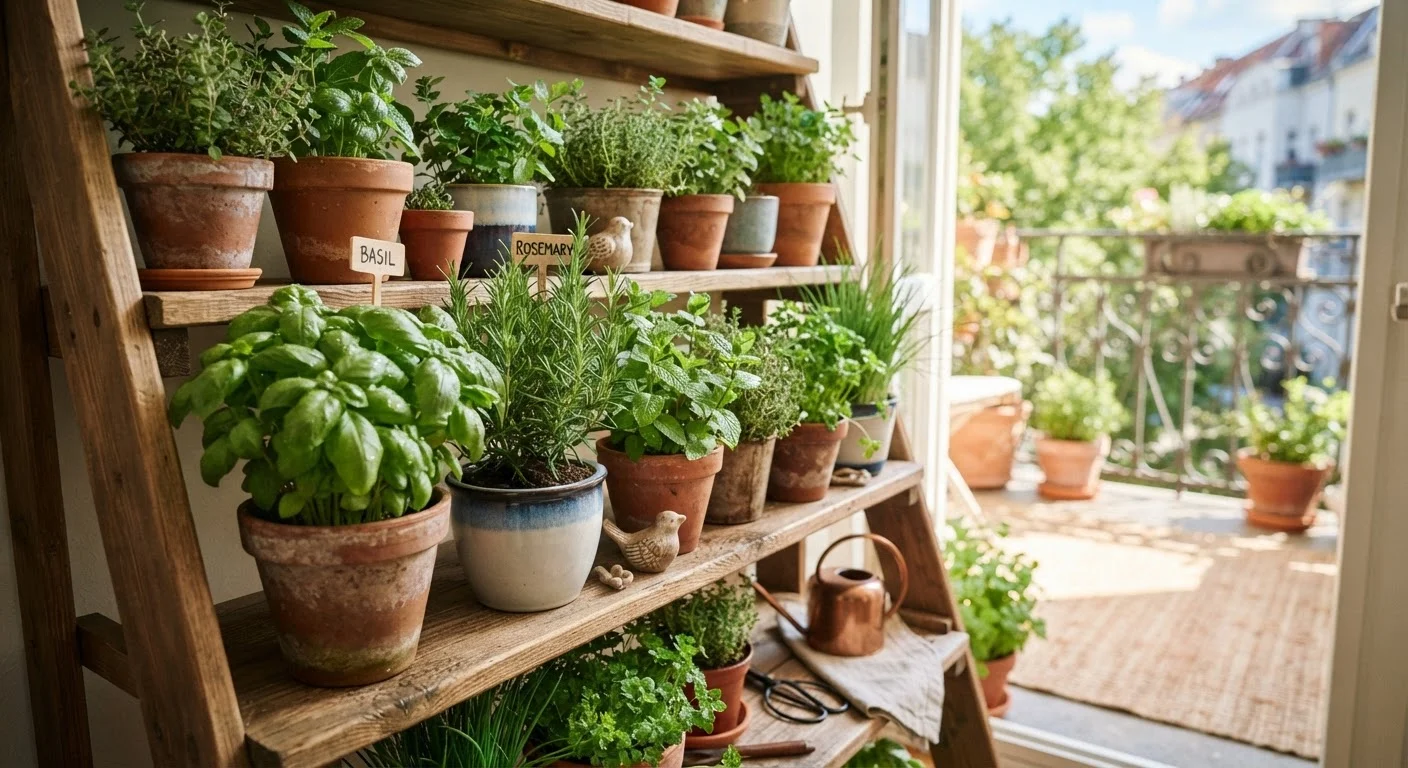
Photo: ResultsExplorer.com | Top Blogs For Everyone editorial
Key Takeaways
- Most culinary herbs need at least 6 hours of direct sunlight daily to grow productively.
- Container size, drainage holes, and potting mix quality are the most critical setup decisions.
- Grouping herbs with similar water and light needs reduces maintenance and prevents problems.
- Mint should always be grown in its own container to prevent it from overtaking other plants.
- Regular harvesting encourages bushier, more productive growth rather than reducing your supply.
Why Small Spaces Work Well for Herb Growing
Limited square footage is rarely the real obstacle to growing herbs - inadequate light, poor drainage, and mismatched plant combinations are far more common culprits. Balconies, windowsills, and compact patios can all support a genuinely productive herb garden when set up with the right approach.
Container growing actually offers several advantages over in-ground planting: you control the soil quality completely, you can move pots to follow the sun, and you sidestep the soil compaction and drainage issues that ground-level beds often face. If you're curious how container approaches compare to other methods, our guide to raised beds vs. in-ground planting explores the tradeoffs in detail.
The key principle: match your plant selection and container choices to your specific conditions - especially available light - before buying a single pot.
What you will need
Choosing the Right Containers and Potting Mix
Container choice affects drainage, root health, and how often you'll need to water. A few practical guidelines:
- Size matters: Herbs with shallow roots (chives, cilantro, thyme) do fine in containers 6-8 inches deep. Larger herbs like rosemary, dill, or fennel need at least 12 inches of depth to develop properly.
- Drainage is non-negotiable: Every container must have drainage holes. Waterlogged roots are the leading cause of herb failure in containers.
- Material considerations: Terracotta dries out faster than plastic or glazed ceramic - useful for Mediterranean herbs like rosemary and thyme that prefer drier conditions, but it means more frequent watering for moisture-loving herbs.
Use a high-quality potting mix - not garden soil, which compacts in containers and restricts drainage. A mix formulated for containers, possibly with added perlite for extra drainage, gives most herbs the loose, well-aerated root environment they need.
Repot When Roots Fill the Container
Light Requirements and Plant Placement
Light is the single most important factor in herb success. Most culinary herbs - basil, rosemary, thyme, oregano, sage, chives - need a minimum of 6 hours of direct sunlight per day. A south- or west-facing balcony or windowsill typically meets this threshold.
If your space gets only 3-5 hours of direct light, you're in partial shade territory. Shade-tolerant herbs like mint, parsley, cilantro, and chervil are better suited here, though they'll still grow more slowly than in full sun.
Observe your space across the day before committing to a planting plan. Reflected light from walls and railings can supplement direct sun in some urban settings, while overhangs or neighboring structures can create unexpected shade pockets.
Which Herbs Grow Well Together
Grouping herbs by their water and light needs is the practical starting point for companion planting in containers. Placing a drought-tolerant rosemary in the same pot as water-hungry basil creates an impossible compromise - one plant will always be stressed.
Mediterranean group (low water, full sun): rosemary, thyme, oregano, sage, and marjoram share similar preferences and grow well together.
Moisture-tolerant group (moderate water, partial to full sun): basil, parsley, chives, and cilantro can share containers, though cilantro bolts quickly in heat and may need its own pot in summer.
Mint: always solo. Mint spreads aggressively through underground runners and will overwhelm any companion plant. Grow it in its own container - this also makes harvesting and control much easier. For a broader look at what plant partnerships actually deliver, see our article on what companion planting actually does.
A well-designed container herb setup can also integrate naturally into a broader outdoor space. Our guide to designing an outdoor space you'll actually use year-round covers how to incorporate planting zones into a functional patio or balcony layout.
The content provided on our blog site traverses numerous categories, offering readers valuable and practical information. Readers can use the editorial team’s research and data to gain more insights into their topics of interest. However, they are requested not to treat the articles as conclusive. The website team cannot be held responsible for differences in data or inaccuracies found across other platforms. Please also note that the site might also miss out on various schemes and offers available that the readers may find more beneficial than the ones we cover.