
Raised Beds vs. In-Ground Planting: Which Works Better for You?

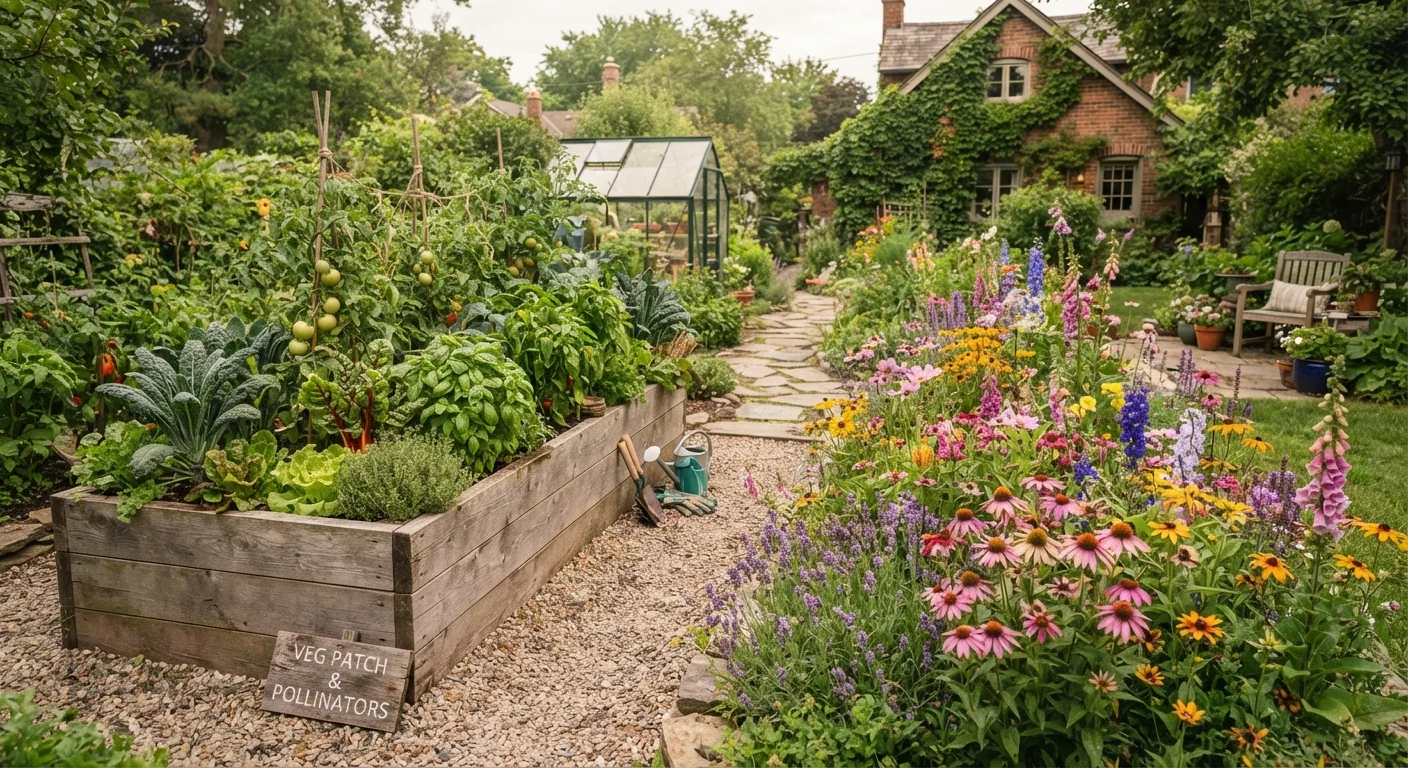
Photo: ResultsExplorer.com | Top Blogs For Everyone editorial
Key Takeaways
- Raised beds offer superior drainage and soil control but require meaningful upfront cost and effort to build.
- In-ground planting suits larger growing areas and costs far less to establish.
- Soil quality is the single biggest factor in deciding which method will serve your garden best.
- Raised beds can extend the growing season slightly due to faster soil warming in spring.
- In-ground beds support deeper-rooted plants and perennials more naturally over the long term.
- Neither method is universally superior - your site conditions, budget, and plants determine the right fit.
The Core Difference: Control vs. Scale
Raised beds and in-ground planting aren't competing philosophies - they're tools with different strengths. Understanding what each one actually does differently helps you match the method to your specific situation rather than following a trend.
A raised bed is a contained growing space, typically framed in wood, stone, or metal, filled with imported or amended soil that sits above the native ground. In-ground planting means working directly with the existing earth, improving it over time with compost and amendments. The fundamental trade-off is control versus scale: raised beds give you precise command over soil composition and drainage, while in-ground planting lets you cover larger areas at a fraction of the cost.
If you're designing a productive garden from scratch, it's worth reading our guide on designing an outdoor space you'll actually use year-round before committing to either method.
| Criterion | Raised Beds | In-Ground Planting |
|---|---|---|
| Upfront cost | Moderate to high (materials + soil) | Low (compost and tools) |
| Soil control | Full - custom mix possible | Partial - amendment takes seasons |
| Drainage | Excellent, independent of native soil | Depends on native soil type |
| Weed pressure | Lower at edges, moderate overall | Higher, especially near lawn |
| Spring soil warm-up | Earlier - 1-2 weeks faster | Slower in heavy or dense soils |
| Scalability | Limited by cost and space | Easy to expand at low cost |
| Root depth | Restricted by bed depth | Unlimited natural depth |
| Accessibility | High - adjustable working height | Requires bending and kneeling |
Soil Quality and Amendment
Soil is where this decision often gets made. In-ground gardening starts with whatever your yard already has - and for many homeowners, that's compacted subsoil, heavy clay, or nutrient-poor fill left behind after construction. Improving it takes consistent effort: adding compost, managing drainage, and waiting seasons for structure to develop. If you suspect your in-ground soil has pH imbalances affecting plant health, our article on soil pH and why your plants are struggling walks through testing and correction.
Raised beds sidestep native soil problems entirely. You fill them with a custom blend - typically a mix of topsoil, compost, and an aerating material like perlite - tuned to what you're growing. This is particularly valuable in urban areas where soil contamination (lead, heavy metals) makes in-ground edible gardening risky without testing. The downside is that imported soil in a confined frame can dry out faster and may need more frequent topdressing with compost each season.
6-12 inches
Typical raised bed depth for vegetables
Most vegetable crops require at least 6 inches of loose soil; root vegetables like carrots benefit from 12 or more inches.
1-2 weeks
Earlier spring planting window in raised beds
Because raised bed soil warms faster than in-ground soil, gardeners in cooler climates can often plant earlier in the season.
3-5 years
Typical lifespan of untreated timber raised beds
Wooden raised bed frames made from untreated lumber generally last 3-5 years; rot-resistant woods or composite materials last considerably longer.
Drainage, Watering, and Season Length
Raised beds drain more freely than most in-ground plots, which protects roots during wet spells but also means they dry out faster in summer heat. Gardeners in rainy climates often find this a significant advantage; those in arid regions may need to water more frequently. Pairing your planting method with the right watering system makes a real difference - see our comparison of garden watering methods for guidance on drip irrigation, sprinklers, and hand watering.
One underappreciated benefit of raised beds is their ability to warm up earlier in spring. Because the soil volume is smaller and more exposed to air, it reaches workable temperatures a week or two before in-ground beds at the same location. For gardeners in cooler climates, this can meaningfully extend the growing window for warm-season crops like tomatoes and peppers.
Cost, Effort, and Long-Term Commitment
In-ground planting is significantly cheaper to start. You need little more than a spade, compost, and seeds. Raised beds carry upfront costs for materials - lumber, hardware cloth for lining, and enough quality soil to fill the frame - that can add up quickly, especially for multiple beds or larger sizes.
That said, raised beds can reduce some ongoing effort. Defined borders discourage weed encroachment from surrounding lawn, and the loose, well-structured soil makes weeding faster when it does arise. In-ground beds in grass-surrounded plots often require more vigilance against weeds creeping in from edges. If reducing long-term garden maintenance is a priority, our article on low-maintenance landscaping approaches outlines complementary strategies worth considering.
For planting choices that compound your results over time regardless of method, understanding the balance between perennials and annuals can help you plan a garden with less replanting effort each year.
The content provided on our blog site traverses numerous categories, offering readers valuable and practical information. Readers can use the editorial team’s research and data to gain more insights into their topics of interest. However, they are requested not to treat the articles as conclusive. The website team cannot be held responsible for differences in data or inaccuracies found across other platforms. Please also note that the site might also miss out on various schemes and offers available that the readers may find more beneficial than the ones we cover.