
Perennials vs. Annuals: Planning a Garden That Balances Both

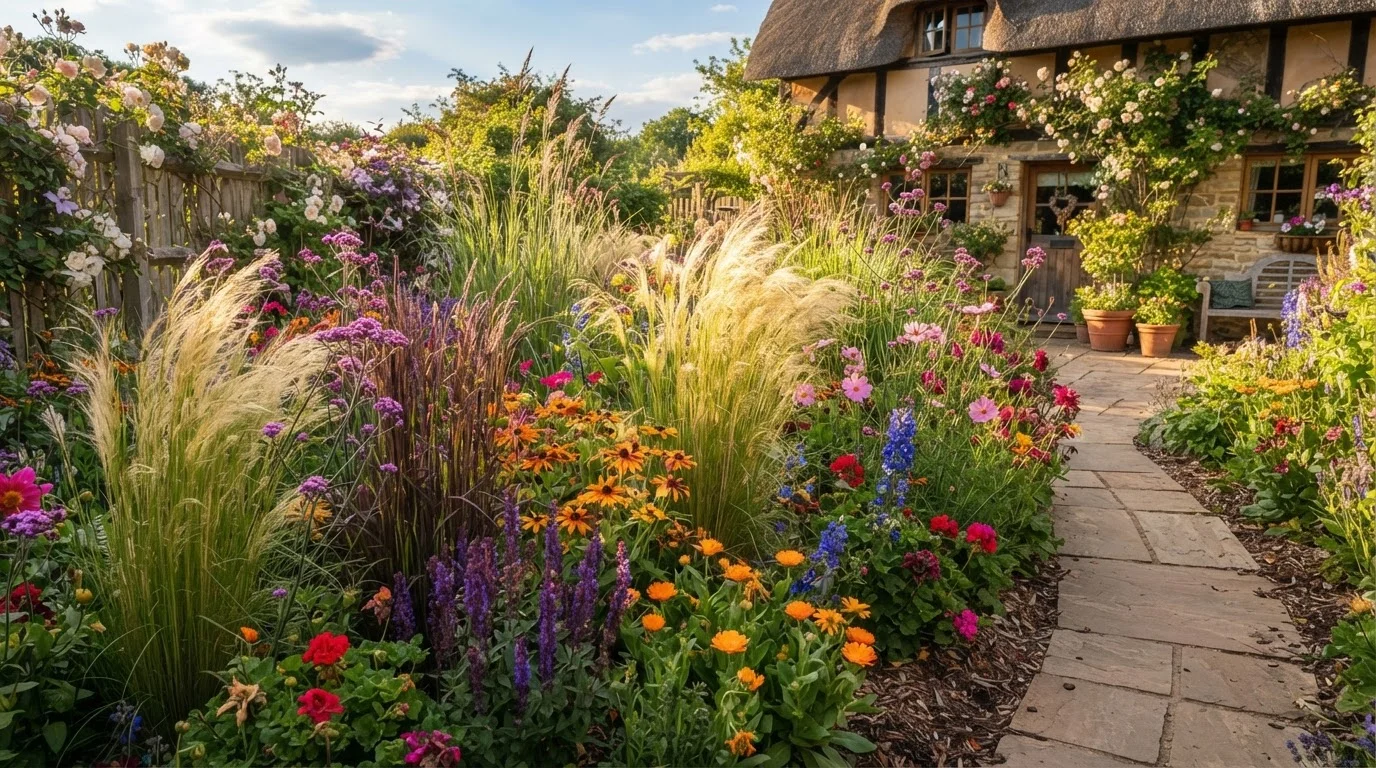
Photo: ResultsExplorer.com | Top Blogs For Everyone editorial
Key Takeaways
- Perennials return each year from established roots, reducing replanting effort over time.
- Annuals provide longer, more intense bursts of colour through a single growing season.
- Combining both types gives your garden reliable structure plus flexible seasonal variety.
- Perennials generally have lower long-term cost; annuals involve recurring purchase and planting.
- A balanced planting strategy accounts for bloom timing so colour gaps are minimised.
What Makes a Plant Annual or Perennial?
The distinction comes down to lifespan. Annuals germinate, grow, bloom, produce seed, and die all within one growing season. The plant puts enormous energy into flowering quickly and setting as much seed as possible - which is exactly why annuals like marigolds, zinnias, and petunias deliver such vivid, prolonged colour. Once the season ends, they are gone and the bed is bare.
Perennials take a longer view. In their first year they often focus on root development over showiness. By year two and beyond, an established perennial returns each spring from the same root system, often spreading gradually and requiring less intervention than annuals. Familiar examples include coneflowers, hostas, ornamental grasses, and daylilies.
There is also a middle category worth knowing: biennials, which complete their life cycle over two growing seasons, producing foliage in year one and blooming in year two before dying. Foxglove and hollyhock are classic biennials, though they often self-seed so reliably that they appear to be perennials in the garden.
Hardiness Zone Affects the Label
The Honest Trade-Offs of Each Approach
Neither plant type is objectively superior - each has real advantages and genuine drawbacks depending on your goals, budget, and how much time you want to spend gardening.
Annuals: Strengths and Limitations
- Strengths: Extended bloom season (often spring to frost), enormous colour variety, flexibility to change your garden's look each year, and good tolerance for container growing.
- Limitations: Must be purchased and replanted every season, which adds recurring cost and labour. They offer no winter interest and leave beds empty once the season ends.
Perennials: Strengths and Limitations
- Strengths: Return year after year with little replanting effort, often expand over time (free plants via division), and provide consistent garden structure. Many also support local pollinators through multiple seasons.
- Limitations: Bloom windows are shorter - usually a few weeks per plant. The garden can look sparse if perennials aren't chosen to stagger bloom times. Establishment takes patience.
For a deeper look at how plant choices fit into a broader low-effort outdoor strategy, see low-maintenance landscaping approaches that reduce ongoing upkeep without sacrificing visual appeal.
3-5 years
Time for perennials to reach full mature spread
Most perennial plants take several seasons to establish fully and begin reliably spreading or self-seeding in the garden.
6-8 weeks
Typical bloom window for a single perennial
Unlike many annuals that flower continuously until frost, individual perennial varieties generally bloom for a defined window each season.
30-50%
Potential reduction in replanting effort over time
Gradually shifting from annual-heavy to perennial-heavy planting can meaningfully reduce the yearly labour and cost of maintaining a planted garden bed, though outcomes vary by garden and climate.
Designing a Garden That Uses Both Effectively
The most resilient home gardens treat perennials as the framework and annuals as the fill. Perennials are planted in the mid-to-back positions of a bed where their foliage and form hold the space together even when not in bloom. Annuals go in the foreground or containers, where they can be swapped out seasonally for continuous colour.
Planning for Continuous Bloom
Map your perennials by bloom time - early spring (hellebores, bleeding heart), early summer (salvia, catmint), midsummer (coneflower, black-eyed Susan), and late summer to fall (asters, sedums). Aim for at least one perennial blooming in each window. Annuals like impatiens or marigolds can bridge any remaining gaps.
Thinking About Scale and Spread
Perennials spread and can crowd neighbors over time. When planting, space them generously for their mature size rather than their first-year footprint. This prevents frequent division and keeps the design intentional. For guidance on how planting method affects spacing and soil management, raised beds vs. in-ground planting covers the key differences worth considering.
For a broader framework on making your outdoor space work across seasons, designing an outdoor space you'll actually use year-round offers end-to-end planning guidance.
Divide Perennials to Multiply for Free
Putting It Into Practice
Start by auditing what's already in your garden. Identify any existing perennials, note when they bloom, and look for gaps in the seasonal colour calendar. Then select two or three annuals to fill those windows for the current season - this is low-commitment and easy to adjust.
In subsequent seasons, consider replacing underperforming annuals with new perennials so the permanent planting gradually becomes richer and lower-maintenance over time. This phased approach spreads cost, reduces the overwhelm of a full redesign, and teaches you which plants actually thrive in your specific soil and light conditions before you commit widely.
If your outdoor planning extends beyond the garden bed itself, the case for and against lawn grass is a useful companion read as you think about how planted areas and turf coexist. And when your seasonal outdoor work connects to broader home upkeep, a seasonal home maintenance planner can help you keep everything on schedule.
The goal is a garden that rewards your effort proportionally - one that looks intentional from spring through fall, requires less rebuilding each year, and gives you room to experiment without starting from scratch.
Frequently Asked Questions
The content provided on our blog site traverses numerous categories, offering readers valuable and practical information. Readers can use the editorial team’s research and data to gain more insights into their topics of interest. However, they are requested not to treat the articles as conclusive. The website team cannot be held responsible for differences in data or inaccuracies found across other platforms. Please also note that the site might also miss out on various schemes and offers available that the readers may find more beneficial than the ones we cover.