
Low-Maintenance Landscaping Approaches Worth Knowing About

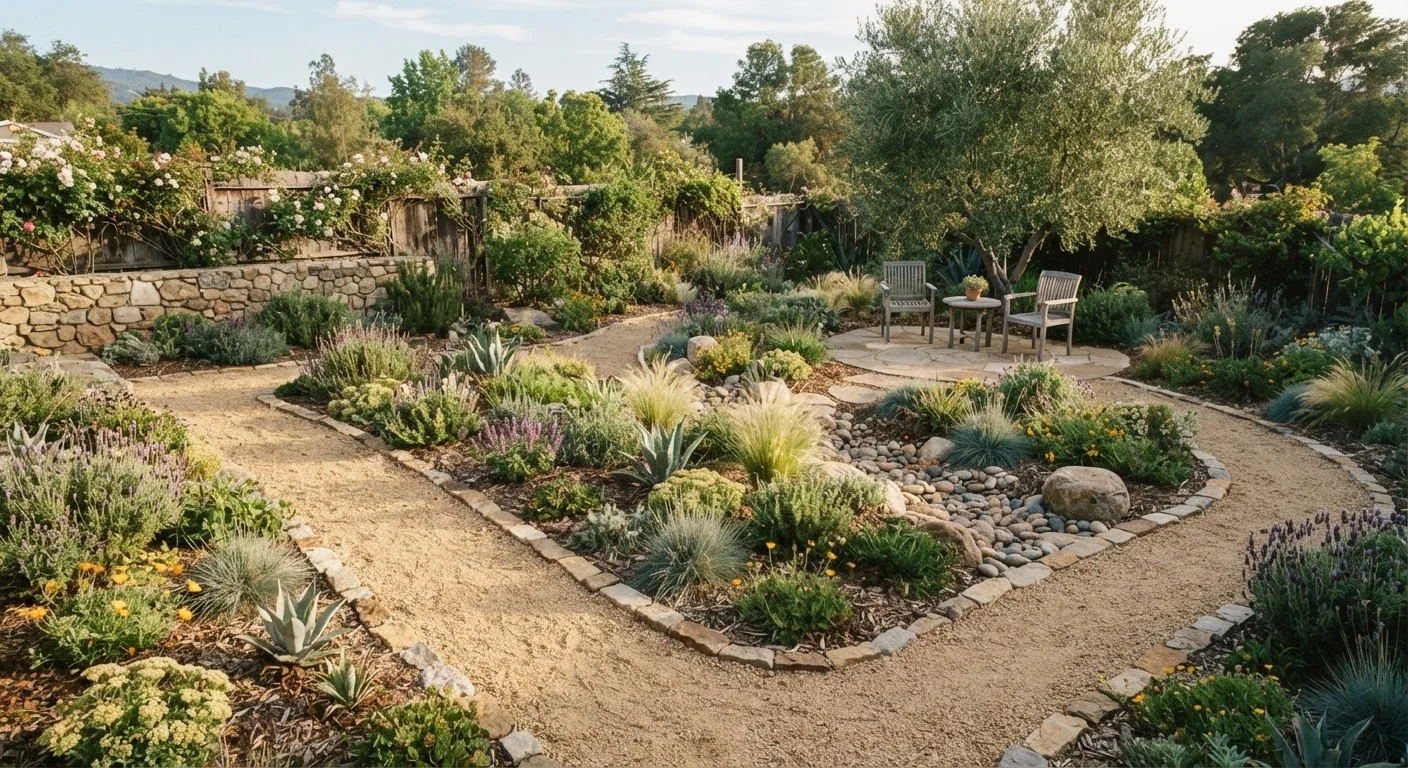
Photo: ResultsExplorer.com | Top Blogs For Everyone editorial
Key Takeaways
- Native and drought-tolerant plants cut watering needs and resist local pests naturally.
- Mulch applied correctly suppresses weeds and retains soil moisture throughout the season.
- Hardscaping elements like gravel paths and patios replace high-maintenance lawn areas permanently.
- Ground covers outperform grass in shaded or sloped areas with far less ongoing effort.
- Drip irrigation systems deliver water precisely where plants need it, reducing waste and labor.
Why Low-Maintenance Landscaping Matters
Keeping a yard looking good shouldn't demand every spare weekend. Yet many homeowners inherit or accidentally create landscapes that require constant mowing, watering, weeding, and trimming just to stay presentable. The good news is that thoughtful planning - not necessarily a big budget - is what separates a high-effort yard from a manageable one.
Low-maintenance landscaping isn't about letting your outdoor space go wild. It's about making deliberate choices upfront so your garden works with nature instead of against it. If you've ever wondered whether traditional lawn grass is really worth the trouble, our balanced look at lawn grass trade-offs explores the honest picture. Below, we've compiled the approaches most worth knowing about - each one supported by practical reasoning, not gardening mythology.
Choose Native and Regionally Adapted Plants
Plants native to your region evolved alongside local soils, rainfall patterns, and wildlife - which means they tend to thrive with minimal intervention once established. Native species generally require less supplemental watering, are more resistant to local pests and diseases, and rarely need fertilizing beyond what the soil naturally provides.
This doesn't mean your garden has to look wild. Many native plants - ornamental grasses, coneflowers, black-eyed Susans, and native shrubs like viburnum - are visually striking and work well in structured beds. The key is researching what's native to your specific USDA hardiness zone before purchasing. Your local cooperative extension service is a reliable starting point for region-specific plant lists.
Native plants evolved to thrive locally, meaning less watering, fertilizing, and pest management over time.
Apply Mulch Consistently Across Garden Beds
A 2-3 inch layer of mulch is one of the highest-return investments in any low-maintenance garden. Mulch suppresses weed germination, retains soil moisture (reducing how often you need to water), moderates soil temperature, and breaks down gradually to improve soil structure.
Organic mulches such as shredded bark, wood chips, or straw are popular choices for planted beds. Inorganic options like gravel or decomposed granite suit drier climates and pathways. A detailed guide to mulch types and their uses can help you match the right material to each area of your garden. Reapply organic mulch annually as it decomposes to maintain effectiveness.
Consistent mulching can cut weeding time significantly while helping plants retain moisture between waterings.
Replace Lawn Grass with Ground Covers Where Appropriate
Turfgrass is one of the most time-intensive landscape elements most homeowners maintain. In areas with heavy shade, steep slopes, or poor soil, grass often underperforms anyway - leading to patchy, weedy results that require even more work. Replacing these problem areas with low-growing ground covers can eliminate mowing and reduce watering entirely.
Strong candidates include creeping thyme, pachysandra, ajuga, and liriope - all of which spread to fill space, crowd out weeds, and require little beyond an occasional trim to keep tidy. Some options even produce seasonal flowers. For areas where you're open to reconsidering grass altogether, a full look at lawn grass pros and cons lays out the alternatives clearly.
Ground covers thrive where grass struggles and eliminate mowing from your maintenance routine entirely.
Incorporate Hardscaping to Reduce Planted Area
Hardscaping - patios, gravel areas, stone paths, raised planters, and retaining walls - permanently reduces the square footage requiring planting, watering, and weeding. Once installed correctly, these features are largely self-maintaining, typically needing nothing more than occasional cleaning or minor joint repair.
Gravel or decomposed granite are particularly useful for high-traffic zones, narrow side yards, or areas under large trees where planting is difficult. When planning how your outdoor space will function beyond aesthetics, our guide to designing a year-round outdoor space covers how to integrate hardscaping effectively with planted zones.
Well-placed hardscaping permanently reduces the area that needs planting, watering, and routine care.
Install Drip Irrigation or Soaker Hoses
Hand watering and overhead sprinklers both waste water through evaporation and runoff, and they demand regular time from the gardener. Drip irrigation and soaker hose systems deliver water directly to the root zone of plants, where it's actually needed, at a slow rate that allows soil absorption. The result is healthier plants, less water waste, and far less time spent in the garden with a hose.
These systems can be connected to simple timers, allowing automatic watering even when you're away. They work particularly well in established garden beds, vegetable patches, and along foundation plantings. For a broader comparison of watering approaches and their respective trade-offs, see our watering methods comparison.
Drip irrigation cuts water waste and saves the gardener significant time compared to hand or sprinkler watering.
Plant Perennials as the Backbone of Your Beds
Perennials return year after year from the same root system, eliminating the annual cost and effort of replanting. While annuals offer vibrant seasonal color, relying heavily on them means purchasing, planting, and removing plants each year - a significant time investment over a season.
A thoughtful mix of perennials that bloom at different times provides seasonal interest without continuous replanting effort. Reliable, lower-maintenance perennials include daylilies, hostas, salvia, Russian sage, and ornamental grasses. Our article on balancing perennials and annuals can help you design a planting plan that delivers color with reduced long-term work.
Perennials form a reliable low-effort garden backbone, returning each season without replanting costs or labor.
Putting It All Together
The most effective low-maintenance landscapes combine several of these strategies rather than relying on a single fix. A yard might pair native plantings with drip irrigation, layer mulch throughout the beds, and replace a shady struggling lawn patch with a hardy ground cover - each choice compounding the time savings of the others.
Before diving into major changes, consider how water moves through your space. A comparison of drip, sprinkler, and hand watering methods can help you choose the right system for your conditions. And if you're planning new planting beds, it's worth reading up on mulch types and how to use them before laying anything down.
Start Small, Then Expand
None of these approaches requires perfection - even adopting two or three will noticeably reduce your yard's upkeep demands. Start with the areas that currently consume the most time, and expand your strategy from there as confidence builds.
The content provided on our blog site traverses numerous categories, offering readers valuable and practical information. Readers can use the editorial team’s research and data to gain more insights into their topics of interest. However, they are requested not to treat the articles as conclusive. The website team cannot be held responsible for differences in data or inaccuracies found across other platforms. Please also note that the site might also miss out on various schemes and offers available that the readers may find more beneficial than the ones we cover.