
Mulch: Types, Purposes, and When to Use Each

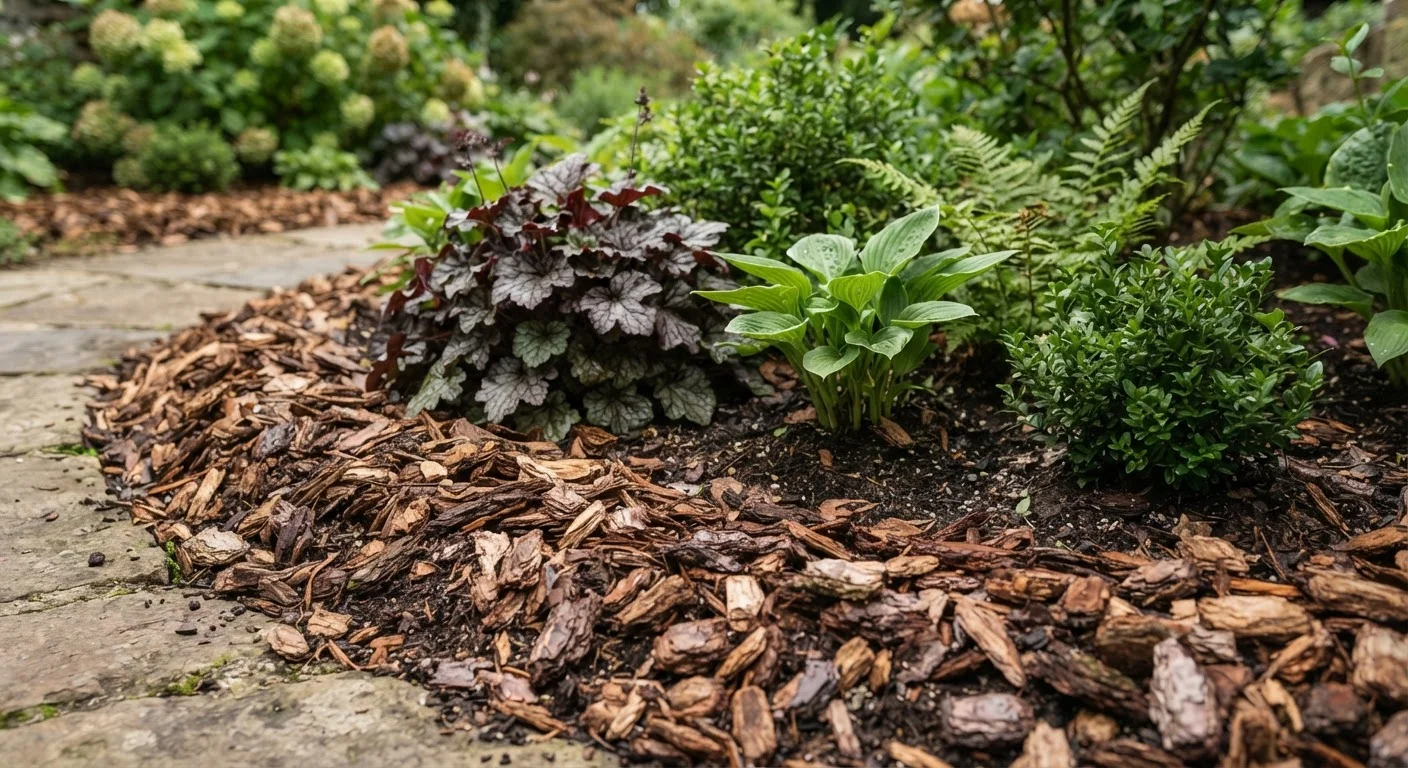
Photo: ResultsExplorer.com | Top Blogs For Everyone editorial
What Mulch Does - and Why It Matters
Mulch is any material spread over the soil surface around plants. At its core, it does three things: conserves soil moisture, moderates soil temperature, and suppresses weed growth. Depending on the type, it may also improve soil structure over time, reduce erosion, or simply provide a tidy, finished appearance to planting areas.
Before choosing a mulch, it helps to know whether you want a material that breaks down and feeds the soil (organic) or one that stays put and focuses on physical coverage (inorganic). Both have legitimate uses - the right choice depends on your garden goals, the specific bed, and how much ongoing maintenance you're willing to do.
| Recommended depth (organic mulch) | 2-4 inches |
| Recommended depth (gravel/stone) | 2-3 inches |
| Clearance around plant stems | 2-4 inches gap |
| Best timing for application | Spring (after soil warms) or late fall |
| Refresh frequency (organic) | Annually or when depth drops below 1-2 inches |
| Grass clipping max layer | 1 inch per application |
Mulch also works alongside your watering habits. A 2-4 inch layer can significantly reduce how often you need to water, particularly during dry spells - making it a natural complement to efficient irrigation approaches. See our guide to garden watering methods for more on managing moisture effectively.
Organic Mulch Types and Their Uses
Organic mulches decompose over time, gradually adding organic matter to the soil. This makes them especially valuable in vegetable beds, perennial borders, and any planting area where improving soil health is a priority.
Organic mulch
Any mulch material derived from once-living matter - such as wood chips, straw, or leaves - that decomposes over time and adds nutrients and organic matter to the soil.
Inorganic mulch
Mulch made from non-biodegradable materials such as gravel, stone, or rubber. It provides coverage and weed suppression without improving soil chemistry.
Crown rot
A fungal condition that occurs when moisture accumulates around the base of a plant stem or trunk, often accelerated by mulch piled directly against the plant. It can cause plant death if not caught early.
Nitrogen drawdown
A temporary reduction in plant-available soil nitrogen that occurs when soil microbes break down carbon-rich materials like fresh wood chips. It can cause yellowing in nitrogen-hungry plants.
Landscape fabric
A woven or non-woven ground cover material used under mulch to suppress weeds while allowing water to pass through. Effectiveness diminishes over time as soil accumulates on its surface.
Wood Chips and Bark Mulch
Wood chips and shredded bark are among the most widely used organic options. They break down slowly, making them well-suited for permanent plantings like trees, shrubs, and perennial beds. Apply in a 2-4 inch layer, keeping material a few inches away from plant stems to prevent rot. Avoid using fresh wood chips directly around nitrogen-hungry vegetables, as decomposing wood can temporarily draw nitrogen from the soil.
Straw
Straw is a popular choice for vegetable gardens. It's light, easy to spread, keeps soil warm in spring and cool in summer, and breaks down within one growing season. Opt for seed-free straw to avoid introducing unwanted plants. A 3-4 inch layer works well between rows.
Compost
Finished compost serves double duty: it mulches and fertilizes at once. Spread 1-2 inches over beds in spring or fall. Because it's finer than other mulches, it doesn't suppress weeds as aggressively - but it enriches soil structure noticeably over time.
Grass Clippings and Shredded Leaves
Both are free byproducts of yard maintenance. Grass clippings should be applied thinly (no more than 1 inch at a time) to prevent matting. Shredded leaves are excellent general-purpose mulch - apply 2-3 inches around vegetables, perennials, and trees alike. Whole leaves can mat together and restrict water penetration, so shredding first makes a real difference.
Inorganic Mulch Types and When They Make Sense
Inorganic mulches don't improve soil, but they last much longer and require less frequent replacement. They're often chosen for pathways, low-maintenance landscapes, or decorative areas where permanent coverage is the goal.
Gravel and River Rock
Stone mulches work well around drought-tolerant plants, succulents, and Mediterranean-style plantings. They allow excellent drainage, don't decompose, and hold heat - which suits warm-season plants but can stress moisture-loving species. Expect to use 2-3 inches for weed suppression. They're difficult to remove if you change your mind, so plan placement carefully.
Landscape Fabric
Often used under gravel or stone, landscape fabric reduces weed pressure without blocking water entirely. However, it can degrade over time, and fine soil and weed seeds tend to accumulate on top, eventually allowing surface weeds to establish anyway. It's most practical in paths and permanent ornamental beds rather than vegetable gardens, where you'll be regularly working the soil.
Rubber Mulch
Made from recycled tires, rubber mulch is durable and commonly used in playground areas or decorative beds. It doesn't contribute to soil health and can retain heat aggressively in summer, which may stress plants in warmer climates. Its use around edible plants is generally discouraged due to the potential for chemical leaching - check current guidance from your local extension service if considering this option.
For low-maintenance landscaping ideas that integrate mulch strategically, pairing inorganic mulches with the right plant selections can dramatically reduce ongoing upkeep.
Applying Mulch Correctly
Getting the depth and placement right matters as much as choosing the right type. Too little mulch and weeds break through; too much and you risk smothering roots or encouraging crown rot.
- General rule: 2-4 inches for most organic mulches; 2-3 inches for gravel or stone.
- Keep a gap: Leave 2-4 inches clear around the base of stems and tree trunks. Mulch piled against wood traps moisture and invites disease and pests.
- Timing: Apply in spring once soil has warmed, or in late fall to insulate roots over winter. Mulching cold soil too early can delay warming.
- Refresh organic mulches: Top up annually as decomposition reduces depth. Remove and replace if mulch becomes compacted or shows signs of fungal growth (sometimes called "artillery fungus" in wood chip mulch).
If you're working with raised beds, note that mulch choices interact with drainage and soil composition - factors worth weighing alongside your bed setup. Our overview of raised beds vs. in-ground planting covers those differences in more detail.
The content provided on our blog site traverses numerous categories, offering readers valuable and practical information. Readers can use the editorial team’s research and data to gain more insights into their topics of interest. However, they are requested not to treat the articles as conclusive. The website team cannot be held responsible for differences in data or inaccuracies found across other platforms. Please also note that the site might also miss out on various schemes and offers available that the readers may find more beneficial than the ones we cover.