
Caulk vs. Weatherstripping: Sealing Gaps the Right Way

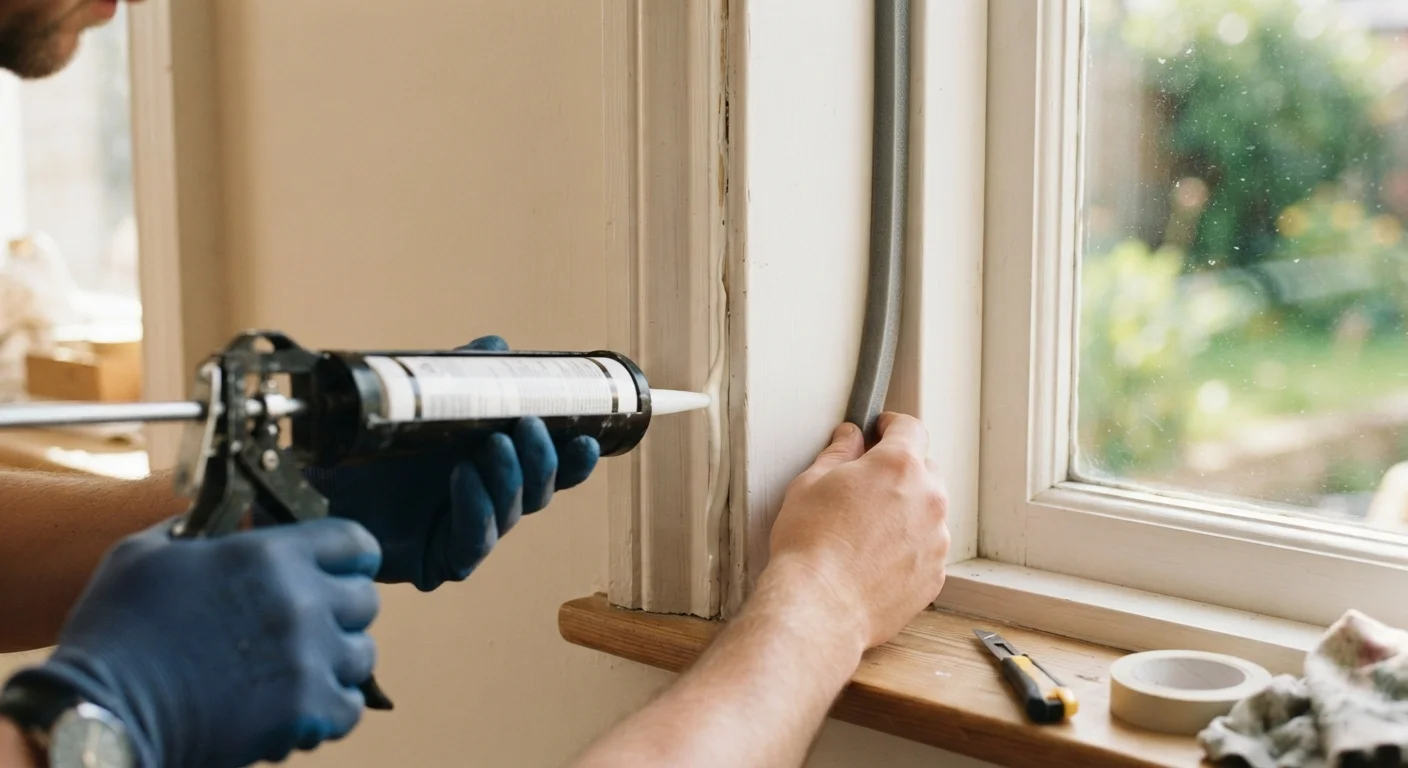
Photo: ResultsExplorer.com | Top Blogs For Everyone editorial
Key Takeaways
- Caulk works best on stationary gaps; weatherstripping handles movable parts like doors and operable windows.
- Using the wrong material in the wrong location leads to premature failure and wasted effort.
- Both materials degrade over time and should be inspected annually, especially before winter.
- Air sealing with either method can meaningfully reduce heating and cooling loss through gaps.
- Many homes benefit from using both caulk and weatherstripping together in the same area.
What Each Material Is Actually Doing
Caulk is a flexible sealant - typically silicone, latex, or a hybrid - that is applied as a paste and cures into a rubbery or firm bead. Its job is to fill a static gap: a joint or crack between two surfaces that stay in the same position relative to each other. Common examples include the seam where a window frame meets exterior siding, where a bathtub meets a tile wall, or where interior trim meets drywall.
Weatherstripping, by contrast, is a physical barrier - made from foam, vinyl, rubber, felt, or metal - that compresses when a door or window closes and springs back when it opens. It sits in the path of movement, not around a fixed joint. Door sweeps, V-strip tension seals, and foam tape are all forms of weatherstripping designed for surfaces that cycle repeatedly between open and closed.
The key distinction is movement. Caulk bonds to two surfaces and resists flex; weatherstripping accommodates flex by design. Applying caulk where movement occurs causes it to crack and separate. Applying weatherstripping to a static gap leaves uneven coverage and won't adhere properly over time.
| Criterion | Caulk | Weatherstripping |
|---|---|---|
| Best application | Static, non-moving gaps and joints | Moving parts: doors, operable windows |
| Material types | Silicone, latex, hybrid | Foam, V-strip, rubber, felt, metal |
| Durability | 5-20 years depending on type and location | 1-5 years depending on material and use |
| DIY difficulty | Low to moderate; requires clean surface prep | Low; peel-and-stick options widely available |
| Paintable | Latex yes; silicone generally no | Typically not painted |
| Moisture resistance | High (especially silicone) | Moderate; not a primary waterproofing layer |
| Reversibility | Requires cutting or chemical removal | Most types removable without damage |
Where Each One Belongs in Your Home
A good mental model: if you can open it, weatherstrip it. If it doesn't move, caulk it.
Use caulk around:
- Exterior window and door frames where they meet siding or brick
- Interior trim, baseboards, and crown molding gaps
- Plumbing and electrical penetrations through walls or floors
- Gaps where the foundation meets the sill plate
- Bathtubs, showers, and sinks where they meet tile or drywall
Use weatherstripping around:
- The perimeter of entry doors (top, sides, and bottom)
- Sliding and casement windows along their closing edges
- Attic hatch covers
- Garage doors where they seal against the floor and frame
It's also worth noting that one location often needs both. A door frame, for example, should have weatherstripping along the door stop (the surface the door presses against) and caulk sealing the gap between the frame and the surrounding wall framing. Missing either one leaves a path for air and moisture. For a full seasonal approach, the home weatherproofing walkthrough covers the combined strategy room by room.
When Gaps Are Too Large for Either Material
Choosing the Right Type Within Each Category
Not all caulk is interchangeable. Silicone caulk is highly durable and water-resistant, making it a strong choice for exterior use and wet areas like bathrooms. It doesn't accept paint, however. Latex (acrylic) caulk is easier to apply, cleans up with water, and can be painted - ideal for interior trim work and areas that won't face direct moisture. Hybrid formulas attempt to combine paintability with better moisture resistance and are often marketed for windows and doors.
Weatherstripping comes in several forms suited to different gaps and budgets. Foam tape is inexpensive and easy to install but compresses permanently over time - plan to replace it every year or two. V-strip (tension seal) is a folded piece of vinyl or metal that fits into the channel of a sliding or double-hung window; it's durable and largely invisible when installed. Door sweeps attach to the bottom of doors to seal the gap at the threshold. Bulb or compression strips - typically rubber or vinyl - are used on door stops and offer a good balance of durability and seal quality.
Inspecting both types of sealing annually is worthwhile. Caulk can shrink, crack, or separate from surfaces; weatherstripping can flatten, tear, or detach. If you're already checking for these issues, you may also benefit from reviewing early signs of water damage to catch any moisture that's already found its way in. For a broader list of often-skipped maintenance tasks, lesser-known maintenance jobs is a helpful companion read.
The content provided on our blog site traverses numerous categories, offering readers valuable and practical information. Readers can use the editorial team’s research and data to gain more insights into their topics of interest. However, they are requested not to treat the articles as conclusive. The website team cannot be held responsible for differences in data or inaccuracies found across other platforms. Please also note that the site might also miss out on various schemes and offers available that the readers may find more beneficial than the ones we cover.