
Lesser-Known Maintenance Jobs That Protect Your Home's Structure

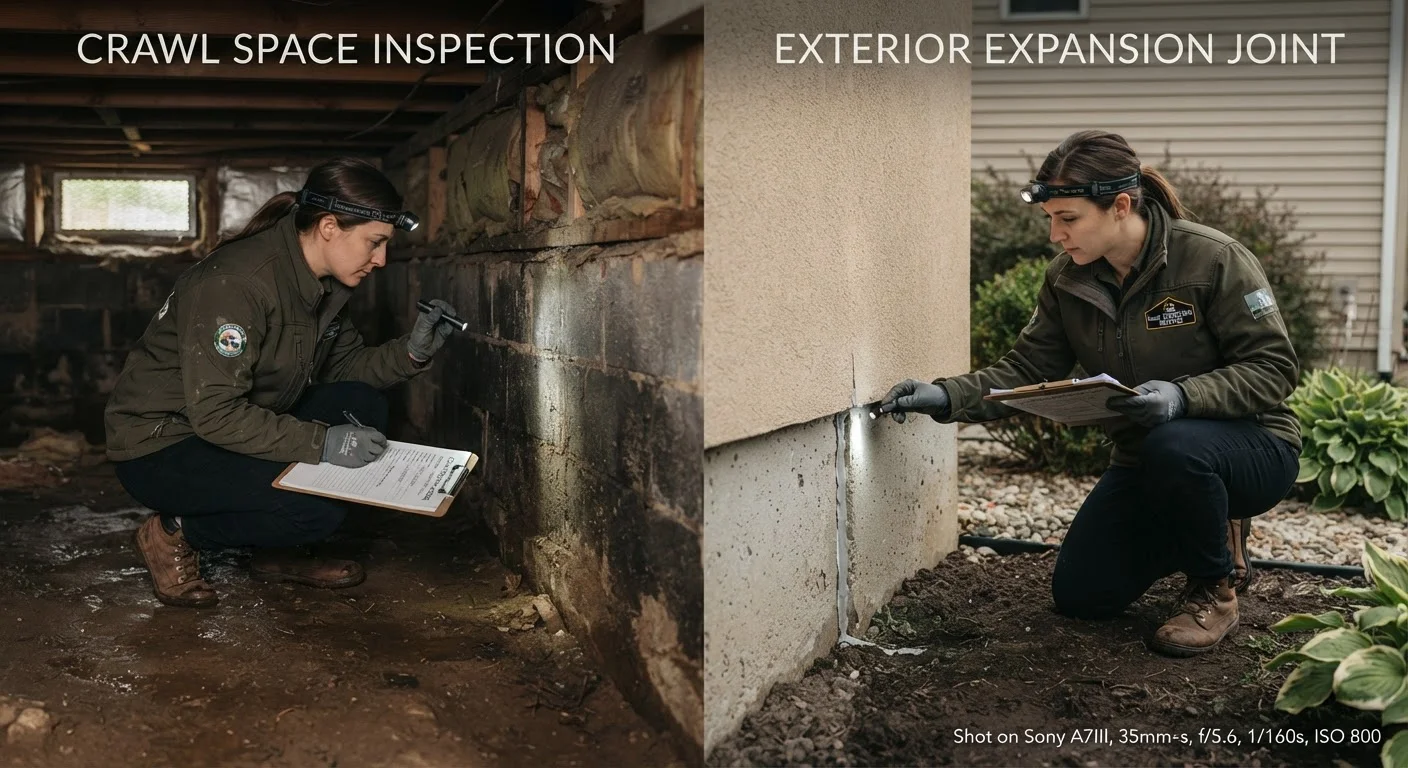
Photo: ResultsExplorer.com | Top Blogs For Everyone editorial
Key Takeaways
- Expansion joints, dryer vents, and crawl spaces are frequently overlooked but structurally critical maintenance areas.
- Neglecting small tasks like sump pump testing or garage door spring checks can lead to expensive damage.
- Many of these jobs require only basic tools and an annual inspection schedule to stay ahead of problems.
- Moisture control in crawl spaces and attics directly affects structural integrity and indoor air quality.
- Deferred maintenance on these hidden systems often compounds into major repair costs over time.
The Maintenance Work Most Homeowners Overlook
Most homeowners stay reasonably on top of obvious upkeep - painting trim, cleaning gutters, replacing filters. But a separate category of maintenance lives largely out of sight and out of mind, quietly influencing whether a home holds together or slowly deteriorates. These are the jobs that don't show up on basic checklists but can generate serious structural and system failures when skipped.
As the hidden costs of deferred maintenance illustrate, neglect rarely stays cheap. The seven tasks below cover the gaps most homeowners don't know exist - each one worth adding to your annual routine.
Inspect and Maintain Expansion Joints
Expansion joints are the deliberate gaps built into concrete driveways, sidewalks, patios, and even some foundations. They exist to absorb movement caused by temperature swings, preventing cracking. Over time, the flexible filler material - typically caulk or foam backer rod - breaks down, dries out, or pulls away from the edges.
When that happens, water infiltrates the joint, freezes in winter, and progressively widens the gap. The fix is straightforward: clean out deteriorated filler, allow the joint to dry completely, and apply a flexible polyurethane or self-leveling sealant rated for concrete joints. Inspect these annually, ideally in spring after freeze-thaw cycles have done their work. See our guide to sealing gaps correctly for material guidance.
Deteriorated expansion joints let water in - and freezing temperatures turn that into progressive structural damage.
Clean the Dryer Vent Duct - Not Just the Lint Trap
Clearing the lint trap before each load is standard practice. Cleaning the vent duct that runs from the dryer to the exterior of the home is not. Lint accumulates in the duct over time, restricting airflow and creating a fire hazard. A blocked duct also forces the dryer to work harder, shortening its lifespan and increasing energy use.
The duct should be cleaned at least once a year - more often in households that do heavy laundry. Disconnect the duct from the back of the dryer, use a long-handled brush kit designed for dryer vents, and clear the exterior cap of any debris or bird nesting material. If the duct run is long or has multiple bends, consider having a professional handle the cleaning.
Lint buildup in the dryer duct - not just the trap - is one of the more common preventable household fire risks.
Check the Crawl Space for Moisture and Pests
Crawl spaces are dark, confined, and easy to ignore - which is exactly why they accumulate problems. Moisture can build up from ground evaporation, condensation on cold pipes, or minor water intrusion, eventually causing wood rot, mold growth, and deterioration of floor joists. Pest activity - particularly termites and rodents - often begins here undetected.
An annual inspection with a flashlight can reveal pooled water, soft or discolored wood, damaged vapor barrier, or signs of pest activity. If the space is consistently damp, improving ventilation or adding a ground-cover vapor barrier may help - but persistent moisture warrants a professional assessment. Understanding how ventilation shapes moisture levels is relevant background here.
An annual crawl space inspection costs almost nothing; missing rot or termite activity can cost tens of thousands.
Test the Sump Pump Before It's Needed
If your home has a basement or sits in an area prone to groundwater, a sump pump is likely your first line of defense against flooding. Most homeowners don't test theirs until water is already rising - at which point a failed pump means significant damage.
Testing is simple: pour water slowly into the sump pit until the float rises and triggers the pump. It should activate, drain the pit, then shut off. Do this in early spring before the wet season. Also check that the discharge line is clear and directed well away from the foundation. If the pump is more than seven to ten years old, replacement is worth considering even if it appears functional - pumps tend to fail under load rather than during testing.
Test your sump pump with water before heavy rain season, not during it - failure under load is far more common than failure at rest.
Examine the Attic for Ventilation and Moisture Issues
Attics are another space homeowners rarely enter between major projects. But poor attic ventilation leads to heat and moisture buildup, which can warp roof sheathing, accelerate shingle deterioration, and create conditions for mold. In winter, warm air escaping into the attic from living spaces can cause ice dams along the eaves.
A basic annual check should confirm that soffit and ridge vents are unobstructed, that insulation hasn't been pushed against eave vents (blocking airflow), and that there are no signs of staining, soft wood, or daylight penetrating through the roof deck. If you notice condensation on the underside of the roof deck, that's a strong indicator of inadequate ventilation - a licensed contractor should assess the situation. This pairs naturally with flat roof-specific maintenance considerations if your home has mixed roof types.
Blocked attic vents trap heat and moisture - two forces that steadily degrade roof structure from the inside out.
Inspect Garage Door Springs and Hardware
Garage doors are heavy - often 150 to 300 pounds - and the springs and cables that counterbalance that weight undergo significant stress with every cycle. Torsion springs above the door and extension springs along the sides have a finite lifespan, typically measured in cycles rather than years.
Visually inspect the springs, cables, rollers, and hinges each year for signs of rust, fraying, or visible wear. Lubricate moving metal parts with a product designed for garage door hardware. If a spring shows visible gaps, corrosion, or the door feels unbalanced when lifted manually, do not attempt spring replacement yourself - garage door spring repair is a task for trained technicians due to the stored tension involved. Early replacement before failure prevents both property damage and injury.
Garage door springs have a limited cycle life - inspecting them annually can prevent sudden failure and potential injury.
Clear and Inspect Window Well Drains
Homes with below-grade windows typically have window wells - curved metal or plastic enclosures that hold back soil and allow light into basement windows. At the base of each well, there should be a gravel layer or drain that directs water away from the foundation. These drains can clog with leaves, dirt, and debris, turning the well into a small reservoir during heavy rain.
Each spring, remove debris from window wells, check that the gravel base is still present and draining freely, and confirm the window frame itself is sealed and intact. Signs of water damage around the window frame - staining, efflorescence (white mineral deposits on masonry), or soft wood - indicate water is already finding its way in and the situation needs prompt attention.
A clogged window well drain during a heavy rainstorm can push water directly against your foundation wall.
Making These Tasks Part of Your Routine
None of these jobs requires specialist skills to inspect, though some - particularly anything involving electrical systems, gas lines, or structural assessment - should be handed off to a licensed professional when you're unsure of what you're looking at. The goal of your annual walk-through is identification, not necessarily DIY repair.
Build a Simple Annual Inspection Log
A structured home maintenance schedule can help you assign each of these tasks to a specific season so nothing slips through. Pairing them with tasks you already do - gutter cleaning in fall, for example - makes adoption easier. If any of these inspections reveal something you're uncertain about, the common missteps homeowners make guide is a useful companion for avoiding well-meaning mistakes.
The content provided on our blog site traverses numerous categories, offering readers valuable and practical information. Readers can use the editorial team’s research and data to gain more insights into their topics of interest. However, they are requested not to treat the articles as conclusive. The website team cannot be held responsible for differences in data or inaccuracies found across other platforms. Please also note that the site might also miss out on various schemes and offers available that the readers may find more beneficial than the ones we cover.