
What a Home Maintenance Schedule Actually Looks Like

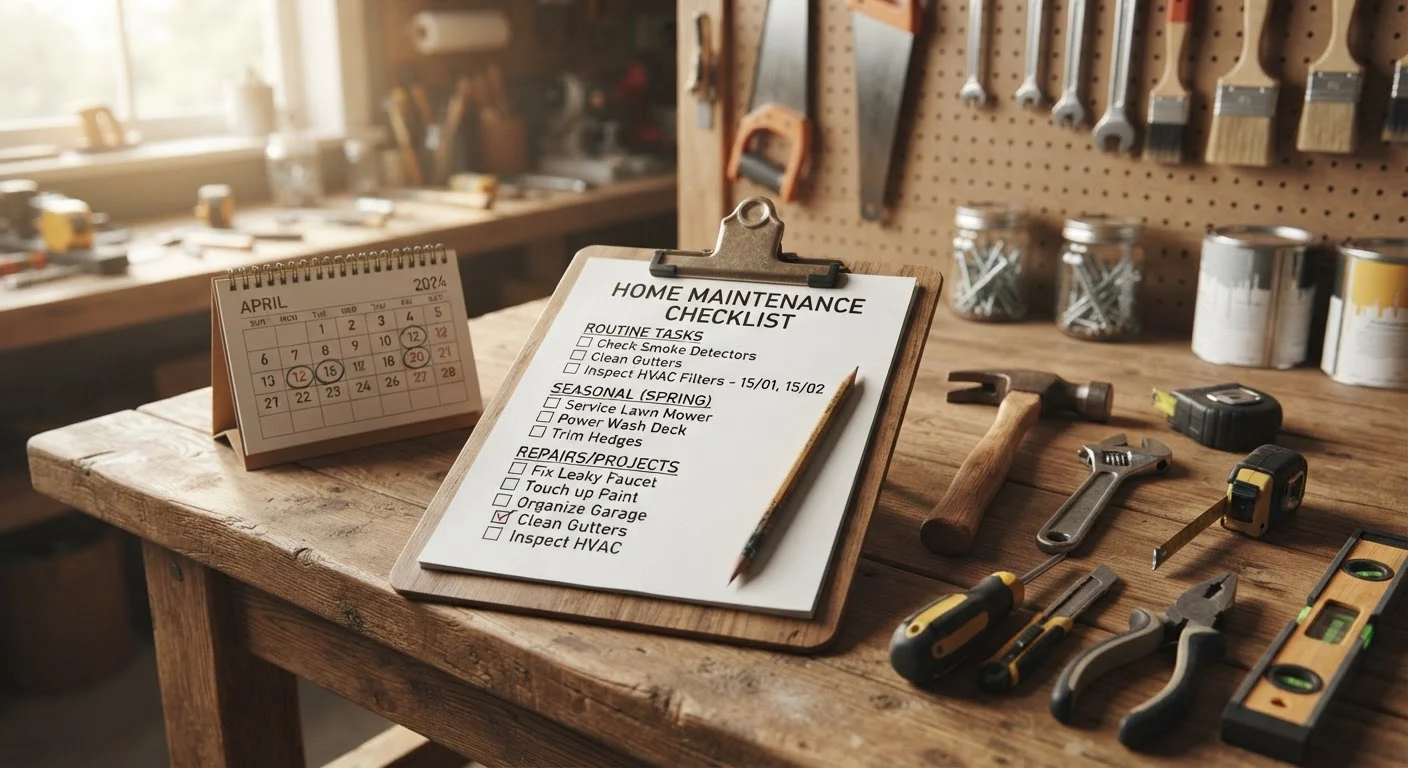
Photo: ResultsExplorer.com | Top Blogs For Everyone editorial
Key Takeaways
- Group maintenance tasks by frequency - monthly, seasonal, annual, and multi-year - to avoid overwhelm.
- A simple log of completed tasks is more reliable than memory alone for tracking your home's upkeep history.
- Seasonal transitions are natural checkpoints for inspecting roofs, gutters, HVAC systems, and exterior caulking.
- Electrical, gas, structural, and roofing work should always involve a licensed professional.
- Skipping small tasks tends to compound into much larger, costlier repairs over time.
Why a Schedule Beats a To-Do List
Most homeowners handle maintenance reactively - fixing things when they break rather than before they do. A running to-do list captures tasks but not timing, which means high-value preventive jobs get perpetually deferred. A schedule assigns each task a frequency and a trigger, so nothing falls through the cracks.
The stakes matter here. As detailed in The Hidden Costs of Skipping Routine Home Maintenance, small neglected jobs - a cracked caulk bead around a window, a clogged dryer vent - routinely escalate into structural damage or fire hazards. A schedule interrupts that pattern by making upkeep a recurring system rather than a reactive response.
The goal isn't perfection. It's a realistic rhythm that keeps your home's major systems running and surfaces problems early enough that repairs stay manageable.
The Four Maintenance Frequencies
Most home maintenance tasks fall into one of four time buckets. Understanding these buckets is the foundation of any useful schedule.
1%-4%
Of home value recommended annually for maintenance
A widely cited rule of thumb among housing advisors suggests budgeting 1%-4% of your home's value each year for upkeep, depending on age and condition.
~$6,000
Average annual home maintenance spend (US)
Surveys from home services research groups have consistently placed median annual maintenance spending for US homeowners in the $5,000-$7,000 range.
3x
Cost multiplier when maintenance is deferred
Home inspection and repair industry estimates suggest deferred maintenance tasks can cost three or more times as much once secondary damage has occurred.
Monthly
These are quick checks that take minutes but catch problems fast. Examples include testing smoke and carbon monoxide detectors, checking HVAC filter condition, inspecting under-sink areas for leaks, and clearing debris from exterior drains. Monthly tasks rarely require tools - they're mostly visual or tactile checks.
Seasonal (every 3-4 months)
Tied to the rhythm of spring, summer, fall, and winter, seasonal tasks respond to weather-driven stress on your home. Think: flushing gutters before heavy rain season, servicing HVAC before peak demand, inspecting window and door caulking before cold weather, and testing outdoor faucets before the first freeze. The Seasonal Home Maintenance planner maps these out in structured detail.
Annual
Once-a-year tasks address systems and surfaces that degrade slowly. Roof inspections, chimney cleaning (if you have a fireplace), water heater flushing, dryer vent cleaning, and a full exterior walk-around fall into this category. Many homeowners align annual tasks with a single calendar month - January or April work well - to create a predictable anchor.
Multi-Year
Some tasks recur every 3-10 years depending on materials and climate: repainting exterior surfaces, resealing a driveway, replacing water heater anode rods, or re-caulking a tub surround. These are easy to forget without a log, which is why tracking matters (see the next section).
Building Your Schedule: A Practical Framework
Start with an inventory, not a template. Walk through your home systematically - basement to attic, exterior included - and note every system and surface: HVAC, plumbing, electrical panel, roof type, foundation, windows, doors, decks, and landscaping features. This inventory becomes the input for your schedule.
Photograph problem areas when you first notice them - a cracked seal, a rust stain, a soft spot on a deck board - and date the photo. Visual evidence of progression is far more useful than a written description alone.
Pair new maintenance habits with existing seasonal rituals you already do reliably - like changing clocks for daylight saving time or cleaning up after the holidays - so they become automatic anchors rather than separate commitments.
Next, assign each item a frequency from the four buckets above. When in doubt, default to the more frequent option; you can always scale back once you understand your home's actual maintenance demands.
Build the schedule in whatever format you'll actually use. A simple spreadsheet with columns for task, frequency, last completed, and next due date works well for most people. A physical binder with monthly dividers is equally effective. Digital calendar reminders also work - the format matters far less than consistency.
For an expanded view of which specific jobs are easy to overlook, Lesser-Known Maintenance Jobs That Protect Your Home's Structure covers items like expansion joint care and crawl space checks that rarely appear on standard checklists.
Tracking What Gets Done
Memory is an unreliable maintenance log. A record of what was done and when serves three practical purposes: it tells you what's overdue, it informs tradespeople who work on your home, and it provides documentation if you sell.
A basic log entry needs only four fields: task name, date completed, who did the work (DIY or contractor name), and any notes (e.g., "filter was very dirty - check again in 30 days"). Keep receipts for professional service alongside the log.
Review the log at each seasonal transition. This four-times-a-year habit surfaces anything overdue and helps you prioritise when budget or time is limited. It also prevents the common missteps homeowners make that come from doing tasks incorrectly or on the wrong schedule.
When to Call a Professional
A good maintenance schedule distinguishes between owner-managed tasks and work that requires a licensed trade. This distinction isn't just about skill - it's about safety and code compliance.
As a general rule, any work involving the electrical panel, gas lines, load-bearing structure, roofing above a single story, or connections to municipal water or sewer should involve a qualified professional. Many jurisdictions also require permits for work beyond a certain scope; checking with your local building department before starting significant repairs protects you legally and financially.
DIY-appropriate tasks typically include filter replacements, caulking and weatherstripping, exterior painting (single-story), gutter cleaning, minor landscaping, and routine testing of safety devices. When in doubt, a diagnostic visit from a licensed inspector or trades professional is money well spent - it clarifies whether a condition is cosmetic or structural before you commit to either action or inaction.
Keeping your home well-maintained is ultimately a form of ongoing investment. The time spent on a realistic schedule pays dividends in avoided emergency repairs, predictable costs, and a home that stays sound across decades.
The content provided on our blog site traverses numerous categories, offering readers valuable and practical information. Readers can use the editorial team’s research and data to gain more insights into their topics of interest. However, they are requested not to treat the articles as conclusive. The website team cannot be held responsible for differences in data or inaccuracies found across other platforms. Please also note that the site might also miss out on various schemes and offers available that the readers may find more beneficial than the ones we cover.