
The Hidden Costs of Skipping Routine Home Maintenance

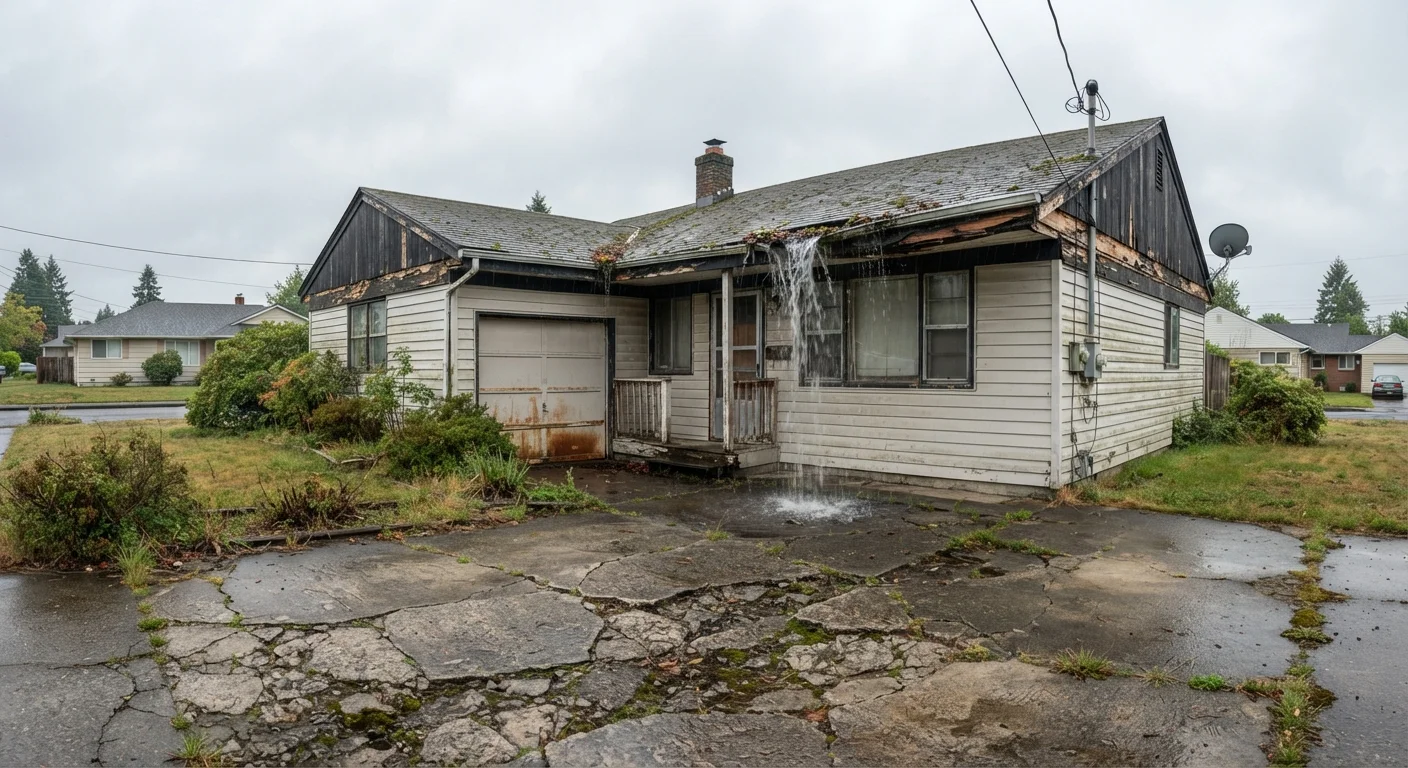
Photo: ResultsExplorer.com | Top Blogs For Everyone editorial
Key Takeaways
- Minor maintenance tasks left undone often trigger chain reactions that damage multiple home systems at once.
- Water intrusion is the single most common driver of deferred maintenance costs - affecting structure, insulation, and air quality.
- Routine upkeep typically costs far less than emergency repairs for the same underlying issue.
- Some neglected repairs - like roof leaks or electrical degradation - can affect home insurability and resale value.
- A simple seasonal checklist can catch most high-risk problems before they escalate.
Why Skipped Maintenance Rarely Stays Cheap
Most homeowners understand that maintenance is important in a vague, general sense. But the financial reality of deferred upkeep is far more concrete - and far more damaging - than it might initially appear. The pattern is predictable: a small problem is noticed, judged non-urgent, and set aside. Meanwhile, the underlying cause continues to work on the house, quietly expanding the scope and the eventual repair bill.
What makes this especially costly is the cascade effect. Home systems are interconnected. A roof with a few missing shingles allows moisture into the attic. That moisture promotes mold growth in insulation, degrades structural sheathing, and eventually shows up as staining or softness in ceiling drywall. What began as a simple shingle replacement - often a modest repair - can evolve into an attic remediation and ceiling replacement project. The same cascading logic applies to neglected gutters, aging caulk around windows, and unmaintained HVAC systems.
1%-4%
Of home value often cited as annual maintenance budget range
Industry estimates suggest homeowners typically spend between 1% and 4% of their home's value annually on upkeep, though actual costs vary by home age, size, and condition.
~40%
Of homeowner insurance claims linked to water damage
According to Insurance Information Institute data, water damage and freezing account for a significant share of homeowner insurance claims - much of which stems from maintenance failures.
10x+
Potential cost multiplier when minor repairs are deferred
Home inspection professionals commonly note that small, addressable problems - like minor roof leaks or clogged gutters - can result in repair costs many times higher if left unaddressed for multiple seasons.
Understanding this compounding effect is the first step toward treating maintenance not as an optional expense, but as a form of loss prevention.
The High-Risk Systems Homeowners Most Often Neglect
Not all maintenance tasks carry equal risk when deferred. Some systems are more forgiving; others deteriorate rapidly and carry steep repair costs when neglected.
Roof and Gutters
These are the home's first line of defense against water - and water is the leading cause of structural damage in residential properties. Clogged gutters force water against fascia boards and behind siding, and can contribute to foundation saturation. A roof with worn flashing or cracked shingles may not leak visibly for months, but moisture is already migrating into the structure.
HVAC Systems
Skipping filter changes and annual servicing reduces efficiency and stresses components. A system working harder than necessary wears out faster, and compressor or heat exchanger failures are among the most expensive single-unit repairs a homeowner can face.
Caulking and Exterior Seals
The caulk around windows, doors, and penetrations is a low-cost consumable that does significant protective work. When it cracks or separates, it admits moisture and drafts. Many homeowners are unaware of overlooked structural maintenance tasks - like expansion joint care - that quietly prevent major damage.
Plumbing and Water Heaters
Slow drips and sediment buildup in water heaters are commonly ignored until a failure occurs. Water heater tank failures can cause significant water damage in a short time.
Start With a Walk-Around Inspection
The Real Cost Comparison: Prevention vs. Repair
The financial argument for routine maintenance is straightforward when numbers are put side by side. Routine gutter cleaning is a modest annual cost. Repairing fascia rot, re-sloping a foundation drainage problem, and waterproofing a basement as a result of years of clogged gutters is a substantially larger expense - often by a factor of ten or more.
The same pattern holds across nearly every home system. Annual HVAC servicing is far less expensive than replacing a failed compressor. Repointing deteriorated mortar is a fraction of the cost of repairing a spalling chimney or addressing water infiltration through failed joints.
It's worth noting that some deferred maintenance also affects a home's insurability and market value. Home inspectors flag deferred maintenance during sale transactions, which can affect negotiating leverage. And as mentioned in the definition block above, insurance claims tied to long-term neglect may not be covered under standard homeowner policies.
The compounding-costs dynamic of skipped maintenance is closely parallel to what happens with vehicles - the minor car problems that quietly escalate follow the same pattern of small neglect leading to major expense.
Building a Maintenance Habit That Sticks
The practical challenge for most homeowners isn't understanding that maintenance matters - it's building a sustainable habit of actually doing it. A few structural approaches help.
- Seasonal checklists: Assign specific tasks to spring and fall. Spring is ideal for post-winter inspection of roofing, gutters, and exterior caulk. Fall is the time to service the heating system, clean dryer vents, and check weatherstripping.
- A home maintenance log: Documenting completed tasks with dates creates a record that is useful for insurance purposes, resale disclosures, and tracking when systems are due for attention.
- Budget allocation: A commonly cited general guideline suggests setting aside a percentage of the home's value annually for maintenance - though actual needs vary significantly based on home age, condition, and climate. This is general information, not financial advice; your situation may differ.
Separating fact from common misconception also matters. Many homeowners operate on maintenance folklore that can make problems worse. Home maintenance myths - like the idea that bleach permanently resolves mold - can lead to repeat interventions that never fully address the root cause.
Consistent, informed attention to a home's systems is the most reliable way to avoid the financial and structural consequences of deferred maintenance. The goal isn't perfection - it's catching problems while they're still small.
Frequently Asked Questions
The content provided on our blog site traverses numerous categories, offering readers valuable and practical information. Readers can use the editorial team’s research and data to gain more insights into their topics of interest. However, they are requested not to treat the articles as conclusive. The website team cannot be held responsible for differences in data or inaccuracies found across other platforms. Please also note that the site might also miss out on various schemes and offers available that the readers may find more beneficial than the ones we cover.