
The Minor Car Problems That Quietly Grow Into Major Repairs

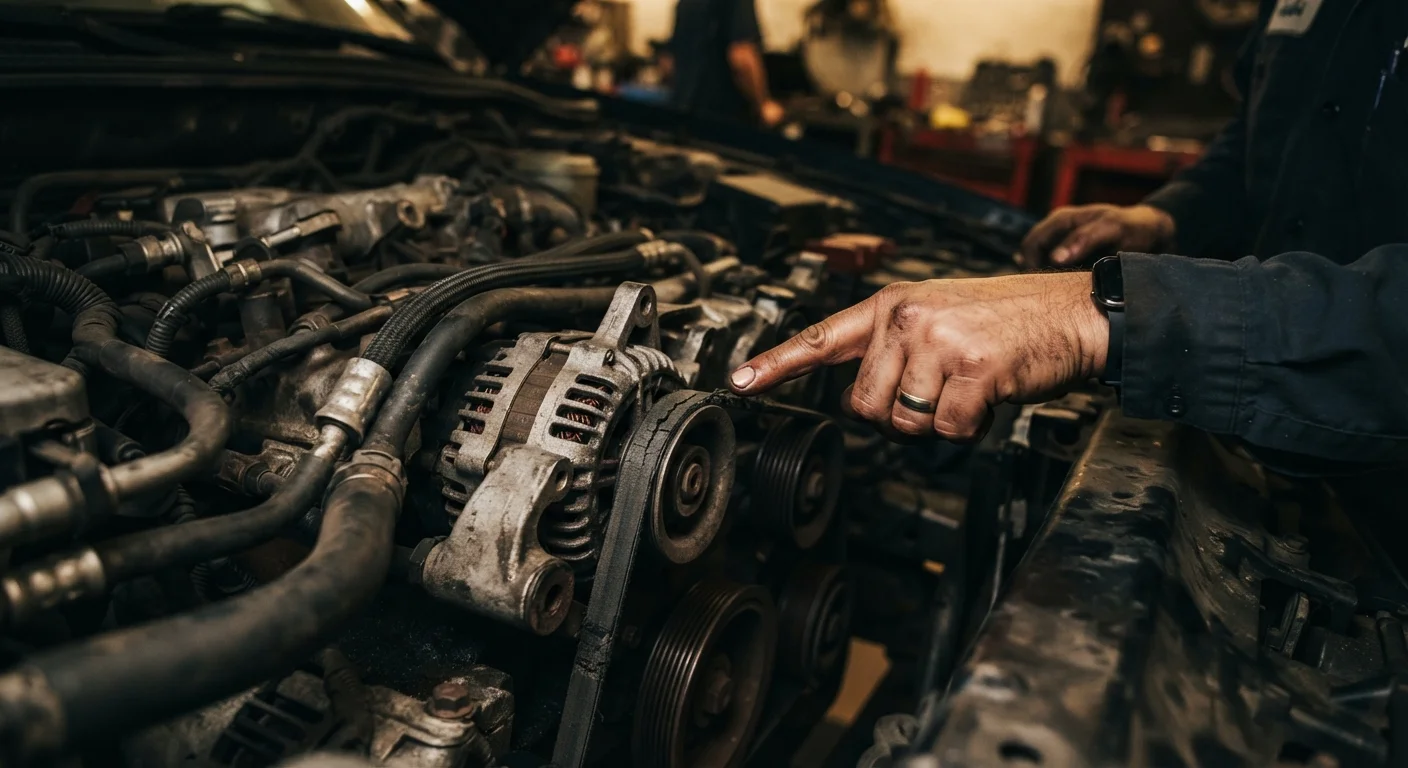
Photo: ResultsExplorer.com | Top Blogs For Everyone editorial
Key Takeaways
- Minor car problems like slow leaks and worn brakes can quietly compound into costly failures.
- Most escalation happens because drivers either dismiss early symptoms or delay routine maintenance.
- Catching issues early - often during simple visual checks - is typically far cheaper than emergency repairs.
- A few consistent habits can prevent the majority of avoidable major repairs.
Why Small Problems Rarely Stay Small
Cars are interconnected systems. A failing part rarely damages only itself - it stresses neighboring components, masks other symptoms, and gradually degrades performance until a breakdown forces the issue. The pattern is consistent: a minor problem ignored for weeks becomes a moderate repair ignored for months, and eventually a major failure that sidelines the vehicle entirely.
Understanding which minor issues tend to escalate - and why drivers overlook them - is one of the most practical things a car owner can learn. For a broader look at managing vehicle expenses over time, see our guide to managing car costs over the long term.
Ignoring a slow tire pressure loss instead of identifying the cause.
Waiting until brakes squeal loudly before scheduling an inspection.
Skipping oil changes beyond the manufacturer-recommended interval.
Dismissing a check engine light because the car "seems fine."
Letting a small coolant leak go unchecked.
Continuing to drive on a visibly worn or cracked serpentine belt.
The Escalation Pattern and How to Break It
Most preventable major repairs share a common thread: an early symptom was noticed but not acted on. Squealing brakes get louder before they grind metal-to-metal. A slow coolant leak becomes an overheated engine. An oil level that drops between changes becomes sludge that starves critical engine components.
~$1,200
Average cost of an engine overheating repair
Industry repair data suggests engine damage from overheating - often tied to ignored coolant leaks - frequently runs into four figures, compared to minimal cost for addressing the original leak.
3-4x
Cost increase when brake pads reach rotors
Replacing brake pads alone is significantly less expensive than replacing both pads and rotors, a repair required when worn pads are left until metal-on-metal contact occurs.
The good news is that breaking this pattern doesn't require mechanical expertise. It requires consistency - checking fluid levels monthly, listening for new sounds, and not postponing scheduled maintenance when it's due. A visual walk-around before long trips and a monthly under-hood check take less than ten minutes and catch the majority of developing problems before they compound.
Proactive habits apply across ownership categories. Just as deferred home maintenance compounds into expensive failures, skipped vehicle maintenance follows the same logic - small deferrals rarely save money in the long run. Explore more practical guidance on car ownership basics to build a dependable maintenance routine.
Don't Reset a Warning Light Without Diagnosing It
The content provided on our blog site traverses numerous categories, offering readers valuable and practical information. Readers can use the editorial team’s research and data to gain more insights into their topics of interest. However, they are requested not to treat the articles as conclusive. The website team cannot be held responsible for differences in data or inaccuracies found across other platforms. Please also note that the site might also miss out on various schemes and offers available that the readers may find more beneficial than the ones we cover.