
Car Ownership Basics

Managing Car Costs Over the Long Term: Practical Principles for Owners

Managing Car Costs Over the Long Term: Practical Principles for Owners

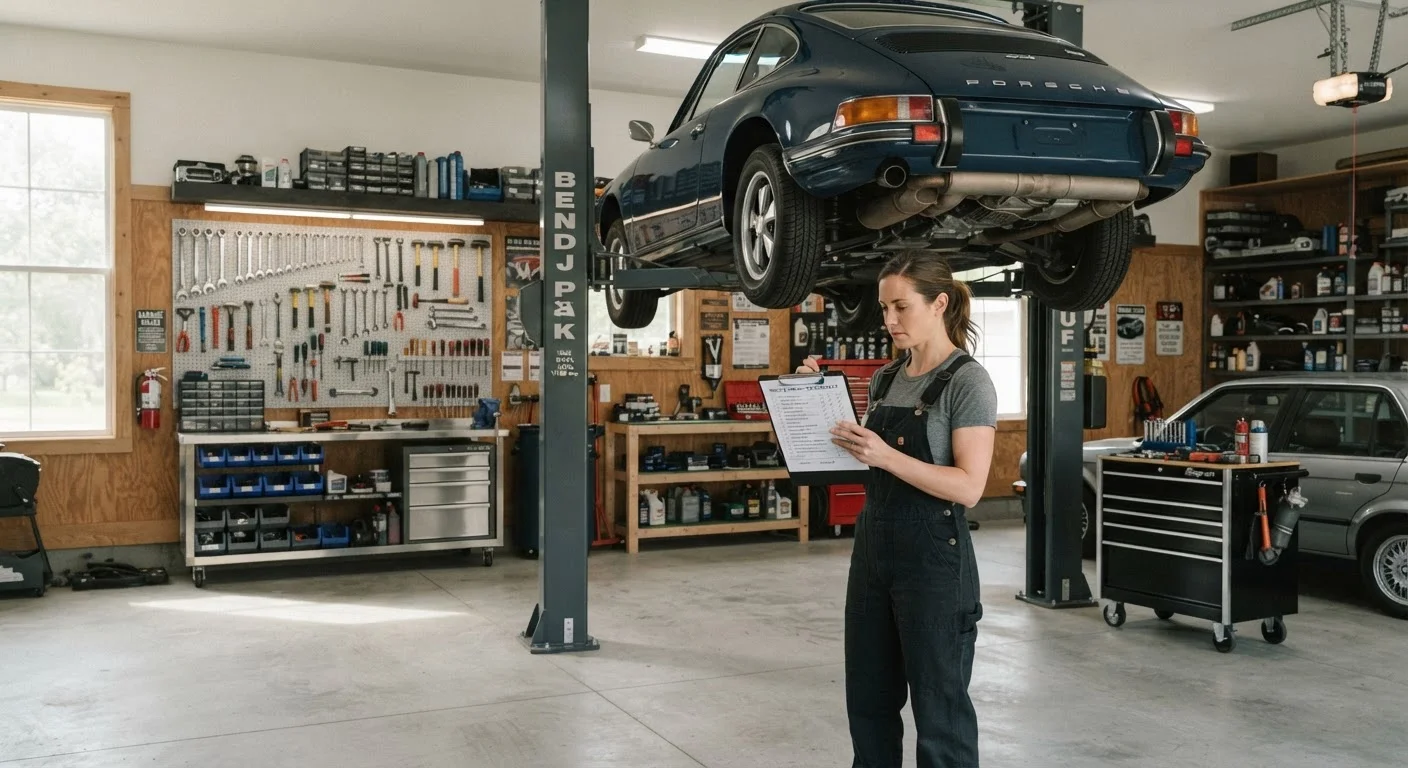
Photo: ResultsExplorer.com | Top Blogs For Everyone editorial

From maintenance schedules to insurance reviews, these evidence-backed approaches help vehicle owners manage costs without cutting corners on safety.

Key Takeaways

  • Following your vehicle's factory maintenance schedule is the single most effective cost-control habit.
  • Building a dedicated car fund — separate from your emergency savings — cushions unexpected repair bills.
  • Reviewing your insurance coverage annually can help you avoid paying for protection that no longer fits your situation.
  • Understanding depreciation helps you make smarter decisions about when to repair, sell, or replace.
  • Small administrative oversights — missed registration renewals, lapsed coverage — routinely create costs larger than prevention would have.

Start With the True Cost of Ownership

Most drivers focus on the purchase price or monthly payment when budgeting for a car. But the ongoing costs — fuel, insurance, registration fees, routine maintenance, and eventual repairs — often exceed what was paid upfront over the life of the vehicle. Understanding this broader picture is the foundation of managing car costs well.

A useful exercise is listing every recurring cost your vehicle generates over a year: insurance premiums, state registration, an oil change or two, tire rotations, wiper replacements, and fuel. Add an estimate for non-routine repairs based on your car's age and mileage. This gives you a working annual cost figure rather than a vague sense of expense.

If you're newer to car ownership, the article Why New Drivers Often Underestimate What Car Ownership Involves breaks down many of the surprises first-time owners encounter — and why they're so common.

1

Follow your vehicle's factory maintenance schedule without improvising intervals.

Manufacturer schedules are engineered to catch wear before it becomes failure. Skipping or delaying services — oil changes, coolant flushes, timing belt replacements — frequently leads to far more expensive repairs. The schedule is in your owner's manual and is the most reliable guide available.
Example: A driver who keeps up with transmission fluid changes at manufacturer-recommended intervals is far less likely to face a $3,000–$5,000 transmission rebuild than one who assumes it only needs attention when something feels wrong.
2

Build a dedicated vehicle repair fund separate from your general emergency savings.

Cars produce irregular, unpredictable expenses. Without a buffer specifically for the vehicle, a single repair bill can disrupt broader financial stability. A separate fund — even modest — keeps car costs from competing with rent, medical bills, or other priorities.
Example: Setting aside a fixed amount per month into a labeled savings account means a surprise brake job or water pump replacement becomes a manageable draw rather than a crisis.
3

Review your insurance coverage annually, not just at renewal notice time.

Life changes affect what coverage is appropriate — a change in commute distance, adding a driver, or a shift in the car's value all have insurance implications. Passive renewal keeps paying for a coverage profile built around circumstances that may no longer apply.
Example: Dropping comprehensive and collision on a high-mileage older vehicle — after verifying its current market value — is a decision many owners overlook simply because auto-renewal is the path of least resistance.
4

Know which maintenance tasks are genuinely DIY-appropriate and which require a professional.

Attempting complex repairs without the right tools, knowledge, or workspace can turn a modest problem into a costly one — or create safety risks. Conversely, paying a shop for simple tasks a capable owner could handle is also unnecessary expense. The line between the two is worth understanding clearly.
Example: Replacing cabin air filters, checking tire pressure, and topping off windshield washer fluid are reasonable self-service tasks for most owners; brake system work or suspension repairs generally warrant a qualified mechanic. See Handling Car Maintenance Yourself for a fuller breakdown.
5

Treat tire maintenance as a cost-control measure, not just a safety one.

Under-inflated tires increase fuel consumption and wear unevenly, shortening their service life. Rotating tires at recommended intervals extends their usable mileage significantly. Given that a full set of tires is a substantial expense, consistent tire care has measurable financial returns.
Example: Maintaining correct inflation — checked monthly with a reliable gauge — can improve fuel economy and extend tire life, deferring a replacement purchase by a meaningful margin.

Core Practices That Keep Costs in Check

Long-term cost management isn't about finding shortcuts — it's about consistency in the right areas. The practices below reflect what experienced owners and automotive professionals generally recommend as reliable cost-control habits.

high Pull out your owner's manual today and locate the maintenance schedule — note any overdue services and book them.
medium Check your tire pressure this week using a gauge; adjust to the figure on the driver's door jamb sticker, not the tire sidewall.
high Set calendar reminders for your insurance renewal, registration expiry, and next scheduled service — at least 30 days in advance.
high Open a separate savings account labeled for vehicle expenses and transfer even a small fixed amount this month to start the habit.
medium Review your current insurance declarations page to confirm the coverage types and limits still reflect your vehicle's age and your driving situation.

Protecting Yourself on the Administrative Side

Costs don't only come from the engine. Administrative gaps — a lapsed insurance policy, an expired registration, a missed safety inspection — can generate fines, legal exposure, and coverage voids that dwarf the original oversight. A simple calendar system with reminders for each annual renewal goes a long way.

For a structured approach to tracking these deadlines, see Keeping On Top of Car Admin.

Insurance deserves particular attention. Coverage that made sense when your car was new may be over- or under-fitted to a vehicle several years older. Collision and comprehensive coverage on a fully depreciated vehicle, for example, may cost more annually than the vehicle's actual market value. Understanding how depreciation affects your car's value is directly relevant here. This article is general information — for coverage decisions specific to your situation, consult a licensed insurance agent.

Common Maintenance Myths Worth Questioning

Some widespread car care beliefs — such as needing an oil change every 3,000 miles regardless of the vehicle — don't reflect current engine technology or modern oil formulations. Acting on outdated assumptions can mean unnecessary expense without added protection. The article Car Maintenance Beliefs That Don't Hold Up to Scrutiny examines several of these beliefs in detail.

This article provides general financial and maintenance information for educational purposes. It is not personalized financial, insurance, or legal advice. Consult qualified professionals for guidance specific to your situation.

Automotive Basics Editorial Team

ResultsExplorer.com | Top Blogs For Everyone

Automotive Basics Editorial Team is the collective byline for our editorial team and contributor network. Articles published under this byline or an editorial pen name are researched, written, and reviewed according to our editorial standards for clarity, consistency, and independence before publication.

Car MaintenanceRoad & Safety RulesCar Ownership Basics
View author profile

The content provided on our blog site traverses numerous categories, offering readers valuable and practical information. Readers can use the editorial team’s research and data to gain more insights into their topics of interest. However, they are requested not to treat the articles as conclusive. The website team cannot be held responsible for differences in data or inaccuracies found across other platforms. Please also note that the site might also miss out on various schemes and offers available that the readers may find more beneficial than the ones we cover.