
Keeping On Top of Car Admin: Registration, Insurance, and Servicing Deadlines

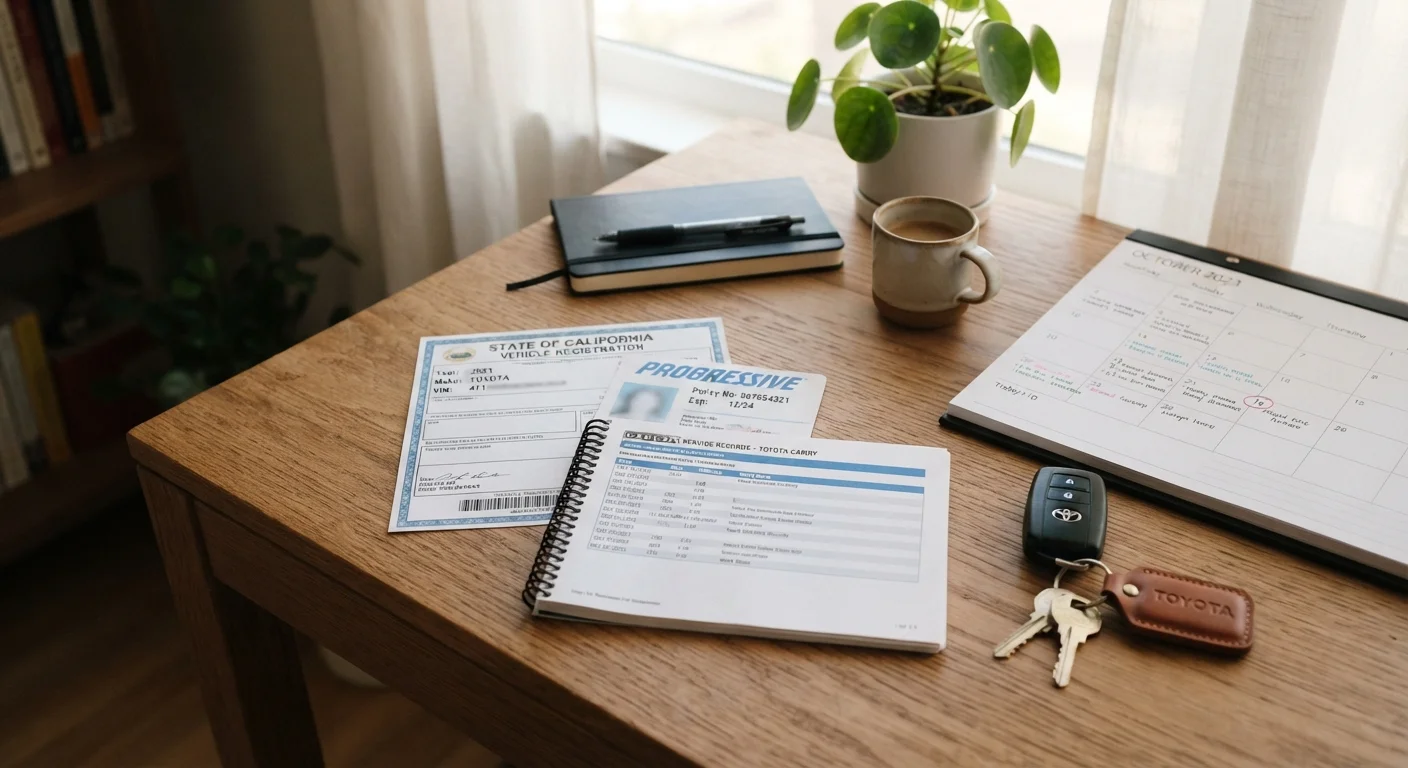
Photo: ResultsExplorer.com | Top Blogs For Everyone editorial
Key Takeaways
- Missing registration or insurance deadlines can result in fines, penalties, or loss of driving privileges.
- Most states require annual vehicle registration renewal; deadlines and fees vary by state.
- Auto insurance must be continuous - even a brief lapse can raise future premiums.
- Manufacturer-recommended service intervals protect your warranty and long-term vehicle reliability.
- A simple calendar system can prevent nearly all missed automotive admin deadlines.
Why Car Admin Deadlines Matter More Than You Think
For many drivers, the paperwork side of car ownership takes a back seat until something goes wrong - an expired registration notice, a lapsed insurance policy, or a skipped oil change that leads to engine trouble. The reality is that staying current on administrative and maintenance deadlines is just as important as keeping gas in the tank.
Each year, drivers across the US face fines, impoundment fees, or insurance complications that could have been avoided with a basic tracking system. Beyond the legal and financial risks, expired registrations and missed service appointments can also affect your vehicle's safety and resale value. This checklist is designed to help you audit your current status, identify what's coming due, and build a simple routine to stay ahead of it all.
For a broader view of how these admin tasks fit into the full picture of ownership expenses, see our annual car ownership costs reference for a structured breakdown by expense category.
Your state DMV website
Check registration deadlines, renewal eligibility, and any required inspections specific to your state.
Vehicle owner's manual
Reference manufacturer-recommended service intervals and fluid specifications for your specific make and model.
Insurance declarations page
Confirms your policy renewal date, coverage levels, and listed drivers.
Smartphone calendar or reminder app
Set recurring alerts for registration renewals, insurance renewals, and mileage-based service intervals.
Service record folder or app
Track all maintenance visits with dates and mileage to stay ahead of upcoming service needs.
The Car Admin Checklist
Work through each group below. Use it as an annual audit, or run through it whenever a major renewal period is approaching. Items marked must are non-negotiable legal or safety requirements; should items are strongly recommended; nice to have items add convenience or long-term protection.
Vehicle Registration
Auto Insurance
Scheduled Servicing
Document Organization
Don't Let Insurance Lapse - Even Briefly
For a complementary look at what your vehicle physically needs throughout the year, the full car maintenance timeline covers every service interval in detail.
Season-to-season checks - particularly before winter and summer - are covered in our guide on what to inspect on your car as the seasons change.
Building a Reliable Reminder System
Knowing what to track is only half the challenge - the other half is making sure you actually remember when things are due. A few simple habits can eliminate nearly all missed deadlines.
Centralize your documents. Keep physical copies of your registration, insurance card, and most recent service receipt in a single folder in your glove compartment. Store digital copies in a cloud folder or email them to yourself as a backup.
Use calendar alerts. Set recurring reminders 30 and 7 days before each renewal - registration, insurance, and any manufacturer-recommended service interval. Most smartphones allow recurring annual alerts that require zero upkeep once set.
Tie tasks to mileage, not just dates. Many service intervals (oil changes, tire rotations, brake inspections) are mileage-based, not calendar-based. Note your odometer reading at each service and calculate when the next one falls due. A sticky note on your dashboard or a note in your phone works fine.
Review annually. Pick one date each year - your registration anniversary or the start of the year works well - to do a full admin review. Cross-check your insurance coverage levels, confirm your registration status, and look ahead at any major services your vehicle will need in the coming 12 months. Our guide on managing car costs over the long term walks through evidence-backed approaches for keeping ownership costs predictable and controlled.
Expired Registration Can Lead to Impoundment
The content provided on our blog site traverses numerous categories, offering readers valuable and practical information. Readers can use the editorial team’s research and data to gain more insights into their topics of interest. However, they are requested not to treat the articles as conclusive. The website team cannot be held responsible for differences in data or inaccuracies found across other platforms. Please also note that the site might also miss out on various schemes and offers available that the readers may find more beneficial than the ones we cover.