
The Full Car Maintenance Timeline: What Gets Checked and When

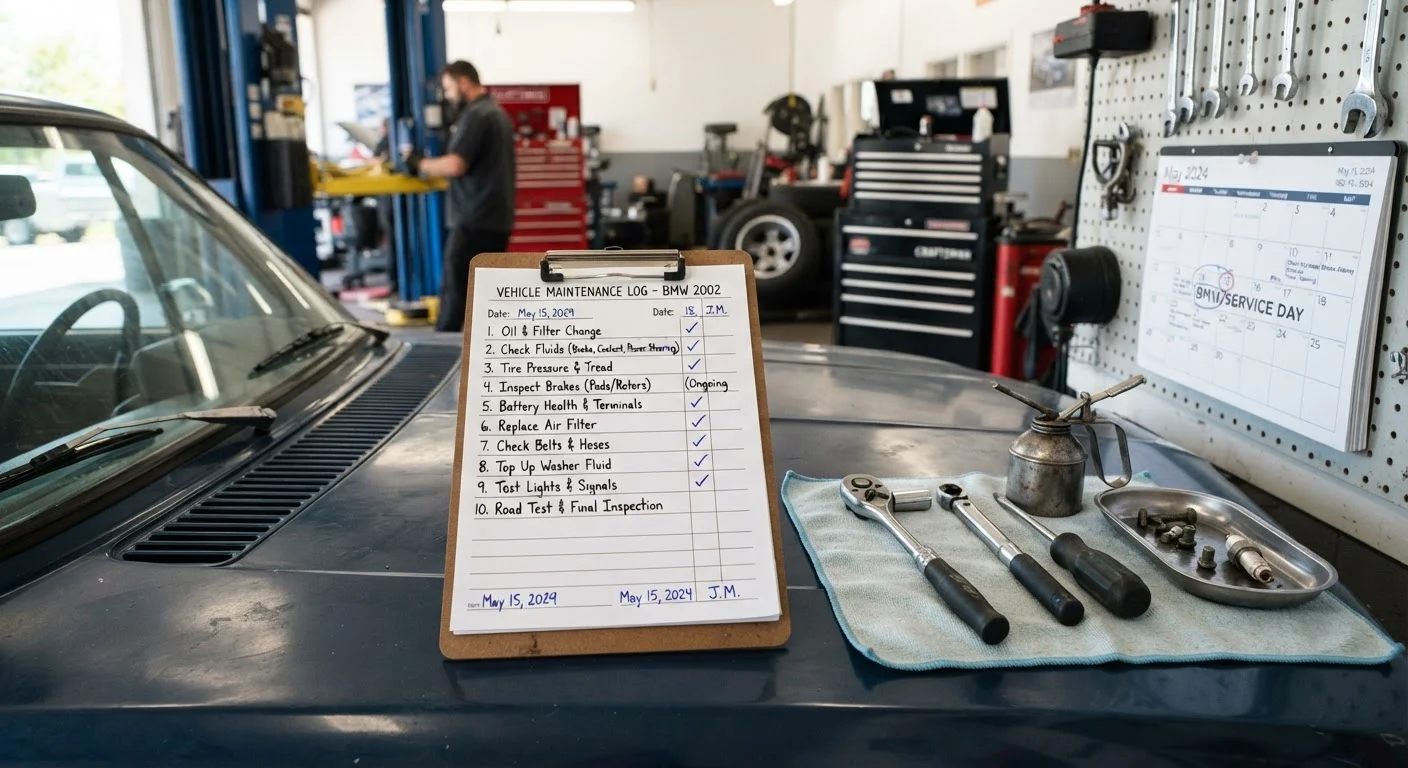
Photo: ResultsExplorer.com | Top Blogs For Everyone editorial
Key Takeaways
- Different maintenance tasks have very different intervals - from weekly tire checks to 100,000-mile timing belt replacements.
- Your owner's manual is the definitive source for your specific vehicle's service schedule.
- Skipping small services often accelerates wear on more expensive components.
- Many routine checks take only minutes and require no special tools.
- Seasonal inspections complement mileage-based services and catch weather-related wear.
Why a Maintenance Timeline Matters
A car is made up of hundreds of systems that degrade at different rates. Brake pads wear down gradually over thousands of miles; tire pressure can drop overnight in cold weather; engine oil breaks down whether you drive frequently or not. A structured maintenance timeline gives you a framework to address each of these systems before they become problems.
Most drivers understand that oil changes matter, but fewer realize how much the full schedule - spanning weekly, monthly, mileage-based, and annual intervals - affects long-term reliability and safety. Skipped services follow a predictable pattern: small issues compound into major repairs over time. Knowing what gets checked and when puts you ahead of that curve.
Important: Always consult your vehicle's owner's manual. Intervals listed here reflect common guidance but vary significantly by make, model, year, and driving conditions.
Weekly and Monthly Checks
The most frequent checks are also the simplest. Building a brief inspection habit into your routine takes just a few minutes and can catch developing issues early.
Weekly
- Tire pressure: Tires lose roughly 1 PSI per month under normal conditions and faster in cold weather. Check cold pressure (before driving) against the spec on the door jamb sticker - not the sidewall number.
- Visual walkaround: Look for obvious damage, low tires, fluid spots under the car, or lights that have burned out.
Monthly
- Engine oil level: Pull the dipstick with the engine off. Oil that looks very dark or smells burnt may be due for a change sooner than the mileage interval suggests.
- Coolant level: Check the overflow reservoir when the engine is cold only - never open a hot radiator cap.
- Wiper blades: Inspect for cracking or streaking, especially before rain seasons.
- Exterior lights: Have someone walk around while you cycle through headlights, brake lights, turn signals, and reverse lights.
Check tire pressure on cold tires - before you've driven more than a mile. Driving heats the air inside tires and raises pressure readings, which can lead you to underinflate.
When in doubt about an interval, use the more conservative schedule in your owner's manual - especially if you frequently drive in stop-and-go traffic, extreme temperatures, or tow loads.
Every 3,000-7,500 Miles: Oil and Fluid Services
Oil change intervals have evolved significantly. Older guidance of 3,000 miles applied to conventional oil in older engines. Many modern vehicles using full synthetic oil can go 7,500 to 10,000 miles - or more - between changes. Your owner's manual and your vehicle's oil life monitor (if equipped) are the most reliable guides.
What's typically done at this interval:
- Engine oil and filter change: Fresh oil maintains lubrication, controls heat, and removes contaminants.
- Tire rotation: Rotating tires every 5,000-7,500 miles evens out wear patterns and extends tire life.
- Brake inspection: A visual check of pad thickness and rotor condition takes only minutes and can flag wear before it becomes unsafe.
- Top off fluids: Windshield washer fluid, power steering fluid (if applicable), and brake fluid levels should be checked and corrected.
1 PSI
Typical monthly tire pressure loss
The U.S. Department of Energy notes tires lose about 1 PSI per month under normal conditions, and more rapidly in cold weather.
~$1,200+
Average timing belt replacement cost
Timing belt replacement is expensive, but timing belt failure on an interference engine can result in engine damage costing several times that amount.
Up to 40%
Battery capacity loss in cold weather
Cold temperatures can reduce a car battery's effective capacity by up to 40%, according to automotive engineering sources, making pre-winter testing important.
Every 15,000-30,000 Miles: Mid-Interval Services
This range introduces components that need attention less frequently but are critical to vehicle performance and safety.
- Air filter (engine): A clogged air filter reduces fuel efficiency and engine performance. Many drivers can replace this themselves - it's one of the simpler DIY tasks.
- Cabin air filter: Keeps dust and allergens out of the passenger compartment. Often accessible without tools.
- Brake fluid: Absorbs moisture over time, which lowers its boiling point. Most manufacturers recommend replacement every 2 years or 30,000 miles.
- Battery inspection: Terminals should be clean and corrosion-free; voltage output can be tested at most auto parts stores for free.
- Belts and hoses: Visually inspect serpentine belts for cracking or fraying. Coolant hoses should feel firm, not soft or brittle.
For a balanced view on which of these tasks you can handle at home versus when to involve a mechanic, see our guide on handling car maintenance yourself.
Every 60,000-100,000 Miles: Major Long-Interval Services
These are the services that many drivers either don't know about or defer too long. They represent the most significant wear items on a vehicle's drivetrain and ignition systems.
- Spark plugs: Conventional plugs may need replacement around 30,000-60,000 miles; iridium or platinum plugs can last 100,000 miles. Worn plugs affect fuel economy and starting reliability.
- Timing belt: Not all vehicles have one - many use a timing chain instead. If your engine has a timing belt, failure is catastrophic and replacement (typically 60,000-100,000 miles) is non-negotiable. Check your owner's manual.
- Transmission fluid: Automatic transmissions may need fluid changes every 60,000-100,000 miles depending on type and driving conditions. Neglecting this can lead to expensive transmission damage.
- Coolant flush: Antifreeze degrades and becomes acidic over time, corroding cooling system components. A full flush and refill is typically recommended every 5 years or 100,000 miles.
- Wheel alignment and suspension: After significant mileage, bushings, shocks, and struts wear. Uneven tire wear or a car that pulls to one side are common indicators.
Note: These services should be performed by a qualified mechanic. Improper timing belt installation, for example, can cause severe engine damage.
Seasonal and Annual Checks
Mileage-based intervals don't account for everything. Temperature swings, road salt, UV exposure, and seasonal driving patterns all place specific demands on different components. A seasonal inspection habit complements your mileage schedule.
Our dedicated guide to what to inspect on your car as the seasons change covers this in detail, but key annual checks include:
- Battery: Cold weather significantly reduces battery capacity. Have batteries older than 3-4 years load-tested before winter.
- Tires: Check tread depth with a tread depth gauge or the penny test. Consider seasonal tire swaps if you live in a region with significant winter weather.
- Brakes: Salt and moisture accelerate rotor corrosion in northern climates. An annual brake inspection is a sound baseline regardless of mileage.
- HVAC system: Test heating before winter and air conditioning before summer - refrigerant leaks and blower motor issues are easier to address before you need the system urgently.
Staying Organized and On Track
The biggest challenge with car maintenance isn't knowing what needs to be done - it's keeping track of it all. A few simple systems help:
- Mileage log: Record the mileage and date of every service. A small notebook in the glovebox or a note on your phone works fine.
- Owner's manual schedule: The back of most owner's manuals includes a maintenance schedule table. Mark it up.
- Service records: Keep receipts from every shop visit. These matter for resale value and warranty claims.
Car maintenance is just one layer of responsible ownership. Keeping your registration current, understanding your insurance coverage, and knowing your servicing deadlines are equally important. Our guide on keeping on top of car admin brings those pieces together in one place.
For broader context on car ownership basics - from insurance to understanding vehicle costs - that hub is a useful starting point for newer drivers.
This article is for general informational purposes only. Always consult your vehicle's owner's manual and a qualified mechanic for service recommendations specific to your make, model, and driving conditions.
The content provided on our blog site traverses numerous categories, offering readers valuable and practical information. Readers can use the editorial team’s research and data to gain more insights into their topics of interest. However, they are requested not to treat the articles as conclusive. The website team cannot be held responsible for differences in data or inaccuracies found across other platforms. Please also note that the site might also miss out on various schemes and offers available that the readers may find more beneficial than the ones we cover.