
Depreciation and Your Car: Why Value Drops and What It Means for Owners

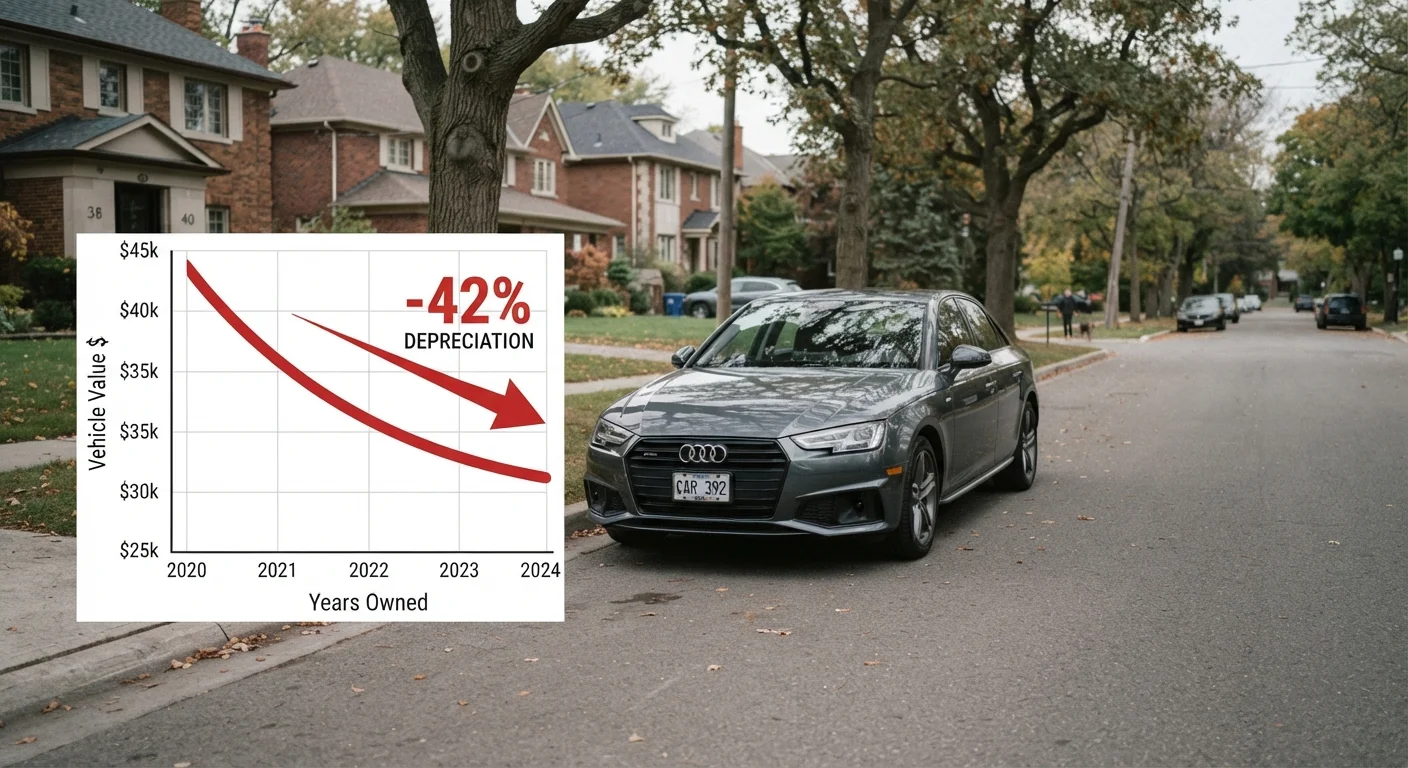
Photo: ResultsExplorer.com | Top Blogs For Everyone editorial
Key Takeaways
- New vehicles typically lose a significant portion of their value within the first few years of ownership.
- Depreciation affects your insurance payout, loan balance, and resale price - not just abstract worth.
- Mileage, condition, brand reputation, and market demand all influence how fast a car depreciates.
- Understanding depreciation helps owners time purchases, sales, and financing more wisely.
- Gap insurance exists specifically to cover the difference between a car's depreciated value and what you owe.
What Depreciation Actually Means for Car Owners
Depreciation is the gradual loss of your vehicle's market value over time. Unlike a mortgage where you're building equity, a car loan works against a shrinking asset - the vehicle is worth less each year, regardless of how well you care for it.
For most drivers, depreciation is the single largest cost of ownership, often exceeding fuel and insurance combined. Yet because it doesn't arrive as a bill, it's easy to overlook. Understanding it is essential to grasping the true cost of owning a car beyond the purchase price.
Depreciation is relevant in several practical situations: when you sell or trade in your car, when an insurer settles a total-loss claim, and when you're deciding how much to borrow for a vehicle purchase.
~20%
Average first-year value loss for new vehicles
Industry estimates commonly suggest new cars lose around 15-20% of their value in the first year, with cumulative losses reaching higher percentages by year five.
~50%
Typical 5-year depreciation for many models
Many standard passenger vehicles retain roughly half their original value after five years, though this varies considerably by make, model, and market conditions.
$3,000+
Estimated annual depreciation cost per vehicle
The American Automobile Association (AAA) has consistently identified depreciation as one of the top ownership expenses, estimating it at thousands of dollars per year for average new vehicles.
Why Cars Lose Value: The Key Drivers
Several factors determine how quickly a vehicle depreciates:
- Age: Newer model years are generally preferred by buyers, pushing older vehicles lower in price.
- Mileage: Higher odometer readings signal more wear and a shorter remaining useful life. Lenders and private buyers both factor this in.
- Condition: Dents, interior wear, and deferred maintenance all reduce resale appeal and value.
- Brand and model reputation: Vehicles from brands with strong reliability track records tend to hold value better in the resale market.
- Market demand: Consumer preferences shift. A model that's popular today may be less sought-after in a few years, accelerating its depreciation.
- Fuel type and economy: Market conditions - like fuel prices - can affect demand for certain vehicle types, which in turn affects resale values.
These factors interact, meaning a low-mileage, well-maintained vehicle from a brand with a strong reputation will generally depreciate more slowly than the average.
Depreciation and Your Insurance Coverage
When an insurer declares a vehicle a total loss, the settlement is typically based on actual cash value (ACV) - the car's depreciated market value at the time of the loss, not what you paid for it. This is a point many drivers misunderstand, as explored in our look at common car insurance myths.
If you financed a vehicle and it's totaled early in the loan term, you may owe more to the lender than the insurer pays out. This gap - between the loan payoff amount and the ACV settlement - is what gap insurance is designed to cover. Gap coverage is a separate, optional add-on that is worth understanding before you decline it.
Your auto insurance premium can also be influenced by vehicle value - newer or higher-value cars generally cost more to insure for comprehensive and collision coverage.
This article provides general educational information about vehicle depreciation and is not personalized financial, insurance, or legal advice. Consult a licensed professional for guidance specific to your situation.
Depreciation in Financing and Resale Decisions
Being "underwater" on a car loan - owing more than the vehicle is worth - is a direct consequence of depreciation outpacing loan payoff. This can happen when buyers put little or nothing down, choose long loan terms, or purchase vehicles that depreciate quickly.
If you want to sell or trade in early while underwater, you'll need to cover the difference out of pocket or roll it into a new loan, adding to future debt. Recognizing this risk upfront is part of being a financially prepared car owner, a topic covered in depth in our annual car ownership cost breakdown.
Depreciation also matters when timing a sale. Selling a vehicle before its value drops too sharply - typically around years three to five - can maximize your return, though life circumstances and total ownership costs should drive this decision, not depreciation alone.
Protect Resale Value With Good Records
Frequently Asked Questions
The content provided on our blog site traverses numerous categories, offering readers valuable and practical information. Readers can use the editorial team’s research and data to gain more insights into their topics of interest. However, they are requested not to treat the articles as conclusive. The website team cannot be held responsible for differences in data or inaccuracies found across other platforms. Please also note that the site might also miss out on various schemes and offers available that the readers may find more beneficial than the ones we cover.