
The True Cost of Owning a Car Beyond the Sticker Price

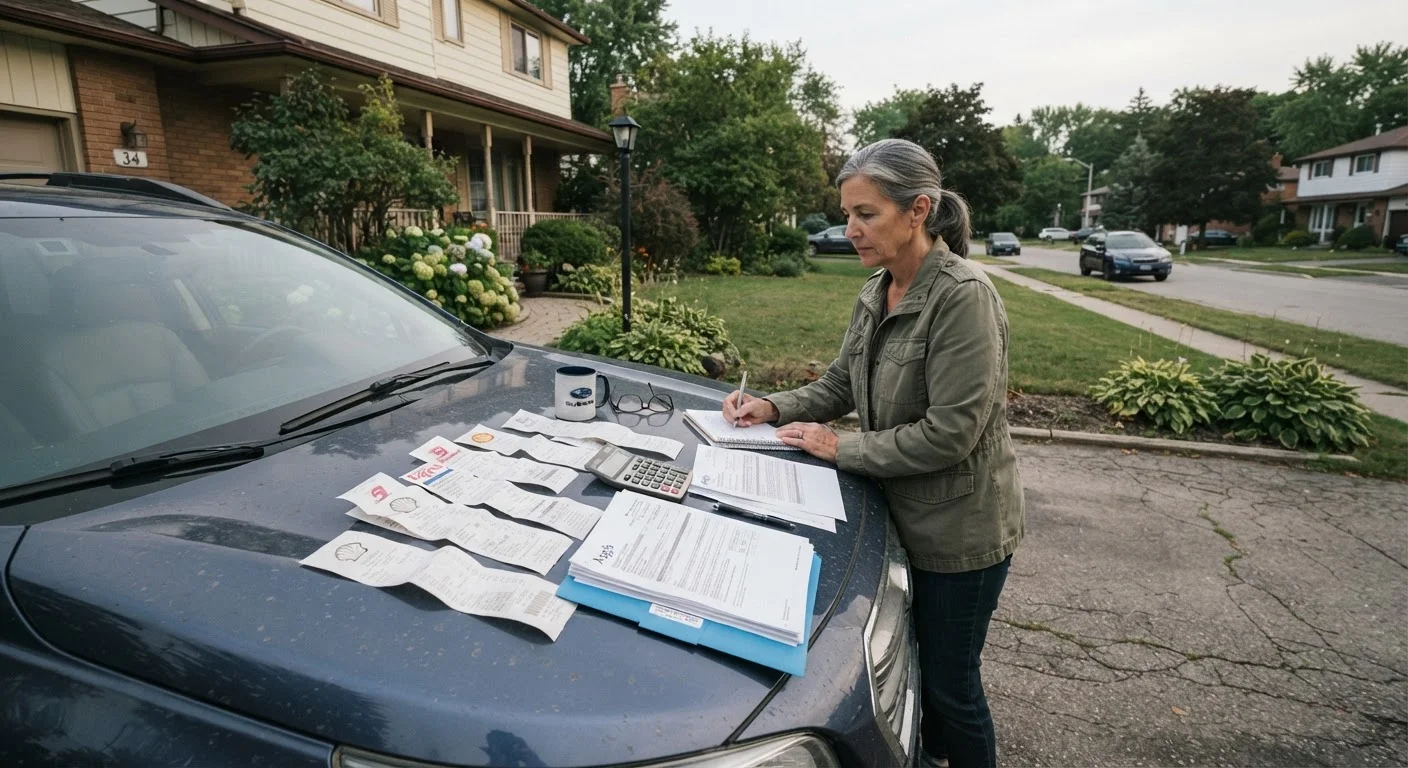
Photo: ResultsExplorer.com | Top Blogs For Everyone editorial
Key Takeaways
- The purchase price typically represents only a fraction of what a car costs over its lifetime.
- Depreciation is usually the single largest cost of owning a new vehicle.
- Fuel, insurance, maintenance, and registration are recurring costs that vary widely by vehicle type and location.
- Loan interest can add thousands of dollars to your total ownership cost.
- Planning for the full cost picture helps avoid financial surprises after buying.
Why the Sticker Price Is Only the Starting Point
When most people budget for a new car, they focus on the number on the window sticker - or the monthly payment. That's understandable, but it only tells part of the financial story. A vehicle's purchase price is a one-time cost; what follows is a stream of ongoing expenses that continue for as long as you own the car.
For context, consider that a modest vehicle priced at $28,000 might cost its owner well over $50,000 in total over five years once all ownership expenses are factored in. Understanding where those additional dollars go helps you plan more accurately - and avoid being caught off guard after the sale is complete.
If you want a structured breakdown of how these costs stack up annually, the annual car ownership costs reference covers each expense category in detail.
~20%
New car value lost in year one
Many new vehicles lose approximately 15-25% of their value within the first 12 months of ownership, according to industry depreciation estimates.
$9,000+
Estimated average annual ownership cost
Industry analyses of typical US car ownership costs - including fuel, insurance, maintenance, and depreciation - have placed annual figures in the $9,000-$12,000 range for a standard sedan.
50%+
Value lost over five years on many new vehicles
Depending on make, model, and market conditions, some vehicles retain as little as 40-50% of their original purchase price after five years.
The Big Costs: Depreciation, Financing, and Insurance
Depreciation is the largest ownership cost most drivers never directly pay - and therefore the easiest to ignore. A new car loses value the moment it leaves the dealership lot. By the end of the first year, many vehicles have lost 15-25% of their original value. By the fifth year, some are worth less than half what was originally paid. This matters most when you sell or trade in the vehicle, since you receive less than you spent. Our dedicated article on depreciation and car value explains the mechanics in full.
Loan interest adds real dollars to your total if you finance the purchase. Depending on the loan term, interest rate, and down payment, financing a vehicle can add several thousand dollars to what you ultimately pay. For a clear comparison of the financial trade-offs between financing and paying cash, see our article on financing a car vs. paying cash.
Auto insurance is both legally required in nearly every US state and highly variable in cost. Premiums depend on your driving record, age, location, vehicle type, and coverage level. It's a recurring annual cost that deserves a realistic estimate before you commit to a specific car.
Get Insurance Quotes Before You Commit
Recurring Costs: Fuel, Maintenance, and Registration
Fuel is the cost drivers feel most directly and most often. A vehicle's fuel efficiency - measured in miles per gallon (MPG) - has a compounding effect on ownership costs. A vehicle that gets 25 MPG rather than 35 MPG can cost hundreds of dollars more per year in fuel alone, depending on how much you drive and local gas prices.
Routine maintenance - oil changes, tire rotations, brake inspections, filter replacements, and fluid top-ups - keeps your vehicle running safely and preserves its value. Skipping scheduled maintenance to save money in the short term often leads to more expensive repairs later. The car maintenance hub covers the essential upkeep tasks every owner should understand.
Registration and taxes vary significantly by state. Annual registration fees, personal property taxes (in states that charge them), and periodic emissions testing fees are easy to overlook but add up reliably each year.
Tires are a periodic but significant expense. A full set of replacement tires on a mid-size vehicle can run several hundred dollars, and driving habits, road conditions, and vehicle weight all affect how quickly they wear.
Thinking Long-Term: What Total Ownership Really Means
Viewing car ownership over a five- or ten-year horizon changes the financial picture significantly. A vehicle that costs less to buy but has higher fuel costs, more frequent repairs, or faster depreciation may cost more in total than a slightly pricier model with better long-term economics.
Leasing is one alternative some drivers consider to manage upfront costs and avoid depreciation risk - though it comes with its own trade-offs around equity and mileage. Our explainer on leasing vs. buying a car walks through how those comparisons work.
If you are new to car ownership, it's worth reading about what new drivers often underestimate - the surprises that catch first-time owners off guard are often the costs discussed here. And for those already owning a vehicle, managing car costs over the long term offers practical, evidence-backed approaches to keeping expenses in check without compromising safety.
Understanding the full cost of ownership is not about discouraging car purchases - it's about making the decision with clear eyes. A well-informed buyer is better positioned to choose a vehicle that genuinely fits their budget, not just their payment window.
Frequently Asked Questions
The content provided on our blog site traverses numerous categories, offering readers valuable and practical information. Readers can use the editorial team’s research and data to gain more insights into their topics of interest. However, they are requested not to treat the articles as conclusive. The website team cannot be held responsible for differences in data or inaccuracies found across other platforms. Please also note that the site might also miss out on various schemes and offers available that the readers may find more beneficial than the ones we cover.