
Home Maintenance

Home Maintenance Tasks Homeowners Routinely Get Wrong

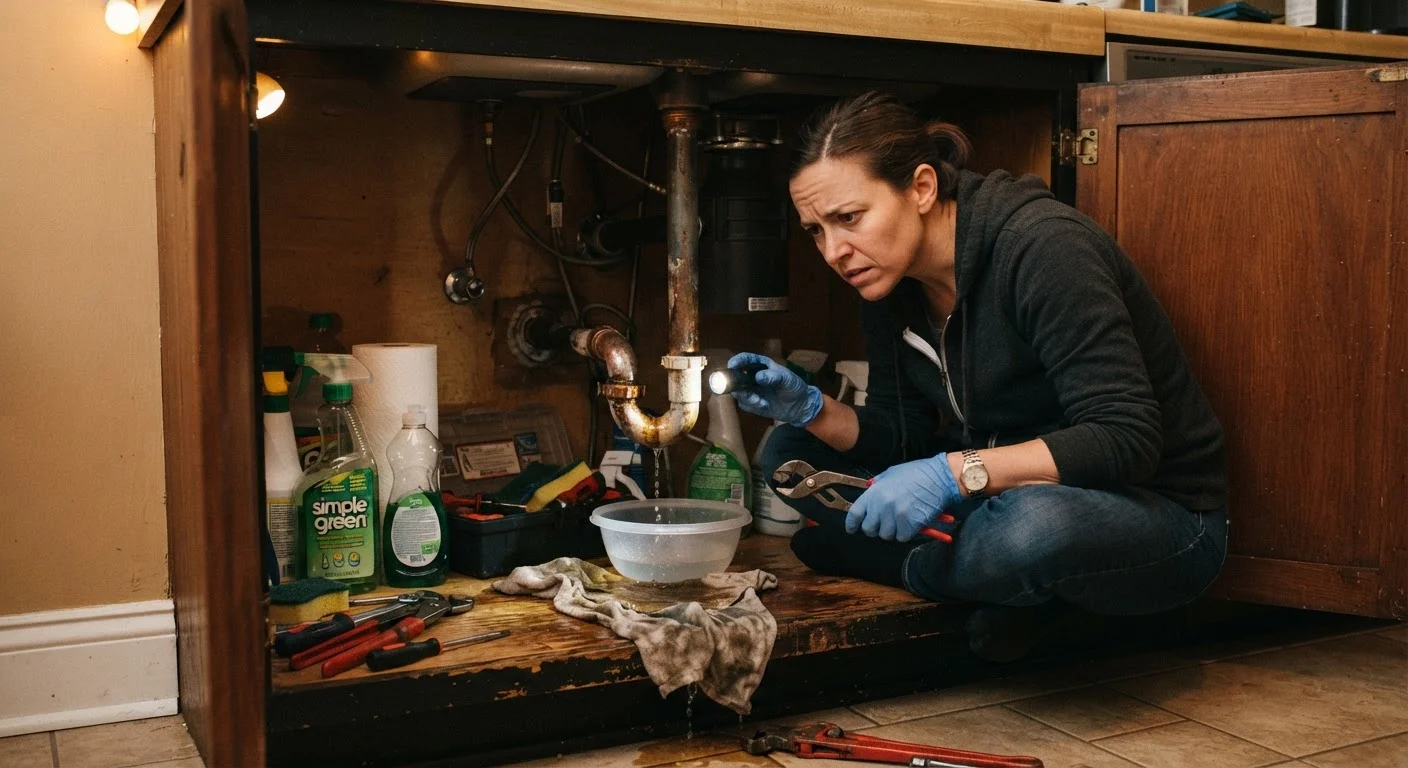
Home Maintenance Tasks Homeowners Routinely Get Wrong

Photo: ResultsExplorer.com | Top Blogs For Everyone editorial

From over-tightening fixtures to painting over rot, these common missteps often make problems worse rather than better.

Key Takeaways

  • Over-tightening plumbing connections is one of the most common causes of cracked fittings.
  • Painting over rotted or moist wood traps damage and accelerates structural decay.
  • Skipping caulk inspection around windows and doors is a leading cause of hidden water intrusion.
  • Using chemical drain cleaners regularly can degrade pipes over time rather than protect them.
  • Neglecting HVAC filter changes reduces air quality and strains the entire system.

Why Good Intentions Lead to Costly Mistakes

Most home maintenance errors don't come from laziness — they come from reasonable-sounding logic applied in the wrong situation. A homeowner who tightens a leaky fitting a little more, paints over a rough patch, or reaches for a drain cleaner at the first sign of trouble is doing something, which generally feels better than doing nothing. The problem is that the wrong action can entrench a problem rather than resolve it.

Understanding why these missteps happen is just as useful as knowing what to do instead. The mistakes below cover some of the most common maintenance errors in US homes, along with the reasoning that leads people into them and clear guidance on better approaches. For a broader picture of upkeep that often gets overlooked entirely, see our guide to lesser-known structural maintenance tasks.

Know When to Call a Licensed Professional

Some maintenance tasks — particularly those involving electrical systems, gas lines, structural elements, or load-bearing walls — carry real safety and legal risks if done incorrectly. Always consult a licensed tradesperson for work that requires permits or that you are not fully confident handling. See our guide on DIY vs. hiring a tradesperson to understand where that line falls.

Common Maintenance Mistakes — and How to Correct Them

1

Over-tightening plumbing connections and supply line fittings.

Why it happens: Homeowners assume tighter means more secure, especially after noticing a drip. The instinct is to keep turning until it stops.
How to avoid: For most threaded plumbing connections, hand-tight plus a quarter to half turn with a wrench is sufficient. If a connection still drips, the issue is likely a worn washer or damaged seat — not insufficient torque. Replace the internal component rather than forcing the fitting further.
2

Painting over rotted, damp, or mould-affected wood surfaces.

Why it happens: Fresh paint looks like a solution because it covers the problem visually. Many homeowners either miss the underlying damage or underestimate how quickly trapped moisture accelerates decay.
How to avoid: Always probe suspect areas with a screwdriver or awl before painting. Sound wood feels firm; rotted wood yields easily. Remove and replace deteriorated material, allow surfaces to dry fully, and apply an appropriate primer before topcoating. See our interior painting preparation guide for the full prep process.
3

Skipping annual caulk inspection around windows, doors, and exterior penetrations.

Why it happens: Caulk looks permanent once applied and rarely fails dramatically — it simply shrinks, cracks, and separates over time in ways that are easy to overlook.
How to avoid: Walk the exterior of your home each fall looking for gaps, cracks, or missing sections of caulk at every point where two different materials meet. Recaulk any compromised sections with an appropriate exterior-grade sealant. This is one of the highest-return maintenance tasks for preventing water intrusion. Our water damage indicator guide explains what early intrusion looks like inside.
4

Neglecting or infrequently replacing HVAC air filters.

Why it happens: Filters are out of sight and the consequences of neglect build gradually rather than triggering an immediate, obvious failure.
How to avoid: Set a recurring calendar reminder based on your filter type and household conditions — typically every one to three months for standard 1-inch filters. A clogged filter forces your system to work harder, raises energy costs, reduces indoor air quality, and shortens equipment life. Pair this habit with an annual professional HVAC inspection.
5

Using chemical drain cleaners as a routine maintenance tool.

Why it happens: They are widely available and produce fast, visible results, which makes them feel like a simple fix. Many homeowners reach for them at the first sign of a slow drain.
How to avoid: Reserve chemical cleaners for genuine blockages and use them sparingly. For regular upkeep, a drain snake or a monthly flush with hot water is gentler and equally effective at preventing buildup. Enzyme-based cleaners offer a safer middle ground for recurring slow drains.
6

Ignoring early signs of gutter blockage or separation from the fascia.

Why it happens: Gutters are high up and easy to forget until overflow becomes visible during heavy rain — by which time water may have already been directing toward the foundation or behind the siding for some time.
How to avoid: Clear gutters at least twice a year — typically in late spring and late fall — and check that downspouts discharge water at least three feet from the foundation. While cleaning, check that gutters are still properly pitched toward downspouts and firmly attached. Our gutter maintenance guide covers what's actually at stake when this is skipped.

Staying ahead of these errors pays off disproportionately. Small, correct actions — a filter swap, a caulk bead, a proper fitting torque — cost very little compared to the water damage, mould remediation, or system replacement they prevent. Our article on the hidden costs of deferred maintenance puts specific numbers to what delayed upkeep typically produces.

Chemical Drain Cleaners Can Cause Long-Term Damage

Caustic or acid-based drain cleaners work by generating heat and chemical reactions inside your pipes. Used repeatedly, they can soften PVC, corrode older metal pipes, and damage rubber gaskets. For routine drain maintenance, mechanical methods or enzyme-based cleaners are generally safer choices. Learn more in our drain care guide.

If you're unsure how frequently to tackle these and other routine tasks, our home maintenance schedule reference offers a practical, prioritized framework to work from. And if a task is turning out to be more complex than expected, knowing when to hand it to a licensed tradesperson can save you from compounding the original problem.

~$10,000

Average cost of water damage repairs per incident

According to the Insurance Information Institute, water damage and freezing account for a significant share of homeowner insurance claims, with average costs frequently reaching five figures.

1–3 months

Recommended HVAC filter replacement interval

The U.S. Department of Energy suggests replacing standard 1-inch HVAC filters every one to three months depending on household conditions such as pets and dust levels.

Home & Garden Editorial Team

ResultsExplorer.com | Top Blogs For Everyone

Home & Garden Editorial Team is the collective byline for our editorial team and contributor network. Articles published under this byline or an editorial pen name are researched, written, and reviewed according to our editorial standards for clarity, consistency, and independence before publication.

Home MaintenanceGarden & OutdoorsHome Improvement
View author profile

The content provided on our blog site traverses numerous categories, offering readers valuable and practical information. Readers can use the editorial team’s research and data to gain more insights into their topics of interest. However, they are requested not to treat the articles as conclusive. The website team cannot be held responsible for differences in data or inaccuracies found across other platforms. Please also note that the site might also miss out on various schemes and offers available that the readers may find more beneficial than the ones we cover.