
Reading Your Home Like a Pro: Signs of Water Damage You Shouldn't Ignore

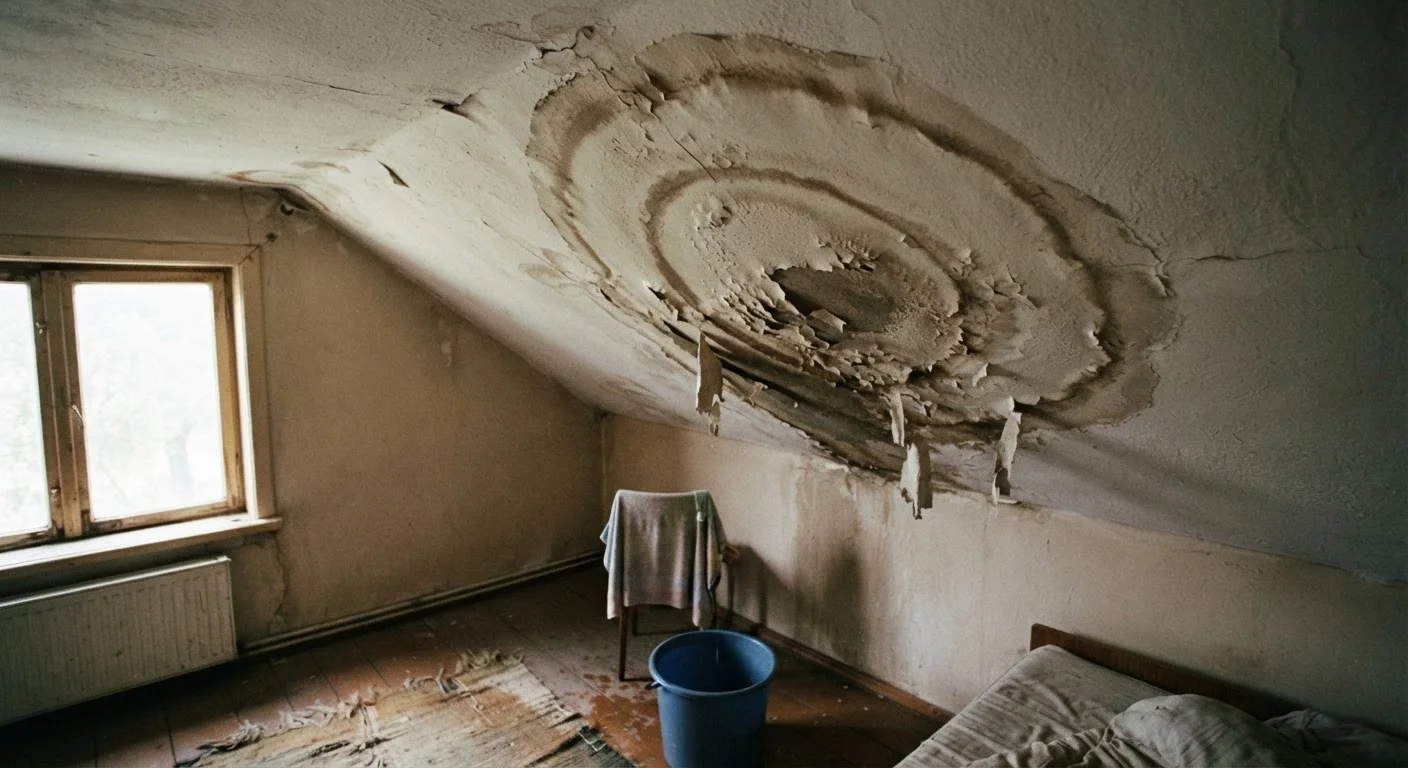
Photo: ResultsExplorer.com | Top Blogs For Everyone editorial
Why Early Detection Matters
Water damage is one of the most expensive problems a homeowner can face - and one of the most preventable. The challenge is that it rarely announces itself loudly. Instead, it advances quietly behind walls, under floors, and above ceilings, gaining ground while you go about daily life.
Catching water intrusion early can be the difference between a straightforward repair and a major structural overhaul. As our guide on deferred maintenance costs explains, small neglected problems compound fast. Knowing what to look for - and where - puts you in control before damage escalates.
Visual Clues: What Your Walls and Ceilings Are Telling You
Your eyes are your first diagnostic tool. Start by scanning these areas regularly:
- Staining and discoloration: Yellow or brown rings on ceilings or walls are classic signs of water having soaked through and dried - repeatedly. A single stain may indicate a past leak that was fixed; multiple rings suggest an ongoing problem.
- Bubbling or peeling paint: Moisture trapped beneath a painted surface causes the paint film to lift. This is especially common near windows, exterior walls, and bathrooms. Don't paint over it - that only masks the symptom. See our article on interior wall preparation for why surface prep matters.
- Warped or bowing drywall: Drywall that has absorbed moisture swells, warps, or develops a soft, spongy feel when pressed. Any give in a wall or ceiling surface warrants immediate investigation.
- Efflorescence on masonry: White, chalky deposits on concrete, brick, or block walls indicate water is moving through the material and depositing dissolved minerals on the surface. Common in basements and crawl spaces.
What You Can Smell, Feel, and Hear
Not all water damage is visible. Train your other senses too:
- Musty or earthy odors: A persistent musty smell - even without visible mold - often signals hidden moisture and biological growth inside wall cavities, under flooring, or in crawl spaces. Don't dismiss it as "old house smell."
- Soft spots in floors: Walk slowly across wooden floors and note any areas that flex, bounce, or feel spongy underfoot. Subfloor deterioration from prolonged moisture exposure is a serious structural concern.
- Running water sounds: Hearing water movement when no fixtures are in use is a red flag. Turn off all water in the home and check your water meter - if it continues moving, you likely have a hidden leak.
Efflorescence
White or grey chalky deposits left on masonry surfaces when water moves through the material and evaporates, leaving dissolved minerals behind. It signals active moisture migration through walls.
Subfloor
The structural layer of flooring beneath the finished surface (tile, hardwood, carpet). When the subfloor absorbs moisture over time, it can warp, delaminate, or rot, weakening the floor structure.
Drywall (Gypsum Board)
The sheet material used to form interior walls and ceilings. Drywall absorbs water readily and loses structural integrity when wet, becoming soft, moldy, and prone to crumbling.
Water Intrusion
The unwanted entry of water into a building's interior through gaps, cracks, failed seals, or porous materials. It is the root cause of most interior water damage scenarios.
Mold
Fungal growth that develops on wet organic materials such as wood, drywall, and insulation. Mold can begin colonizing surfaces within 24-48 hours of sustained moisture exposure.
Overlooked maintenance tasks like crawl space inspections can reveal moisture problems long before they reach living areas. Our guide to lesser-known structural maintenance jobs covers exactly where these checks matter most.
High-Risk Zones to Inspect Regularly
Certain areas of a home are disproportionately vulnerable. Make these part of your routine walkthrough:
- Under sinks and around toilets: Check cabinet floors and base connections for staining, swelling, or cabinet material that crumbles when touched.
- Around windows and doors: Failed caulking and deteriorated weatherstripping allow rain and condensation to enter wall assemblies slowly over time.
- Attic and roof deck: After heavy rain, inspect the attic for wet insulation, dark staining on sheathing, or daylight visible through the roof decking.
- Basement walls and floor-wall joints: Water infiltration in basements often enters at the joint between the floor slab and foundation wall - look for staining, efflorescence, or white mineral streaks.
- Around appliances: Dishwashers, refrigerators with ice makers, and washing machines are common sources of slow leaks. Pull them out periodically and inspect the floor beneath.
It's worth noting that some common responses - such as applying bleach to visible mold - may not address the underlying moisture source. Our article on home maintenance myths separates fact from folklore on topics like these.
When to Call a Professional
DIY inspection is valuable, but it has limits. Contact a licensed contractor or water damage specialist when you find:
- Mold covering more than a small, isolated area (typically cited as 10 square feet or more in EPA guidance)
- Structural softness in floor joists, wall framing, or roof sheathing
- Water intrusion that you cannot trace to a clear source
- Any damage near electrical panels, wiring, or HVAC equipment
Electrical and structural work involving water damage almost always requires professional assessment and, depending on your jurisdiction, permits and inspections. Verify local requirements before proceeding with any repair beyond basic surface fixes.
Proactive inspection is a habit worth building. Understanding which maintenance tasks homeowners get wrong can help you avoid compounding an existing problem when you do find damage.
The content provided on our blog site traverses numerous categories, offering readers valuable and practical information. Readers can use the editorial team’s research and data to gain more insights into their topics of interest. However, they are requested not to treat the articles as conclusive. The website team cannot be held responsible for differences in data or inaccuracies found across other platforms. Please also note that the site might also miss out on various schemes and offers available that the readers may find more beneficial than the ones we cover.