
Soil pH and Why Your Plants Are Struggling

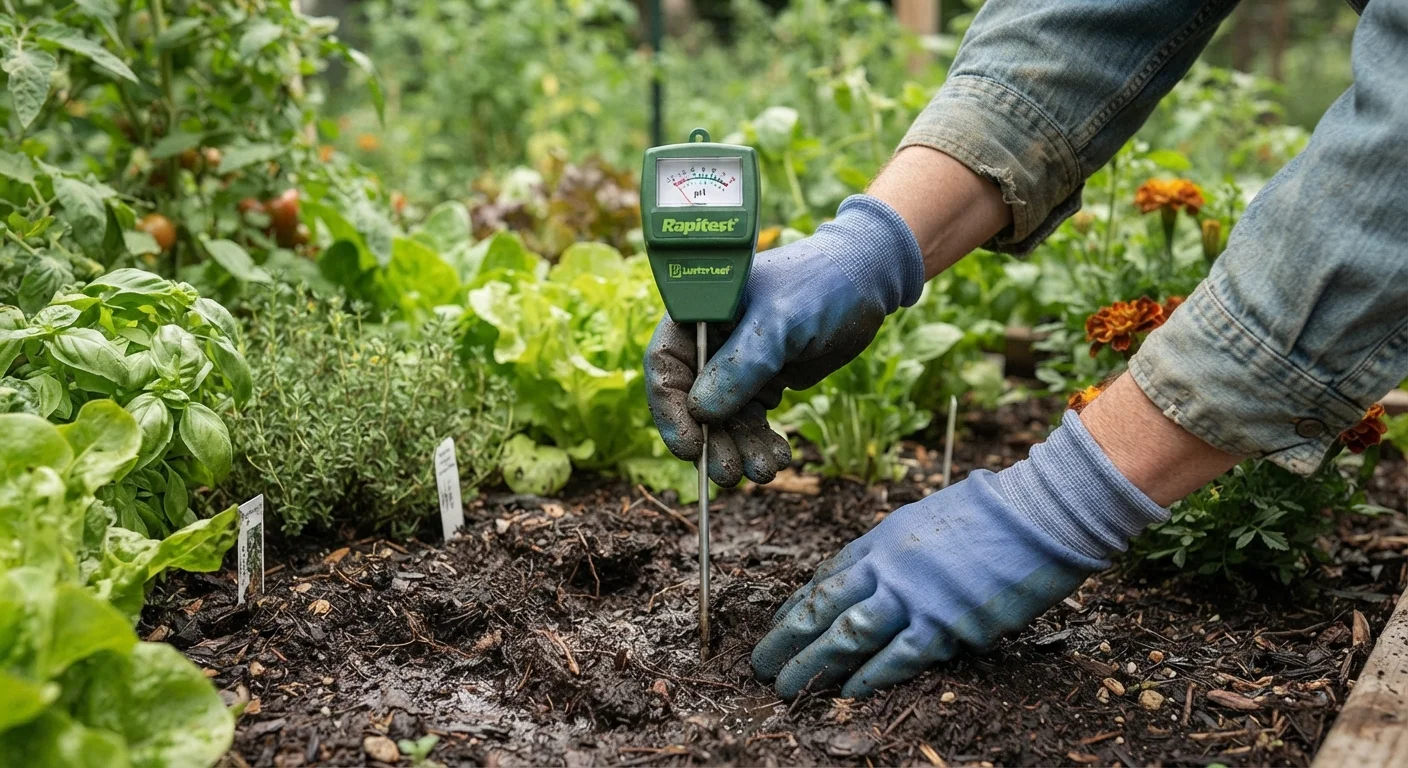
Photo: ResultsExplorer.com | Top Blogs For Everyone editorial
Key Takeaways
- Soil pH controls which nutrients plants can actually absorb, not just what's present in the soil.
- Most vegetables and ornamentals prefer a slightly acidic pH between 6.0 and 7.0.
- Yellowing leaves, stunted growth, and poor flowering can all be signs of a pH imbalance.
- Inexpensive home test kits or lab soil tests can reveal your soil's pH accurately.
- Lime raises pH; sulfur or acidifying amendments lower it - both require time to work.
- Raised beds give you the most control over soil pH from the start.
What Soil pH Actually Means
If you've ever watched plants struggle despite regular watering and fertilizing, soil pH may be the hidden culprit. The pH scale runs from 0 (extremely acidic) to 14 (extremely alkaline), with 7 sitting at neutral. Most cultivated garden plants - vegetables, perennials, lawns - prefer a range of roughly 6.0 to 7.0.
Think of pH as a gatekeeper. Even when your soil contains plenty of nitrogen, iron, or phosphorus, those nutrients become chemically locked out at extreme pH levels. Roots simply cannot absorb them. Fertilizing without fixing pH is a bit like pouring water into a leaking bucket - the inputs go in, but the benefits don't reach the plant.
pH Varies Across Your Garden
Signs Your Soil pH May Be Off
pH problems rarely announce themselves directly - instead, they show up as symptoms that mimic other issues:
- Yellowing leaves (chlorosis): Often caused by iron or manganese deficiency in alkaline soils, even when those minerals are physically present.
- Stunted or slow growth: Nutrient lockout starves plants of the building blocks they need to develop.
- Poor flowering or fruiting: Phosphorus becomes less available in highly acidic or alkaline conditions, affecting blooms and yield.
- Patchy, uneven growth: Inconsistent soil pH across a bed creates visibly uneven plant performance.
If seedlings transplanted into your beds seem to stall or decline, pH stress can compound transplant shock - learn more in our guide on why seedlings die after transplanting.
Test Before You Amend
How to Test Your Soil pH
Testing is the essential first step - adjusting without knowing your baseline can make things worse. You have two main options:
- Home test kits or meters: Affordable and available at most garden centers. They give a quick directional reading that's useful for catching obvious problems.
- Extension service lab tests: Many state university extension programs offer inexpensive mail-in soil tests that deliver precise pH readings alongside nutrient levels and amendment recommendations. This is the more reliable option before making significant changes.
Collect soil from multiple spots in your garden - 4 to 6 locations - and mix them together before testing. This gives a more representative picture of your entire planting area.
6.0-7.0
Optimal pH range for most garden vegetables
This is the range cited by university cooperative extension services across the US as supporting the broadest nutrient availability for common crops.
~60-90 days
Time for lime or sulfur to measurably shift pH
Soil amendment effects are gradual; extension guidelines generally recommend retesting after two to three months before applying additional amendments.
4.5-5.5
pH preferred by acid-loving plants like blueberries
Blueberries, azaleas, and rhododendrons require significantly more acidic conditions than most other garden plants to absorb iron and other micronutrients effectively.
How to Adjust Soil pH
Once you know your pH, you can take targeted action. Adjusting pH is not instant - plan ahead and retest before adding more amendment.
To raise pH (make soil less acidic):
Garden lime - either calcitic or dolomitic - is the standard amendment. Dolomitic lime also adds magnesium, which can benefit depleted soils. Work it into the top several inches of soil and allow weeks for it to take effect.
To lower pH (make soil more acidic):
Elemental sulfur is the most reliable long-term amendment. Acidifying fertilizers and organic matter like composted pine bark can also contribute to gradual acidification. Peat moss is sometimes used but has environmental trade-offs worth considering.
If you're starting a new growing space, getting pH right from the outset is far easier than correcting it later. Our raised beds vs. in-ground planting comparison covers how raised beds can give you a head start on soil control. For a full foundation-up approach, see our guide to starting a vegetable garden from nothing.
Plants With Special pH Preferences
Not every plant wants the same conditions. Knowing which plants prefer acidic or alkaline soil helps you group plantings strategically - or prepare separate beds accordingly.
| Plant / Group | Preferred pH Range |
|---|---|
| Blueberries, azaleas, rhododendrons | 4.5 - 5.5 (acidic) |
| Most vegetables (tomatoes, lettuce, beans) | 6.0 - 7.0 (slightly acidic) |
| Brassicas (cabbage, broccoli, kale) | 6.5 - 7.5 |
| Lavender, clematis, lilac | 6.5 - 7.5 (neutral to slightly alkaline) |
Planning a mixed garden with perennials and annuals? Grouping plants by shared pH preferences reduces the need for conflicting amendments in the same bed.
Frequently Asked Questions
The content provided on our blog site traverses numerous categories, offering readers valuable and practical information. Readers can use the editorial team’s research and data to gain more insights into their topics of interest. However, they are requested not to treat the articles as conclusive. The website team cannot be held responsible for differences in data or inaccuracies found across other platforms. Please also note that the site might also miss out on various schemes and offers available that the readers may find more beneficial than the ones we cover.