
Journalling for Mental Clarity: A Practical Starting Point

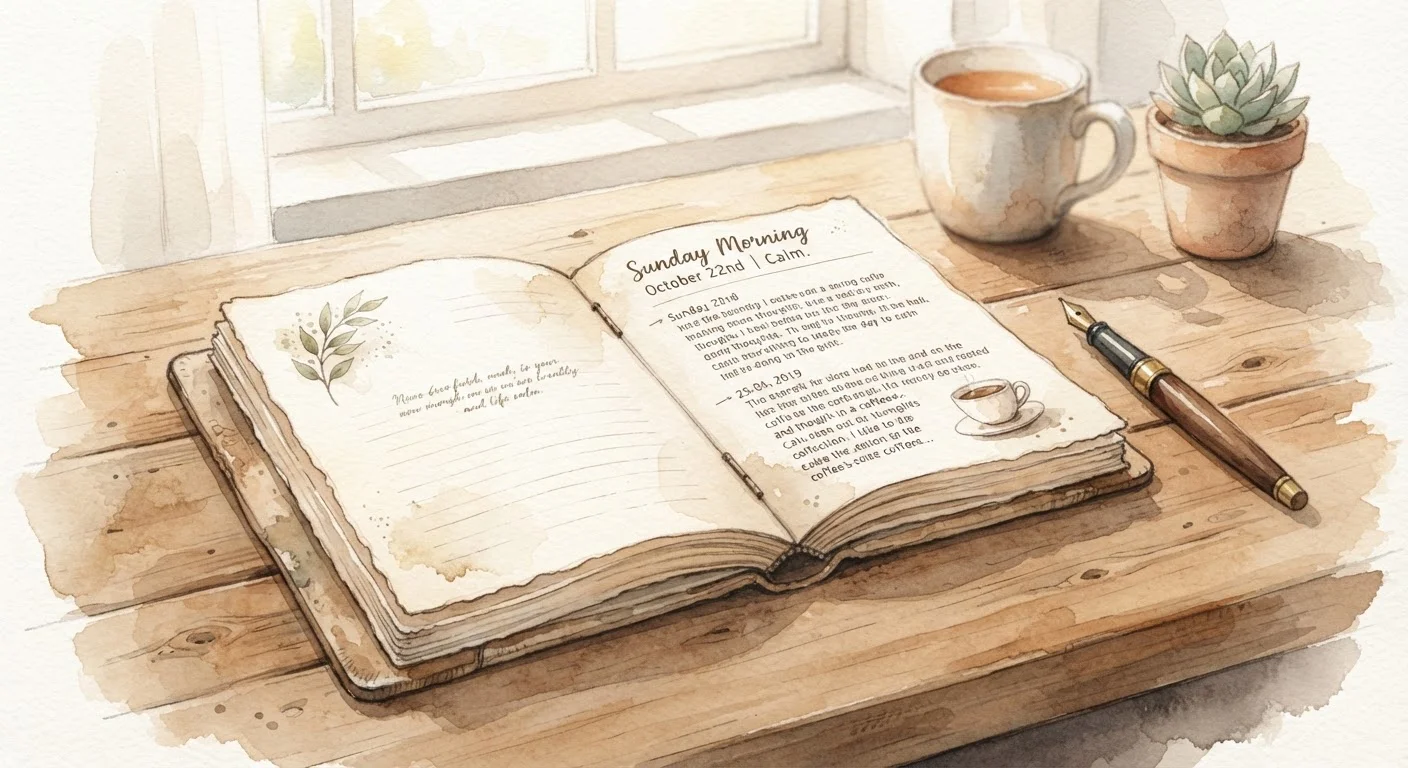
Photo: ResultsExplorer.com | Top Blogs For Everyone editorial
Key Takeaways
- Journalling is a research-supported tool for processing emotions and improving mental clarity.
- Consistency matters more than length - even five minutes a day can be meaningful.
- There is no single correct format; finding what works for you is part of the process.
- Journalling complements professional mental health support but does not replace it.
- Prompts and simple structure help beginners overcome the blank-page barrier.
Why Reflective Writing Supports Mental Well-Being
Writing about your thoughts and feelings isn't just a habit for diary-keepers - it's a practice with a meaningful body of research behind it. Studies in psychological science suggest that expressive writing can help people process difficult emotions, reduce rumination, and gain perspective on recurring stressors. The act of translating internal experience into words requires the brain to organise and sequence thoughts, which itself can create a sense of order and calm.
This doesn't mean journalling is a treatment for any mental health condition. It's better understood as a self-care tool - one that works alongside other healthy habits. For a broader look at where this fits into overall well-being, see our guide Mental Well-Being From the Ground Up.
What makes journalling particularly accessible is its low barrier to entry. No special equipment, training, or scheduled appointments are needed. The challenge most people face isn't understanding its value - it's knowing how to actually start and keep going.
Journalling Isn't the Same as Venting
What You'll Need Before You Begin
Getting set up takes less than a few minutes. The goal is to remove any friction that might derail a new habit before it takes root.
What you will need
Notebook or journal
Provides a dedicated, tangible space for writing that feels separate from screens and work.
Digital note-taking app
An alternative to paper journalling for those who type faster or prefer easy search and backup.
Prompt list or journalling guide
Gives beginners a starting point when the blank page feels overwhelming.
Timer
Helps beginners set a defined writing window so sessions feel manageable and low-pressure.
Step-by-Step: Building Your Journalling Practice
Follow these steps to move from a blank page to a sustainable, useful routine. If you're someone already working on building habits in limited time, the approach outlined in Building a Skill From Zero When You Have Almost No Free Time applies here too.
Choose your format and medium
Decide whether you prefer writing by hand or typing. Neither is superior - it comes down to what you'll actually do consistently. Handwriting slows thought and can encourage reflection; typing is faster and may suit people who think in bursts. Choose one medium and commit to it for at least two weeks before switching.
Set a small, realistic time commitment
Begin with just five minutes per session. Many people overcommit at the start and then quit when a lengthy entry feels like a chore. Set a timer, write until it goes off, and stop - even mid-thought if needed. As the habit forms, sessions will naturally expand when the time feels right.
Use a simple prompt to get started
When facing a blank page, a prompt removes the hesitation of not knowing where to begin. Useful starting prompts include:
- What's taking up the most mental space right now?
- What went well today, and what felt hard?
- What am I avoiding thinking about, and why?
You don't need to answer the prompt fully - it's a door, not a destination. Write wherever the prompt takes you.
Write without editing or judgment
The most important rule: don't edit as you write. Journalling is not creative writing or professional communication. Crossed-out words, incomplete thoughts, and messy sentences are all fine. The goal is honest expression, not polished prose. If you find yourself self-censoring, remind yourself that this writing is for your eyes only.
Close with a brief reflection
Spend the last minute of each session writing one or two sentences that summarise what surfaced or what you noticed. This closing step helps consolidate the session and signals to your brain that the reflective window is ending. Over weeks, these closing notes become a useful record of patterns in your thinking and mood.
Journalling Is Not a Substitute for Professional Care
Staying Consistent and Making It Your Own
The most effective journalling practice is one you'll actually maintain. Many people start strong and then abandon the habit when life gets busy or when entries start to feel repetitive. A few strategies can help you stay on track.
Pair your journalling with an existing habit - morning coffee, an evening wind-down, or just after lunch - so it becomes anchored in your day rather than a separate task requiring extra motivation. This technique, sometimes called habit stacking, is well-supported in behavioral science literature.
Over time, you may find your entries naturally evolve. Early journals tend to be more event-focused; with practice, many people shift toward reflection on patterns, values, and growth. This is closely linked to metacognitive awareness - the skill of observing your own thinking. Our article Thinking About Your Own Thinking explores this further.
Journalling pairs well with other evidence-informed daily practices. For more ideas on building emotional steadiness into your routine, see Daily Habits That Support a Steadier Mind.
This article is for general informational and educational purposes only. It is not a substitute for professional mental health advice, diagnosis, or treatment. If you are experiencing significant emotional distress or mental health concerns, please consult a qualified healthcare professional.
The content provided on our blog site traverses numerous categories, offering readers valuable and practical information. Readers can use the editorial team’s research and data to gain more insights into their topics of interest. However, they are requested not to treat the articles as conclusive. The website team cannot be held responsible for differences in data or inaccuracies found across other platforms. Please also note that the site might also miss out on various schemes and offers available that the readers may find more beneficial than the ones we cover.