
The Truth About DIY Electrical Work at Home

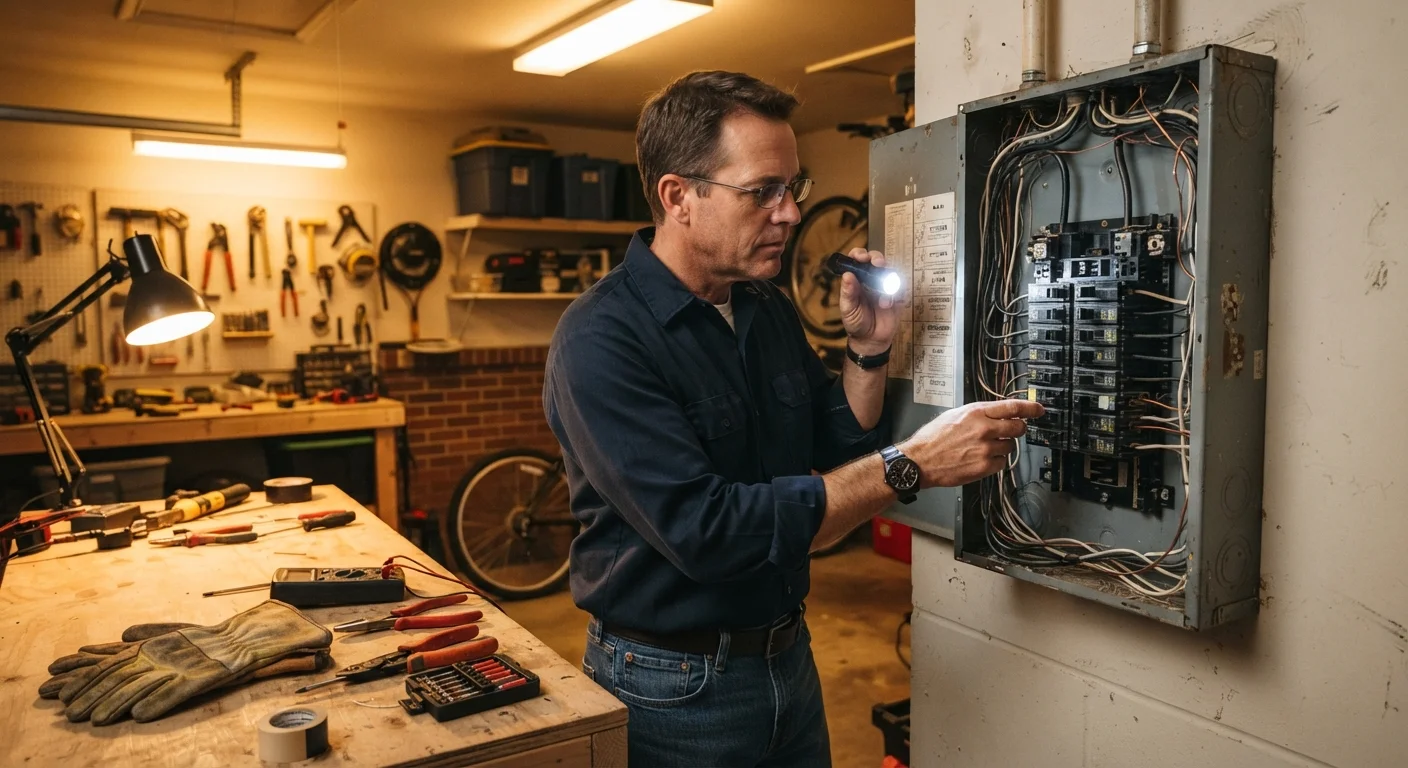
Photo: ResultsExplorer.com | Top Blogs For Everyone editorial
Key Takeaways
- Replacing a light switch or outlet cover is generally legal for homeowners, but wiring new circuits is not.
- Most significant electrical work in the US requires a permit and licensed electrician under local codes.
- Unpermitted electrical work can void homeowner's insurance and cause serious problems at resale.
- Turning off a breaker does not always make wiring safe to touch - always verify with a voltage tester.
- Licensed electricians are required for panel upgrades, new circuits, and any work inside junction boxes in most jurisdictions.
Why DIY Electrical Work Deserves a Closer Look
Electrical projects are among the most tempting DIY undertakings - they can seem straightforward, and online tutorials make them look simple. But electrical work is also one of the most regulated categories of home improvement in the United States, for good reason. Faulty wiring is a leading cause of residential fires, and errors can be invisible until a serious problem develops.
The good news is that homeowners are not entirely locked out. Many simple tasks are legal and safe to handle yourself - as long as you understand exactly where that boundary sits. The myth-and-fact pairs below address the most common misconceptions so you can plan any project with clear eyes.
For a broader look at when to call in a professional, see our guide to DIY versus hiring a tradesperson.
Myth
If I turn off the breaker, the wiring is safe to work on.
Fact
Turning off a breaker reduces risk but does not guarantee all wires in the area are de-energized - always confirm with a non-contact voltage tester before touching anything.
Breaker labels are sometimes inaccurate, especially in older homes. A wire you intend to work on may run from a different circuit, or two circuits may share a neutral wire. A non-contact voltage tester - an inexpensive tool available at any hardware store - should be used to confirm that wires are truly de-energized before you touch them. Never assume the breaker label tells the complete story.
Myth
Electrical work only needs a permit if you're adding something major, like a new room.
Fact
Many jurisdictions require permits for relatively minor work, including adding a single outlet or replacing a subpanel - scope alone does not determine permit requirements.
Permit thresholds are set by local code, not by the homeowner's judgment about what counts as 'major.' In some cities, even replacing a circuit breaker requires a permit and inspection. The safest practice is to contact your local building or permitting office and describe exactly what you plan to do. Many offices offer this guidance by phone or online in minutes.
Myth
Licensed electricians are only necessary for panel work - everything else is fair game for DIY.
Fact
Licensing requirements cover a wide range of work beyond the panel, including running new circuits, adding subpanels, and in some jurisdictions, any work inside a junction box.
The panel is the most obvious example, but the licensed-work category extends much further. Running new wire through walls, adding circuits, installing hardwired smoke detectors on new circuits, and any work that changes how existing circuits are configured typically requires a licensed electrician in most US states. The exact scope varies, so verify with your local authority rather than assuming a task falls outside that boundary.
Myth
As long as the lights work afterward, the job was done correctly.
Fact
A wiring error can appear to function normally while creating a concealed fire or shock hazard that may not manifest for months or years.
Electricity will often find a path even through improper connections, making it possible for a poorly executed repair to seem to work fine. Loose wire nuts, reversed polarity, and undersized wire are common errors that operate without obvious symptoms until heat builds up, insulation degrades, or a fault condition occurs. This is precisely why inspections by qualified professionals exist - to catch what a functional test cannot.
Myth
Older homes with aluminum wiring just need new outlets - no big deal.
Fact
Aluminum wiring requires special handling, compatible devices, and often professional assessment because it behaves differently from copper and carries a distinct fire risk if improperly managed.
Homes built between roughly the mid-1960s and mid-1970s may have aluminum branch-circuit wiring. Aluminum expands and contracts at a different rate than copper, which can loosen connections over time. Mixing aluminum with standard copper-only outlets creates a fire risk. Homes with aluminum wiring should be assessed by a licensed electrician who can recommend appropriate remediation - typically using CO/ALR-rated devices or proper anti-oxidant compounds - rather than treated as straightforward DIY territory.
What Homeowners Can Actually Do Themselves
In most US jurisdictions, homeowners are permitted to perform certain low-risk electrical tasks on their own primary residence without a licensed electrician - provided they pull any required permits and the work passes inspection. These tasks typically include replacing a like-for-like outlet or switch, installing a ceiling fan on an existing circuit with existing wiring, or swapping a light fixture for another of similar type.
~51,000
Home electrical fires per year in the US
According to the Electrical Safety Foundation International (ESFI), electrical failures or malfunctions are a leading cause of residential structure fires annually.
~$1,300
Typical cost to remediate unpermitted electrical work
Home inspection industry estimates suggest unpermitted electrical corrections commonly run into the hundreds to thousands of dollars when flagged at resale.
The critical phrase is like-for-like: you are replacing an existing device with an equivalent one on a circuit that already exists. The moment a project requires running new wire, adding a circuit, modifying the panel, or changing the load capacity, you've crossed into territory that nearly always requires a licensed electrician and a permit in most states.
Always check your municipality's specific code before starting. Requirements vary significantly by state and even by county or city. Many homeowners are surprised to learn that even a straightforward outlet replacement can require an inspection in some jurisdictions.
Permits, Insurance, and Resale: The Hidden Stakes
Skipping a permit might feel like saving time and money, but the downstream costs can be steep. Unpermitted electrical work is one of the issues most commonly flagged during a home inspection at resale. Buyers' agents and inspectors know what to look for, and undisclosed unpermitted work can derail a sale or require expensive remediation.
Unpermitted Work Can Affect Insurance Claims
From an insurance standpoint, a claim stemming from a fire traced to unpermitted or non-code-compliant electrical work may be denied or reduced. Homeowner's insurance policies generally expect that the home meets applicable building codes. This is not a hypothetical risk - it's a clause worth reading in your own policy before picking up a screwdriver.
If you're unsure about the permit status of existing work in a home you've purchased, our guide to hiring a tradesperson covers how to vet professionals who can assess and remediate non-compliant work.
The principle is straightforward: a permit protects you legally, financially, and practically. It is not bureaucratic friction - it is documentation that work was done safely and to code.
This article provides general educational information about home electrical work and local building codes. It is not a substitute for advice from a licensed electrician or your local building authority. Always verify requirements with your municipality before beginning any electrical project.
The content provided on our blog site traverses numerous categories, offering readers valuable and practical information. Readers can use the editorial team’s research and data to gain more insights into their topics of interest. However, they are requested not to treat the articles as conclusive. The website team cannot be held responsible for differences in data or inaccuracies found across other platforms. Please also note that the site might also miss out on various schemes and offers available that the readers may find more beneficial than the ones we cover.