
Credit Transfer Between Institutions: Navigating the Process

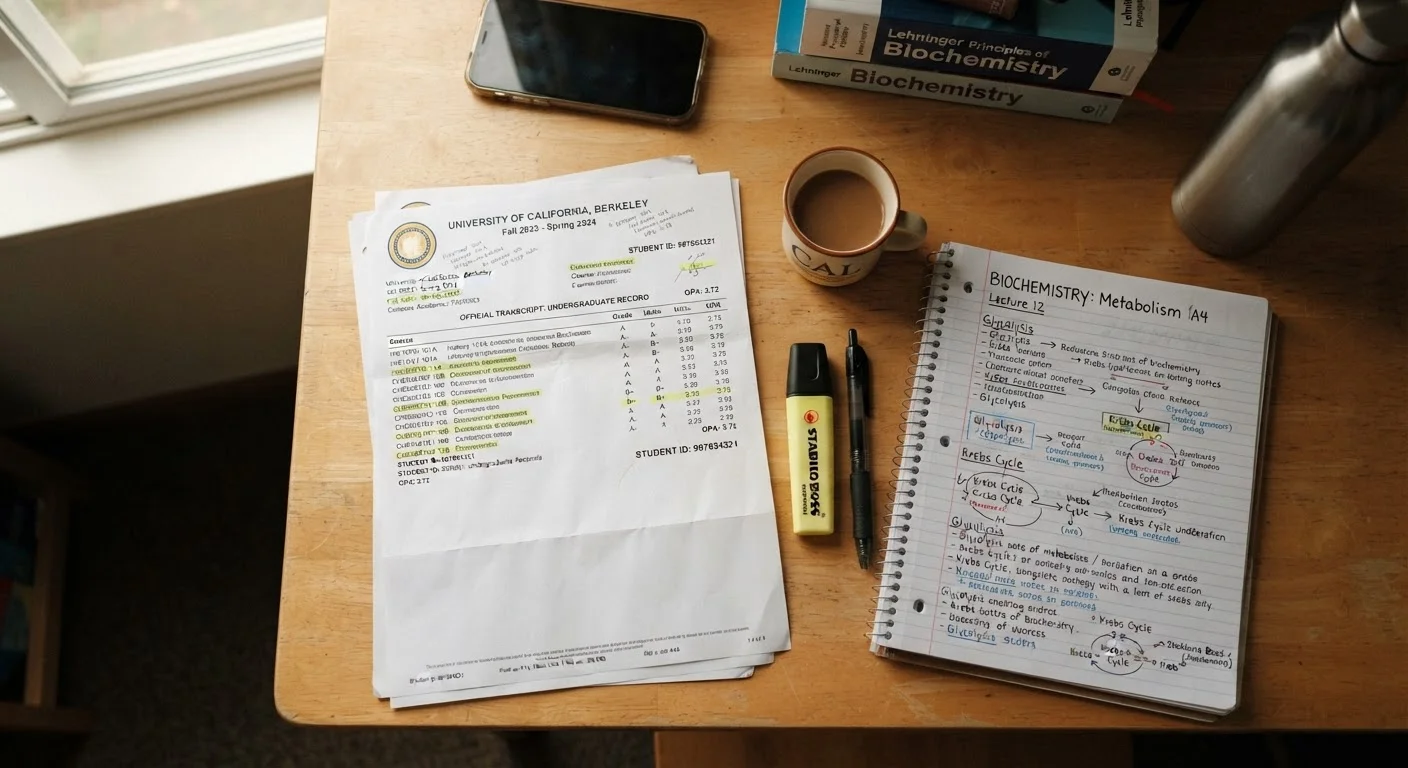
Photo: ResultsExplorer.com | Top Blogs For Everyone editorial
Key Takeaways
- Not all credits transfer automatically - accreditation, course equivalency, and grade thresholds all matter.
- Requesting official transcripts early is the single most important first step in any transfer process.
- Transfer credit decisions are made by the receiving institution, not the one you attended previously.
- Some institutions offer pre-transfer credit evaluations so you know what will count before you commit.
- Adult learners returning to school may have additional options, including credit for prior learning.
How Credit Transfer Actually Works
Credit transfer is the process by which academic credits earned at one institution are reviewed and potentially recognized by another. The receiving institution - the school you are moving to - makes all final decisions. There is no universal transfer standard in the United States, which is why the same course might transfer fully at one school and be denied at another.
Several factors shape the outcome: the accreditation status of both institutions, whether the coursework is deemed equivalent in content and level, the grade you earned (many schools require a C or higher), and whether the credit fits into your new program's structure. Verifying a program's credit transfer policy before enrolling is one of the most important steps any prospective student can take.
Accreditation Determines Transfer Eligibility
Some institutions have formal articulation agreements with community colleges or other universities. These agreements pre-establish which courses are equivalent, removing much of the uncertainty. If such an agreement exists between your previous and intended school, ask the registrar for a copy - it can dramatically simplify your planning.
What to Expect From the Evaluation Process
After you submit transcripts and supporting materials, a transfer credit evaluator - usually a staff member in the registrar's office, sometimes working alongside academic department faculty - will compare your completed coursework against the receiving institution's course catalog. Each course is reviewed individually.
Official Academic Transcripts
Required by all receiving institutions to assess which credits are eligible for transfer.
Course Syllabi from Previous Institution
Used to demonstrate content equivalency when a course title alone does not match the receiving institution's catalog.
Degree Audit or Program Requirements Sheet
Helps you map transferred credits against what your new program actually requires.
Transfer Credit Articulation Agreement (if available)
A formal agreement between institutions that pre-approves specific course equivalencies, removing guesswork.
Portfolio of Prior Learning Evidence
Supports credit-for-prior-learning applications for adult learners with relevant professional experience.
Decisions typically fall into three categories: direct equivalency (your course maps to a specific course in the new catalog), general credit in a subject area (credit is awarded but not tied to a specific course), or denied credit (the course does not meet the institution's standards). The timeline varies by institution and time of year; submitting materials well before your intended start date gives evaluators adequate time and gives you time to appeal if needed.
Transfer Credits May Not Count Toward Your Major
If you are comparing multiple transfer destinations, looking into alternative entry points into higher education may also reveal options you have not yet considered - including bridge programs designed specifically for transfer students.
Request a Pre-Transfer Credit Evaluation
Before You Begin: Prerequisites and Tools
What you will need
Having the right documents assembled before you start saves significant time. The most common delay in credit transfer is waiting for official transcripts - a process that cannot be rushed once it is in the institution's hands. The tools below are worth gathering proactively.
Step-by-Step: Navigating Your Credit Transfer
Confirm Accreditation Status of Both Institutions
Before anything else, verify that your previous institution and your intended new institution are both accredited - and note the type of accreditation each holds. Regional accreditation (such as from bodies like HLC, SACSCOC, or NECHE) is generally the most widely recognized, and many regionally accredited schools will not accept credits from nationally accredited institutions, or vice versa. You can look up accreditation status through the U.S. Department of Education's database of accredited institutions.
Request Official Transcripts from Your Previous Institution
Contact the registrar's office at every institution you have previously attended and request official transcripts. Most institutions require a formal written or online request, and some charge a small processing fee. Ask for several copies - one for each school you are applying to, plus one for your own records. Processing can take days to weeks, so start this step earlier than you think you need to.
Gather Course Syllabi for Relevant Coursework
Collect the official course syllabi - or detailed course descriptions from the catalog - for any class you hope to transfer. Receiving institutions use these documents to assess whether a course's content is equivalent to one in their own curriculum. A course titled differently but covering the same material may still transfer; the syllabus is often the deciding evidence. Your previous institution's registrar or individual departments can usually retrieve archived syllabi.
Submit Materials to the Receiving Institution's Registrar
Send your official transcripts and supporting documentation to the receiving institution's registrar or transfer credit office. Many schools have an online portal for this. Ask for a written confirmation of receipt and an estimated timeline for the evaluation. Some institutions complete evaluations within a few weeks; others may take a full semester cycle. Keep all correspondence in writing.
Review the Transfer Credit Evaluation and Ask Questions
Once the evaluation is complete, you will receive a report showing which credits were accepted, which were denied, and how accepted credits will be applied (e.g., core requirement, major requirement, or free elective). Read this document carefully. If any decision seems incorrect or incomplete, you typically have the right to appeal - ask the registrar about the formal appeal process and what additional documentation might support your case.
Explore Credit for Prior Learning if Applicable
If you have professional experience, military training, or industry certifications that align with academic coursework, ask whether the institution offers Credit for Prior Learning (CPL). Options may include portfolio assessment, challenge exams, or standardized tests such as CLEP. CPL policies vary widely, so ask specifically what evidence the institution requires and how credits awarded through CPL are applied to your program. Adult learners returning to education will find this pathway particularly relevant - see the guide on returning to education as an adult for broader context.
The content provided on our blog site traverses numerous categories, offering readers valuable and practical information. Readers can use the editorial team’s research and data to gain more insights into their topics of interest. However, they are requested not to treat the articles as conclusive. The website team cannot be held responsible for differences in data or inaccuracies found across other platforms. Please also note that the site might also miss out on various schemes and offers available that the readers may find more beneficial than the ones we cover.