
The Compounding Effect Explained Without the Jargon

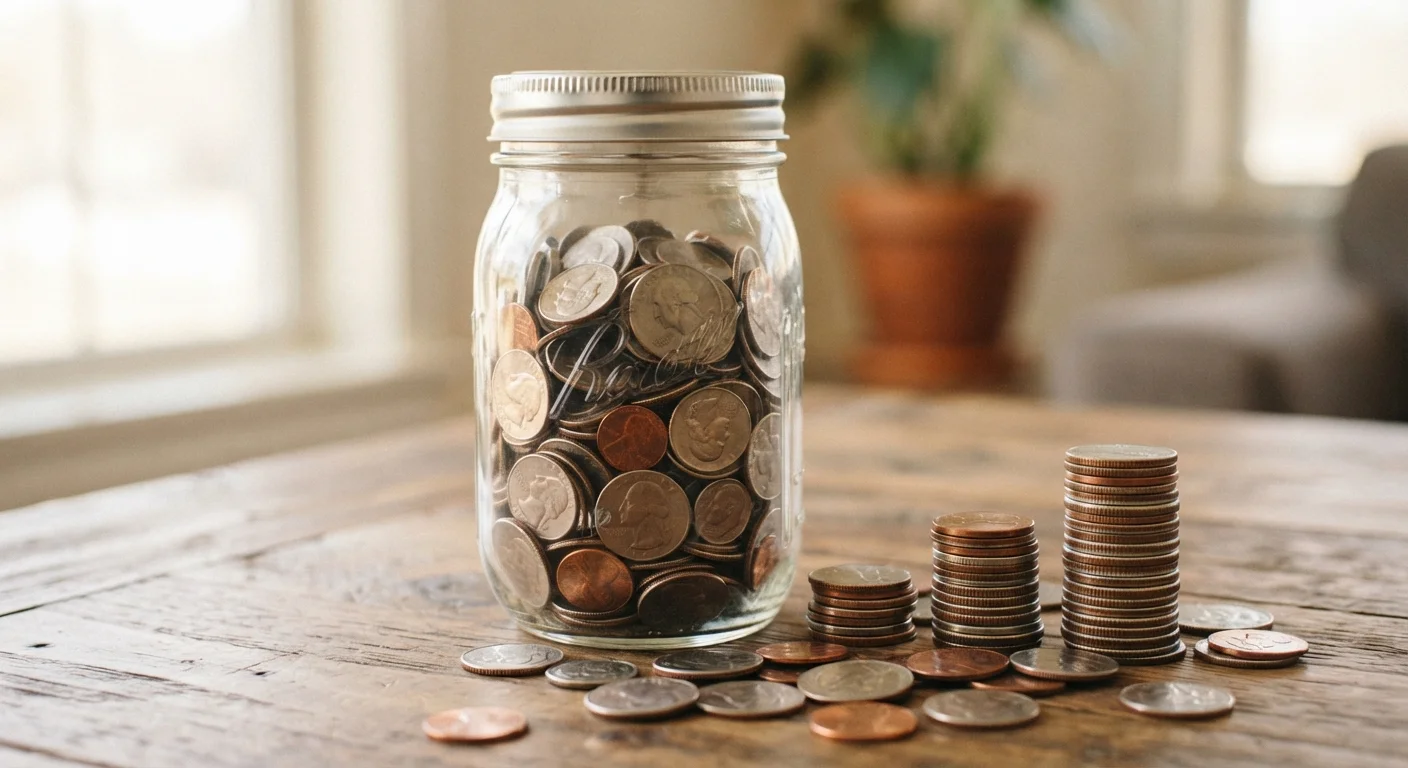
Photo: ResultsExplorer.com | Top Blogs For Everyone editorial
Key Takeaways
- Compounding means your earnings generate their own earnings over time.
- Starting earlier matters more than the amount you start with.
- Consistent contributions accelerate compounding significantly.
- Compounding works against you with debt, not just for you with savings.
- Even modest interest rates produce meaningful growth given enough time.
What Compounding Actually Means
Most financial advice mentions compounding — but rarely explains it in plain terms. Here's the core idea: when you save money and it earns interest, that interest gets added to your balance. Next time interest is calculated, it's calculated on your new, larger balance — not just your original deposit.
That cycle — earning returns on returns — is compounding. It starts slow and barely noticeable, but it accelerates over time. The longer money stays invested or saved, the more pronounced the effect becomes.
Think of it less like a straight line upward and more like a curve that bends sharply with time. This is why the advice to "start saving early" isn't just a platitude — it's grounded in how the math actually works.
“Compound interest is the eighth wonder of the world. He who understands it, earns it; he who doesn't, pays it.”
— Widely attributed to Albert Einstein, This quote, commonly cited in personal finance, underscores why understanding compounding is foundational to saving and debt management.
A Simple Illustration
Suppose you put $1,000 into a savings account earning 5% annual interest. After year one, you have $1,050. In year two, you earn 5% on $1,050 — not on the original $1,000 — giving you $1,102.50. That extra $2.50 may seem trivial, but run this forward 30 years and your $1,000 becomes roughly $4,322 without adding a single additional dollar.
Now imagine adding even a modest amount each month. The results shift considerably. Consistent contributions give compounding more material to work with, accelerating growth in a way that lump-sum savings alone cannot match.
~$4,322
Growth of $1,000 at 5% over 30 years
Based on standard compound interest calculations with no additional contributions, illustrating passive growth over time.
Rule of 72
Years to double money (divide 72 by rate)
A widely used mental math shortcut: at 6% annual interest, money roughly doubles in 12 years.
10+ years
Advantage of starting saving a decade earlier
Financial planning models consistently show that starting contributions a decade earlier often produces dramatically larger outcomes than contributing more money later.
This is also why many financial educators emphasize that time is the most valuable input in compounding — more so than the rate of return or even the amount saved, within reasonable limits.
The Other Side: Compounding and Debt
Compounding doesn't only work in your favor. When you carry a balance on a high-interest credit card, the lender applies interest to your outstanding balance. If you don't pay that interest off, it gets added to what you owe — and next month, interest is charged on the new, higher total.
This is the same mechanism, but working against you. A $3,000 credit card balance at 20% annual interest, paid down with only minimum payments, can take years to clear and cost significantly more than the original purchase. Understanding that compounding applies to debt — not just savings — is one of the more practical insights in personal finance.
For a deeper look at managing debt strategically, see what debt consolidation actually does and whether it might apply to your situation.
Building Habits That Let Compounding Work
Compounding rewards consistency and patience — two things that are easier to maintain when saving is built into your routine rather than left to willpower. Automating transfers to a savings or investment account on payday is one of the most reliable ways to stay consistent.
If you're just getting started, a grounded first savings plan can help you establish the right structure. If you've been held back by common money beliefs, these savings myths are worth examining — many of them directly undermine the habits compounding depends on.
One practical starting point: treat saving like a recurring bill rather than whatever is left over at month's end. Even small, regular deposits — $25, $50 a month — put compounding in motion. Waiting for a larger amount to feel "worth it" is one of the most common ways people delay real progress.
Make Consistency Your Advantage
This article is for general informational and educational purposes only and does not constitute personalised financial or investment advice. For guidance specific to your situation, consult a qualified financial professional.
Frequently Asked Questions
The content provided on our blog site traverses numerous categories, offering readers valuable and practical information. Readers can use the editorial team’s research and data to gain more insights into their topics of interest. However, they are requested not to treat the articles as conclusive. The website team cannot be held responsible for differences in data or inaccuracies found across other platforms. Please also note that the site might also miss out on various schemes and offers available that the readers may find more beneficial than the ones we cover.