
Keeping an Ageing Dog Comfortable: A Guide to Senior Dog Care

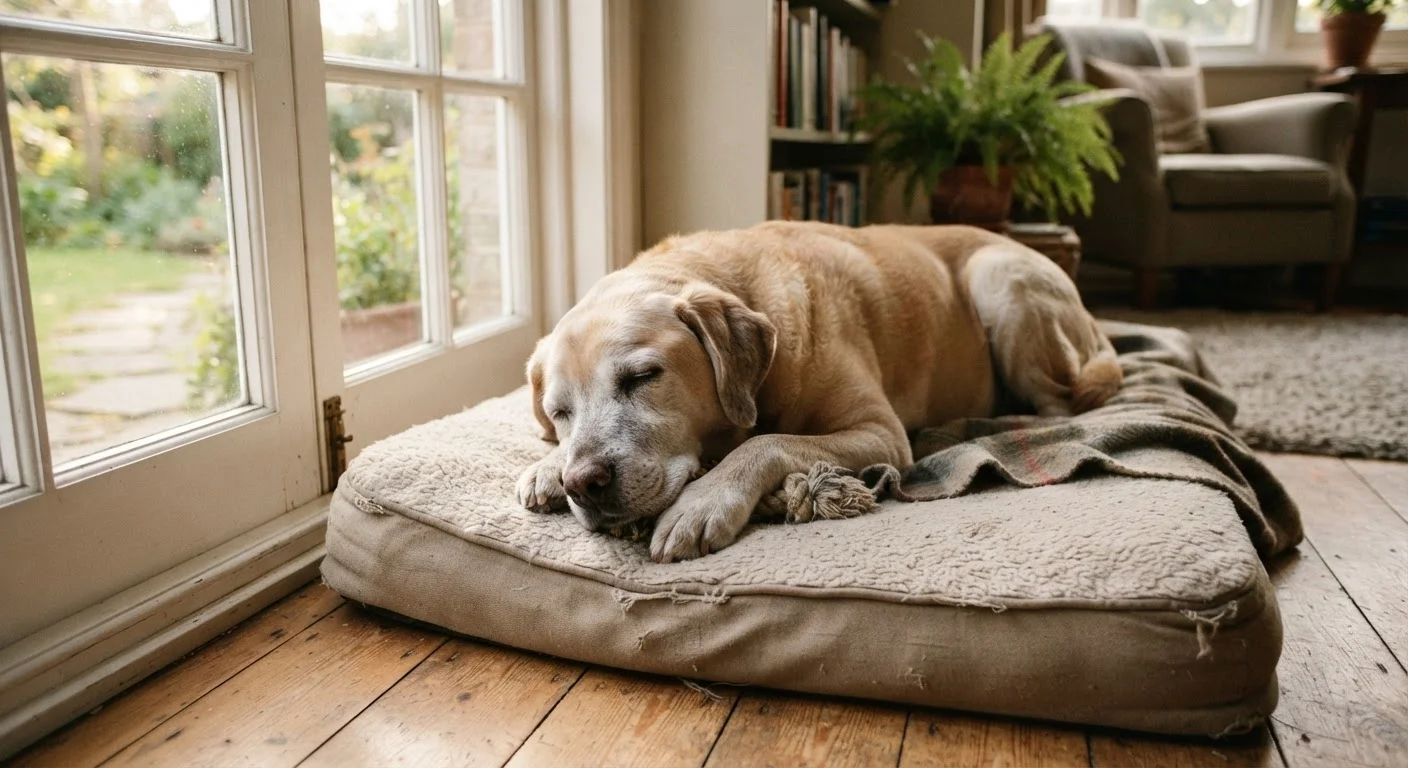
Photo: ResultsExplorer.com | Top Blogs For Everyone editorial
Key Takeaways
- Most dogs enter their senior years between ages 7 and 10, depending on breed size.
- Joint support, appropriate nutrition, and cognitive enrichment are the three pillars of senior dog care.
- Regular veterinary checkups—ideally every six months—are essential for early detection of age-related conditions.
- Environmental modifications like ramps and non-slip mats can meaningfully reduce daily discomfort.
- Behavioural and cognitive changes in older dogs are common and should be discussed with a vet.
Understanding What Ageing Means for Your Dog
Ageing in dogs is a gradual process that unfolds differently depending on breed, size, genetics, and lifetime care. What is consistent across all dogs is that the senior years bring a combination of physical, metabolic, and cognitive changes that require owners to be more observant and more proactive than at earlier life stages.
The physiological changes most commonly seen in senior dogs include decreased kidney and liver efficiency, reduced immune function, dental deterioration, hormonal changes, and a decline in joint cartilage that leads to osteoarthritis. According to veterinary estimates, osteoarthritis affects a significant proportion of dogs over age 7—making joint health one of the most pressing concerns for senior dog owners.
Unlike the experience of bringing home a puppy, caring for a senior dog is less about establishing new habits and more about careful observation and incremental adjustment. The goal is not to restore a younger dog's capabilities, but to maximise quality of life at each stage.
Always Consult Your Vet First
Setting Up Your Home and Routine for a Senior Dog
Practical care for an ageing dog starts with the right environment and tools, followed by consistent daily habits. The steps below walk through the most evidence-supported approaches—from environmental modifications and diet to exercise, cognitive health, and veterinary partnerships.
What you will need
Orthopedic or memory foam dog bed
Provides joint-cushioning support that reduces pressure on arthritic hips, elbows, and spine during rest.
Dog ramp or low-rise steps
Allows senior dogs to access sofas, vehicles, or elevated surfaces without stressing joints.
Non-slip floor mats or rugs
Reduces slipping on hard floors, which can cause falls and worsen joint pain in older dogs.
Raised food and water bowls
Lowers neck and shoulder strain during eating and drinking for dogs with arthritis or spinal stiffness.
Senior-formula dog food
Formulated with adjusted protein, calorie density, and joint-supporting nutrients appropriate for ageing dogs.
Puzzle feeders or enrichment toys
Provides low-impact cognitive stimulation that may help slow progression of canine cognitive dysfunction.
Recognise when your dog becomes a senior
There is no universal age at which a dog becomes a senior—breed size plays a significant role. Large and giant breeds (over 50 lbs) typically enter their senior years around age 6 to 7, while small breeds may not reach senior status until 10 to 12. Medium breeds generally fall in between, around age 8 to 9.
Once your dog reaches this threshold, the frequency of veterinary checkups should increase. Most vets recommend biannual visits for seniors rather than the annual schedule typical for adult dogs. This allows earlier detection of conditions such as arthritis, kidney disease, dental disease, hypothyroidism, and cancer—all of which are more prevalent in older animals.
Modify the home environment for comfort and safety
Physical changes in older dogs—reduced muscle mass, joint stiffness, and decreased sensory acuity—mean that the environment that worked for a younger dog may now create unnecessary strain or risk. Small modifications can have an outsized impact on daily quality of life.
- Place non-slip rugs or mats on hardwood and tile floors to prevent slipping.
- Introduce a low-entry ramp or steps to furniture or vehicles your dog regularly accesses.
- Position the dog's sleeping area away from cold drafts and at ground level to avoid challenging jumps.
- Raise food and water bowls to elbow height if your dog shows signs of neck or shoulder stiffness.
- Ensure outdoor areas are easily accessible and free of trip hazards.
Transition to a senior-appropriate diet
Nutritional needs shift meaningfully as dogs age. Older dogs are often less active and have slower metabolisms, which can lead to weight gain—a significant concern because excess weight places additional stress on already-vulnerable joints. Conversely, some seniors lose muscle mass and may require higher-quality protein to maintain condition.
Senior dog foods are typically formulated with adjusted calorie density, higher-quality protein sources, and added nutrients such as glucosamine and omega-3 fatty acids, which have some research support for joint health. However, a one-size-fits-all approach does not apply. Ask your vet to assess your dog's body condition score and recommend a diet tailored to their specific health status.
Avoid switching foods abruptly—transition over 7 to 10 days by gradually mixing the new food with the old to prevent digestive upset.
Maintain appropriate exercise
Exercise remains important for senior dogs—it supports muscle mass, healthy weight, joint mobility, and mental wellbeing—but the nature and intensity of exercise should be adapted to the individual dog's capacity. High-impact activities such as jumping, rough play, or long runs on hard surfaces may be inappropriate for dogs with arthritis or orthopaedic conditions.
Shorter, more frequent walks are often better tolerated than one long outing. Swimming or hydrotherapy can be excellent low-impact options for dogs with joint pain, and many specialist canine hydrotherapy centres in the US offer these services. Watch for signs that your dog is tiring or in discomfort during activity—limping, lagging behind, excessive panting, or reluctance to continue are all cues to stop and rest.
Monitor for cognitive changes
Canine Cognitive Dysfunction (CCD) is a neurodegenerative condition in older dogs that shares some features with dementia in humans. Estimates suggest it affects a meaningful proportion of dogs over age 11, though it is likely underdiagnosed. Signs include disorientation in familiar surroundings, altered sleep-wake cycles (such as nighttime restlessness), decreased interaction with family members, house-soiling in previously trained dogs, and staring blankly at walls or into space.
If you notice these changes, document them and raise them with your vet. CCD has no cure, but management strategies—including environmental enrichment, dietary support, and in some cases medication—can help maintain quality of life. Enrichment activities such as puzzle feeders, sniff walks, and gentle training sessions may help keep the mind engaged. Our guide on recognising anxiety in dogs also covers behavioural changes that sometimes overlap with cognitive symptoms.
Schedule and prepare for regular veterinary checkups
Proactive veterinary care is the single most impactful thing you can do for a senior dog's health. Biannual exams typically include blood work, urinalysis, blood pressure measurement, dental assessment, and a full physical exam—screenings that can detect kidney disease, liver changes, thyroid dysfunction, anaemia, and other conditions before clinical signs appear.
Come prepared to each appointment. Note any behavioural or physical changes you have observed, including changes in appetite, thirst, urination frequency, gait, and sleep. The vet visit checklist is a useful tool for organising your observations before each appointment.
If your dog is on any medications for chronic conditions, bring a current medication list and ask your vet to review it at each visit—drug dosing considerations can change as organ function shifts with age.
Track Changes with a Simple Log
Don't Dismiss Subtle Behaviour Changes
This article provides general information for educational purposes and is not a substitute for individualised veterinary advice. Always consult a licensed veterinarian regarding your dog's specific health needs, symptoms, or before making changes to diet, exercise, or medications.
The content provided on our blog site traverses numerous categories, offering readers valuable and practical information. Readers can use the editorial team’s research and data to gain more insights into their topics of interest. However, they are requested not to treat the articles as conclusive. The website team cannot be held responsible for differences in data or inaccuracies found across other platforms. Please also note that the site might also miss out on various schemes and offers available that the readers may find more beneficial than the ones we cover.