
Coastal vs. Inland Travel: How Location Type Shapes the Experience

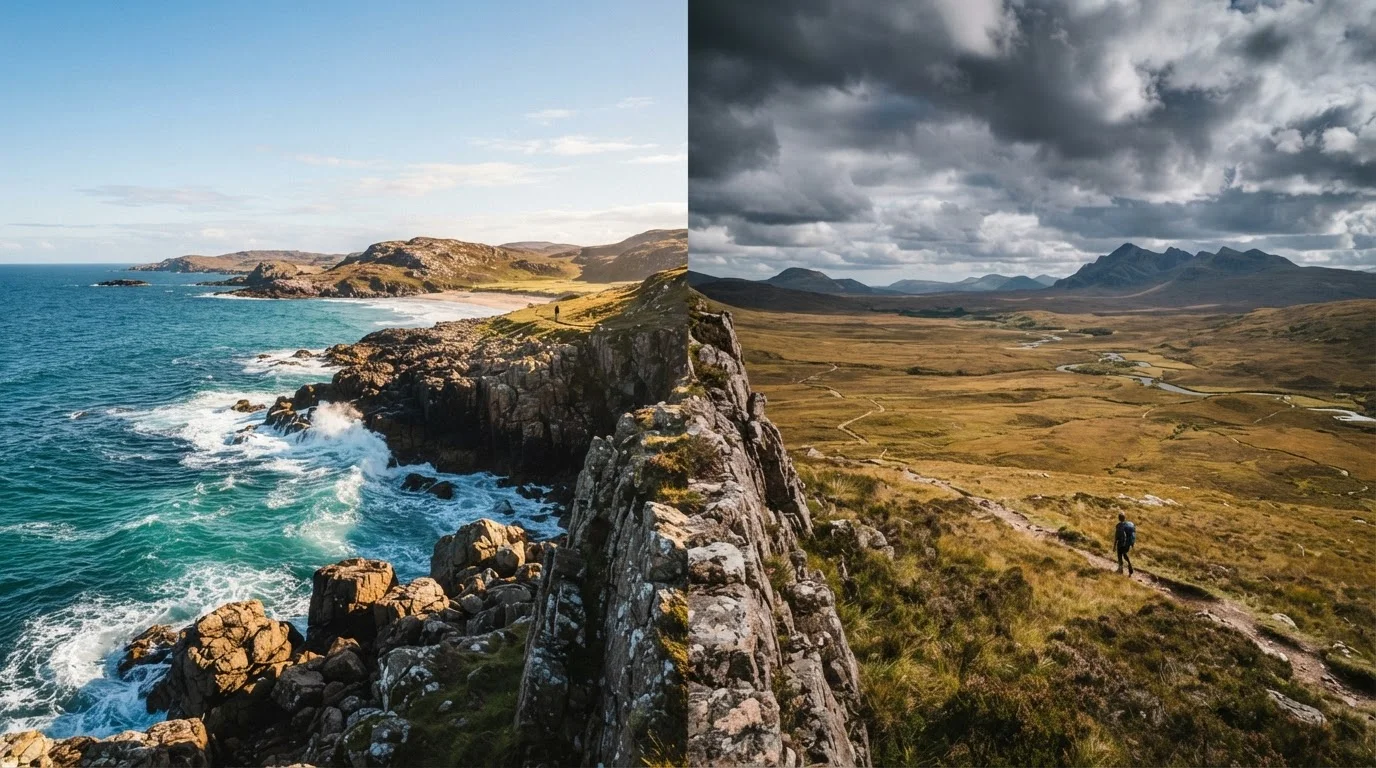
Photo: ResultsExplorer.com | Top Blogs For Everyone editorial
Key Takeaways
- Coastal destinations typically offer water-based activities and warmer, humid climates that demand specific packing choices.
- Inland travel often means greater landscape variety, from mountain ranges to plains, with wider temperature swings.
- Cultural rhythms differ significantly between coastal towns built around maritime life and landlocked communities shaped by terrain.
- Neither setting is universally superior — your travel goals should drive the choice.
- Weather unpredictability and crowd patterns follow different seasonal logic depending on location type.
Why Location Type Is a Real Planning Variable
Most trip planning focuses on country, budget, or duration. Location type — whether a destination sits on a coast or deep inland — often gets treated as background detail. It shouldn't. The physical geography of a place shapes its climate, its economy, its food traditions, and the practical realities of getting around. Before narrowing in on a specific destination, it's worth understanding what coastal and inland environments each reliably deliver.
This isn't about ranking one higher than the other. It's about matching expectations to reality. Reading a destination before you go — including its physical setting — is one of the most effective ways to avoid the mismatch between what a place promises in photos and what it actually feels like on arrival.
What Coastal Travel Typically Delivers
Coastal destinations organize life around water. That shapes nearly everything: the local diet leans heavily on seafood and fishing culture, the architecture tends to face or reference the sea, and economic life has historically depended on ports, trade, or tourism. For travelers, this translates into ready access to beaches and marine environments, a generally humid and moderate climate in temperate zones, and a cultural pace that often slows in summer heat.
The trade-offs are real, though. Coastal areas — particularly those with established tourist infrastructure — frequently see significant seasonal crowding. Prices for accommodation and activities often spike during peak summer months. Humidity can feel oppressive in tropical coastal zones. Coastal weather is also subject to rapid changes; fog, storm surges, and off-season wind can dramatically alter the experience.
| Coastal | Inland | |
|---|---|---|
| Climate character | Humid, moderate, maritime influence | Wider temperature swings, drier air |
| Primary activities | Swimming, surfing, marine wildlife, fishing | Hiking, cycling, heritage sites, rural culture |
| Food culture | Seafood-centric, port trade traditions | Agricultural, pastoral, land-produce driven |
| Crowd and price pressure | High in peak summer; heavily seasonal | Varies by terrain; often less intense overall |
| Packing considerations | Sunscreen, humidity-resistant gear, waterproofing | Layering for temperature swings, sturdy footwear |
| Tourism infrastructure | Often well-developed in popular areas | More variable; can be sparse in remote zones |
Salt air and sun exposure affect gear, so packing considerations shift: sunscreen, light breathable fabrics, and waterproof protection for electronics matter more here than in dry inland environments.
What Inland Travel Typically Delivers
Inland destinations span an enormous range — high-altitude plateaus, river valleys, desert plains, forested mountain ranges. What they share is the absence of maritime influence, which has cascading effects. Temperatures tend to swing more widely between day and night and between seasons. Humidity is generally lower in arid inland zones. The activities on offer are land-based: hiking, cycling, cultural heritage sites, rural food traditions, and in many cases, quieter, less-touristed communities.
Cultural life in landlocked areas is often shaped by agricultural or pastoral history rather than maritime trade, which can make for a noticeably different social texture. Markets, festivals, and local cuisine reflect what the surrounding land produces. If you're drawn to that kind of depth, slow travel approaches pair particularly well with inland destinations where there's more to absorb in a smaller area.
Layer Up for Inland Temperature Swings
One practical advantage: inland destinations are less subject to the intense seasonal pricing surges common at popular coastal resorts, though they have their own high seasons — ski towns and alpine destinations in winter, for example.
Matching Location Type to Your Travel Goals
Neither coastal nor inland travel is a monolith, and the best approach is to be honest about what you're actually seeking from a trip. Relaxation and sensory immersion at the water's edge? Coastal makes sense. Active exploration of varied terrain and cultural history away from resort infrastructure? Inland often delivers more for the effort.
It also matters how you like to structure a trip. Independent travelers tend to find inland destinations more forgiving of spontaneous itinerary changes — fewer weather-dependent activities, less reliance on a narrow seasonal window. Meanwhile, the more structured rhythms of a coastal beach destination can suit travelers who want a lower-decision-load trip.
The most effective planning treats location type as a first-order filter, not an afterthought. Think about what the physical setting enables or constrains before you commit to a specific destination. That approach is more likely to produce a trip that matches your actual expectations than defaulting to wherever looks best in promotional imagery. For a broader look at how destination type intersects with trip structure, the trip planning hub covers the full picture.
The content provided on our blog site traverses numerous categories, offering readers valuable and practical information. Readers can use the editorial team’s research and data to gain more insights into their topics of interest. However, they are requested not to treat the articles as conclusive. The website team cannot be held responsible for differences in data or inaccuracies found across other platforms. Please also note that the site might also miss out on various schemes and offers available that the readers may find more beneficial than the ones we cover.