
Sacred Sites Around the World: What Visitors Are Expected to Know

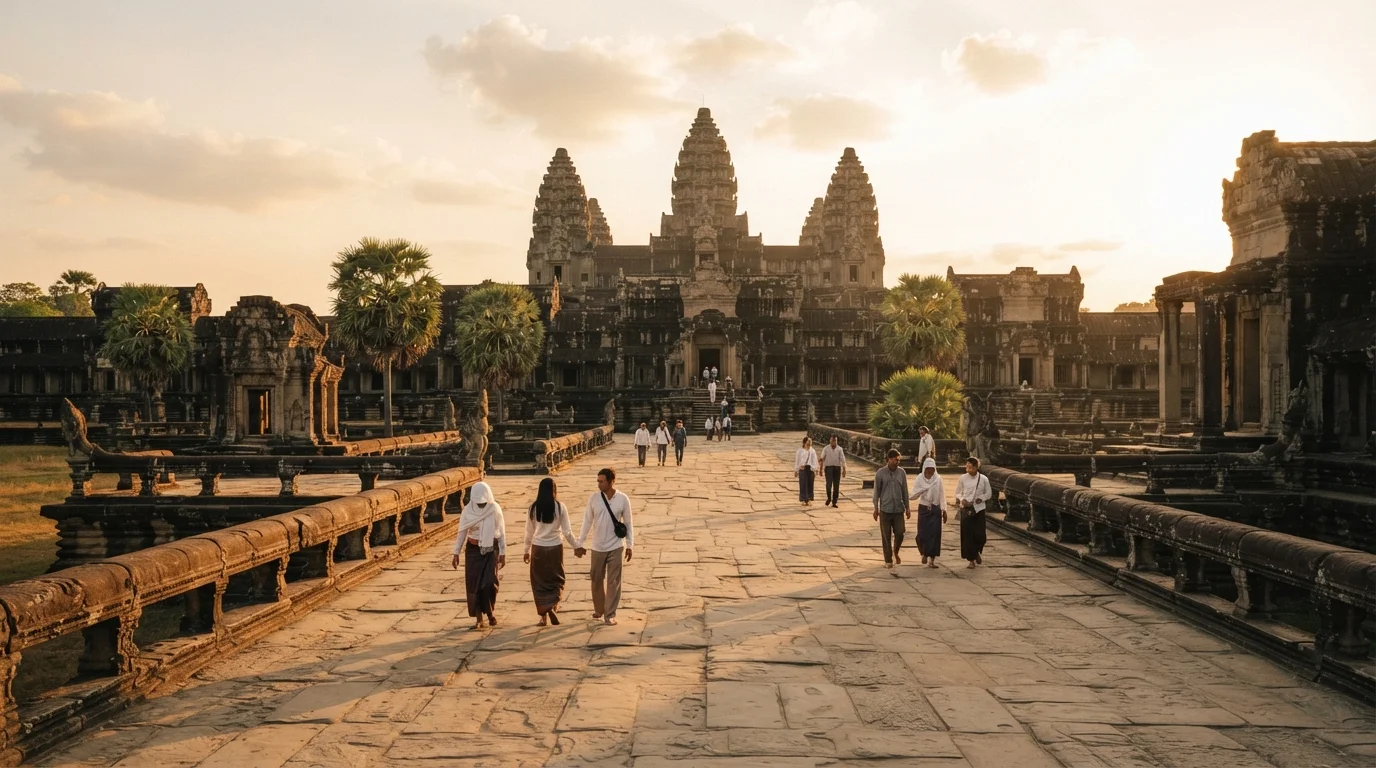
Photo: ResultsExplorer.com | Top Blogs For Everyone editorial
Why Sacred Sites Require a Different Mindset
Museums and monuments may be culturally significant, but active places of worship operate on an entirely different level. They are living spaces where communities pray, mourn, celebrate, and mark the passages of life. Treating them like any other tourist attraction is where most visitor missteps begin.
The core principle is straightforward: you are a guest in someone else's sacred space. That single reframe changes how you approach everything — from what you wear to where you point your camera. Dress code errors and behavioral missteps at religious sites are among the most frequently reported and most easily avoided with a small amount of advance research.
| Shoe removal required | Mosques, most Hindu temples, many Buddhist and Shinto shrines |
| Photography typically restricted | Near altars, during services, inside many Orthodox churches and some temples |
| Head covering expected | Women at mosques; often at Orthodox churches; sometimes at Sikh gurdwaras for all visitors |
| Leather items may be prohibited | Some Hindu temples restrict leather (shoes, belts, bags) on religious grounds |
| Sites not open to non-members | Some Indigenous sacred sites, certain inner chambers of active temples |
| Best time to visit | Outside of active prayer or ceremony times — check site schedules in advance |
Common Expectations Across Major Site Types
Temples and Shrines (Hindu, Buddhist, Shinto)
Shoe removal is nearly universal at Hindu temples and many Buddhist and Shinto shrines across Asia. Leather items — including belts — may be prohibited at some Hindu temples. Modest clothing covering shoulders and knees is standard. At Shinto shrines in Japan, passing through the torii gate marks a transition into sacred space; quiet and respectful behavior are expected even if no formal dress code is posted.
Mosques
Visitors of any background are generally welcome at many mosques outside of active prayer times, but expectations are firm. Women are expected to cover their hair, and all visitors must remove shoes. Men should wear long trousers; shorts are typically not acceptable. Avoid visiting during Friday midday prayers unless specifically invited for an educational visit.
Churches and Cathedrals
While dress codes in Western churches are often less strictly enforced than at temples or mosques, many prominent Catholic and Orthodox churches in Europe and Latin America have posted requirements: covered shoulders, no shorts or short skirts. Photography is frequently restricted near altars or during services. Orthodox churches may ask women to wear a head covering inside.
Indigenous and Ancestral Sacred Sites
These sites often carry the most nuanced expectations and the highest stakes when norms are ignored. Some locations are not open to non-community members at all. Others welcome respectful visitors but prohibit photography, removing objects, or entering specific areas. Never assume access is implied because a site appears on a map or in a travel guide. Research through official cultural or government tourism bodies of the relevant Indigenous nation or community.
When You're Unsure, Ask Before Entering
Practical Rules That Apply Almost Everywhere
Regardless of religious tradition or geography, a set of widely applicable behaviors will serve you well at nearly any sacred site:
- Silence and volume: Keep conversations low. Phone calls, loud laughter, and group chatter are disrespectful in active worship spaces.
- Photography: Always look for posted signs before taking photos. When in doubt, ask a staff member or guard — never assume consent. Flash photography can be disruptive and is often prohibited near artifacts.
- Physical contact: Do not touch statues, carvings, or offerings unless explicitly permitted. Many sacred objects are considered imbued with spiritual significance.
- Staying on designated paths: Roped-off or marked areas exist for preservation and respect reasons. Ignoring them can cause real harm — physical and cultural.
- Timing your visit: Arriving during an active ceremony or prayer service when you are not a worshiper can be intrusive. Many sites publish service times; plan around them.
For a more structured preparation approach before any trip to culturally complex destinations, the pre-departure cultural research checklist is a useful starting point. Pairing it with destination context research helps you understand the why behind specific site expectations, not just the rules themselves.
Torii
A traditional Japanese gate found at the entrance of Shinto shrines, marking the boundary between ordinary and sacred space. Passing through signals entry into a spiritually significant area.
Wudu
Ritual purification performed by Muslims before prayer, typically involving washing hands, face, and feet. Non-Muslim visitors are not expected to perform wudu but should respect washing areas near mosque entrances.
Sanctum Sanctorum
The innermost, most sacred chamber of a Hindu temple where the primary deity is enshrined. Non-Hindu visitors are often restricted from entering this area entirely.
Nave
The central part of a church building, typically the long central aisle where congregation members sit. Tourists may walk through the nave but should remain quiet and avoid disrupting ongoing services.
Sacred Site
A location considered holy, spiritually significant, or ancestrally important by a religious or cultural community. These sites may be actively used for worship, memorialized for historical events, or protected as part of living cultural heritage.
Modest Dress
Clothing that covers the body in accordance with the standards of a given religious or cultural tradition. At most sacred sites, this means covered shoulders, knees, and sometimes hair — definitions vary by tradition and location.
The content provided on our blog site traverses numerous categories, offering readers valuable and practical information. Readers can use the editorial team’s research and data to gain more insights into their topics of interest. However, they are requested not to treat the articles as conclusive. The website team cannot be held responsible for differences in data or inaccuracies found across other platforms. Please also note that the site might also miss out on various schemes and offers available that the readers may find more beneficial than the ones we cover.