
Reading a Vehicle History Report Without Getting Lost in the Details

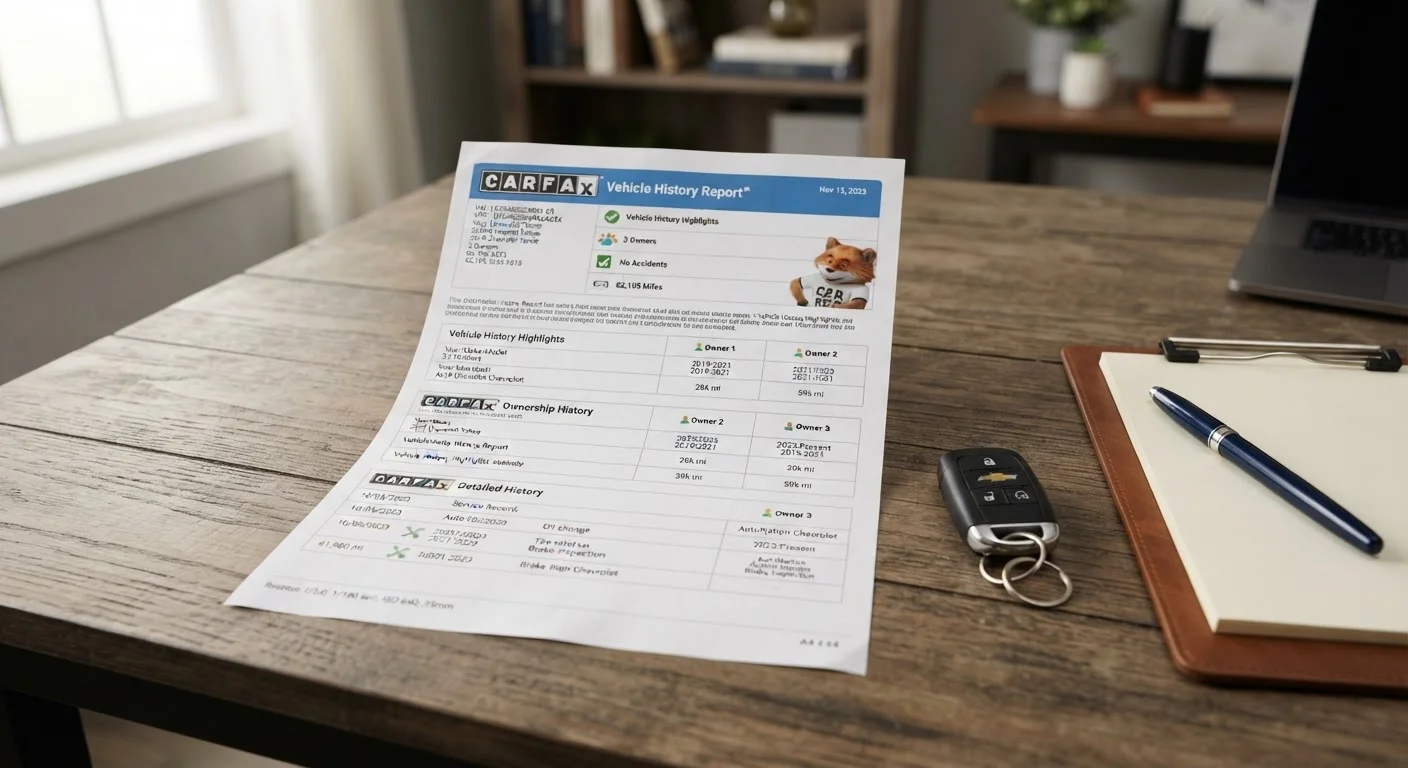
Photo: ResultsExplorer.com | Top Blogs For Everyone editorial
Key Takeaways
- A vehicle history report pulls data from multiple sources, so no single report is guaranteed to be complete.
- The title history section reveals critical branding like salvage, flood, or lemon law designations.
- Odometer readings logged across ownership events can indicate potential rollback fraud.
- Accident records depend on whether incidents were reported to insurers or law enforcement.
- Always pair the report with a pre-purchase inspection by a qualified mechanic.
What a Vehicle History Report Actually Contains
A vehicle history report is a compiled document - not a single database - that aggregates records from state DMV agencies, insurance companies, auto auctions, law enforcement, and inspection stations. Because the data comes from so many sources, the report is only as complete as what was reported to those sources. Understanding this upfront prevents over-reliance on any single finding.
Most reports are organized into standard sections: title and branding history, odometer readings, accident and damage events, ownership history, and sometimes service or recall records. Each section answers a different question about the vehicle's past.
What you will need
Having the right tools at hand before you start makes the process significantly faster.
Vehicle Identification Number (VIN)
Used to pull all records associated with a specific vehicle from databases.
Vehicle History Report
The compiled document containing title, ownership, accident, and odometer data for the vehicle.
Pre-Purchase Inspection by a Mechanic
A physical inspection that catches mechanical issues a paper report cannot reveal.
How to Work Through the Report Step by Step
Rather than skimming the report for a summary verdict, work through each section deliberately. A single alarming entry - like a salvage brand - may be a dealbreaker regardless of everything else. Conversely, a report with minor incidents and consistent mileage may reflect a well-documented, honestly used vehicle. The steps below guide you through each section in the order that matters most.
Locate and verify the VIN
The Vehicle Identification Number is your entry point. Every vehicle sold in the US since 1981 carries a standardized 17-character VIN. You can find it on the driver's side dashboard (visible through the windshield), the driver's side door jamb sticker, the vehicle title, or insurance documents. Before purchasing any report, confirm the VIN on the physical vehicle matches what appears on the seller's paperwork. A mismatch is a red flag worth investigating before going further.
Review the title history section
The title history is often the most consequential section of the report. It records every title issued for the vehicle and flags any special designations applied to it. Key terms to understand:
- Salvage title: The vehicle was declared a total loss by an insurer, typically after a major accident or natural disaster.
- Rebuilt/reconstructed title: A salvage vehicle that was repaired and passed a state inspection - but may still carry elevated risk.
- Flood damage: Indicates water intrusion significant enough to be recorded, which can cause long-term electrical and mechanical problems.
- Lemon law buyback: The manufacturer repurchased the vehicle due to repeated unresolved defects under state lemon laws.
Any of these designations materially affects the vehicle's value and insurability. See our guide to transferring a vehicle title for more on how title status affects the ownership transfer process.
Check the odometer history
The report logs odometer readings at various points - registration renewals, inspections, and ownership transfers. Review these readings in chronological order. The mileage should increase consistently over time. A sudden drop in recorded mileage, or a large unexplained gap between readings, may suggest odometer rollback, which is illegal under federal law. Gaps in the timeline are not automatically suspicious - a vehicle stored or lightly used may accumulate little mileage - but large inconsistencies warrant direct questions to the seller.
Examine the accident and damage records
This section lists reported collisions, airbag deployments, and structural damage events. Understand its limitations: only incidents reported to insurance companies or law enforcement typically appear here. A vehicle involved in a private cash repair after a minor fender bender may show no record at all. When incidents are listed, note the severity (minor, moderate, or severe) and which part of the vehicle was affected. Structural or frame damage is significantly more serious than cosmetic panel damage and may affect long-term safety and repairability.
Review ownership and use history
The report typically shows how many owners the vehicle has had, the states where it was registered, and sometimes how the vehicle was used - personal, fleet, rental, lease, or taxi. Rental and fleet vehicles are often well-maintained under scheduled programs but may have experienced heavier use cycles. Multiple owners in a short period can indicate recurring problems that prompted quick resale, though context matters. State-to-state transfers can also reveal if the vehicle moved from a rust-prone region or a state with different emissions standards.
Note service and recall records if present
Some reports include optional sections on dealer or shop-reported maintenance and open safety recalls. Recall information is particularly useful - if an open recall appears, it means the manufacturer's required safety repair has not yet been completed. You can verify open recalls independently using the National Highway Traffic Safety Administration (NHTSA) website by entering the VIN at no cost. Do not rely solely on the history report for recall status; check the NHTSA database directly for the most current information.
Cross-Check Reports When Possible
Once you have reviewed the report, compare your findings with a check of the vehicle's fluid levels during the in-person inspection - physical condition should align with the paper record.
What the Report Cannot Tell You
A vehicle history report is a useful starting point, not a final verdict. It cannot detect mechanical wear, deferred maintenance, or damage repaired without an insurance claim or police report. It will not reveal whether the engine is near the end of its serviceable life, whether brake pads are worn, or whether suspension components have deteriorated.
For these reasons, a pre-purchase inspection by a qualified, independent mechanic remains essential - even when the history report looks clean. Think of the report as a background check and the mechanic's inspection as the physical exam. Both serve different, complementary purposes.
This article is for general informational purposes only. Vehicle history reports vary by provider, and no report guarantees a complete or fully accurate account of a vehicle's history. Always verify key details through independent sources and consult qualified professionals before making any purchase decision.
The content provided on our blog site traverses numerous categories, offering readers valuable and practical information. Readers can use the editorial team’s research and data to gain more insights into their topics of interest. However, they are requested not to treat the articles as conclusive. The website team cannot be held responsible for differences in data or inaccuracies found across other platforms. Please also note that the site might also miss out on various schemes and offers available that the readers may find more beneficial than the ones we cover.