
Finding and Reading Your Car's Essential Fluid Levels

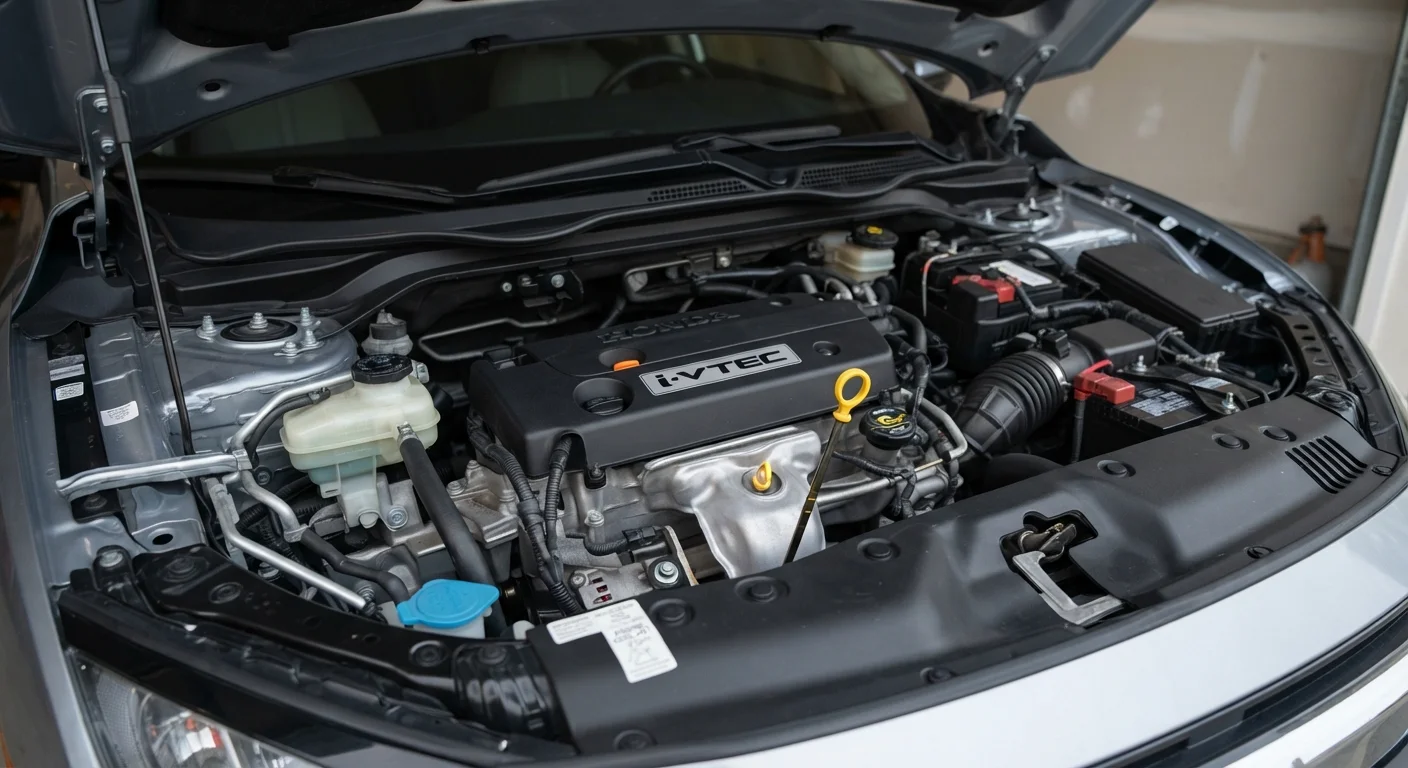
Photo: ResultsExplorer.com | Top Blogs For Everyone editorial
Key Takeaways
- Most vehicles have five core fluids to monitor: engine oil, coolant, brake fluid, power steering fluid, and windshield washer fluid.
- Always check fluids on a level surface with the engine cold or warm as specified - not hot - for accurate readings.
- Min and Max markers on reservoirs tell you exactly where the fluid should sit; never overfill.
- Low brake fluid or a sudden drop in any level can signal a leak requiring professional attention.
- Routine fluid checks take under 20 minutes and can prevent costly repairs down the road.
Why Fluid Checks Belong in Every Driver's Routine
Fluids are the lifeblood of a vehicle's mechanical systems. Engine oil lubricates moving parts, coolant prevents overheating, brake fluid transmits pedal force to the brakes, power steering fluid (where present) aids steering effort, and washer fluid keeps your windshield clear. When any of these drops below its safe operating range - or degrades in quality - performance suffers and damage can follow.
The good news: checking all five takes less than 20 minutes and requires no special tools beyond a clean rag and your owner's manual. Folding these checks into your regular routine - whether monthly or each time you stop for fuel - puts you in a much stronger position to catch small issues before they grow into large repair bills. They also connect directly to broader maintenance habits; see the full maintenance timeline for context on how fluid checks fit alongside other service intervals.
What you will need
What Each Fluid Reading Is Actually Telling You
Fluid level markings - typically labeled Min/Max or Low/Full - define a safe operating window. Reading within that window is normal. Consistently near the minimum is a pattern worth watching. At or below minimum is an actionable signal, not something to defer.
Color and texture matter as much as level. Clean engine oil is amber; dark brown is due for a change; milky or frothy oil can indicate coolant mixing with oil - a serious mechanical problem. Brake fluid darkens naturally with age as it absorbs moisture. Coolant that looks rusty or oily has likely been contaminated. If any fluid looks or smells unusual, consult a mechanic.
A Sudden Drop Always Needs Investigation
If a dashboard warning light accompanies a low reading, treat it as urgent. Our dashboard warning lights guide explains what each symbol means and how quickly it demands a response.
Building these checks into seasonal inspections is also worthwhile - temperature extremes affect how fluids perform. Our seasonal inspection guide walks through what to look at before each major weather shift.
Park safely and prepare the vehicle
Pull onto a flat, level surface and turn off the engine. For an accurate engine oil reading, the car should have been sitting for at least five minutes so oil drains back into the sump. For coolant, wait at least 30 minutes after driving - a hot cooling system is pressurized and can cause burns if opened. Engage the parking brake before opening the hood.
Locate and check engine oil
Find the oil dipstick - usually identified by a brightly colored loop or handle labeled with an oil can icon. Pull it out, wipe it clean with your rag, reinsert it fully, then pull it out again. Look at the tip: the oil film should sit between the Min and Max marks. Also note the oil's color and consistency - healthy oil ranges from amber to dark brown. Black, gritty, or milky oil warrants a visit to a mechanic.
Check the coolant (antifreeze) level
The coolant reservoir is typically a translucent plastic tank near the radiator. You can read the level through the tank wall without opening it - look for the Low and Full lines. The fluid should be between these marks and should appear bright green, orange, or pink depending on the type used. A consistently low level can indicate a leak in the cooling system and should be investigated promptly.
Inspect brake fluid
The brake fluid reservoir is a small, semi-translucent container located on top of the brake master cylinder, usually near the firewall on the driver's side. Most can be read without opening. The level should sit between Min and Max. Brake fluid should be clear to light yellow; dark brown fluid is degraded and may need flushing. A low level sometimes indicates worn brake pads - but a sudden, significant drop suggests a leak that requires immediate professional attention. For more context on how brake fluid fits into the larger system, see our braking system overview.
Check power steering fluid (if applicable)
Many newer vehicles use electric power steering and have no fluid reservoir. If your car has hydraulic power steering, the reservoir is typically a small capped container with a steering wheel icon, often located near the front of the engine. Some have a dipstick on the cap; others have Min/Max markings on the reservoir wall. The fluid should be within the marked range and should appear clear to light amber. If you notice a whining noise when turning, check this fluid first.
Top up windshield washer fluid
The windshield washer reservoir is usually the easiest to find - a large plastic tank marked with a windshield and spray icon. Remove the cap and check the level visually or by dipping a finger. Top it up with premixed washer fluid rated for your climate. In freezing temperatures, use a fluid with an appropriate freeze-resistance rating to prevent the reservoir and lines from cracking.
The content provided on our blog site traverses numerous categories, offering readers valuable and practical information. Readers can use the editorial team’s research and data to gain more insights into their topics of interest. However, they are requested not to treat the articles as conclusive. The website team cannot be held responsible for differences in data or inaccuracies found across other platforms. Please also note that the site might also miss out on various schemes and offers available that the readers may find more beneficial than the ones we cover.