
Dashboard Warning Lights: What Each Symbol Is Telling You

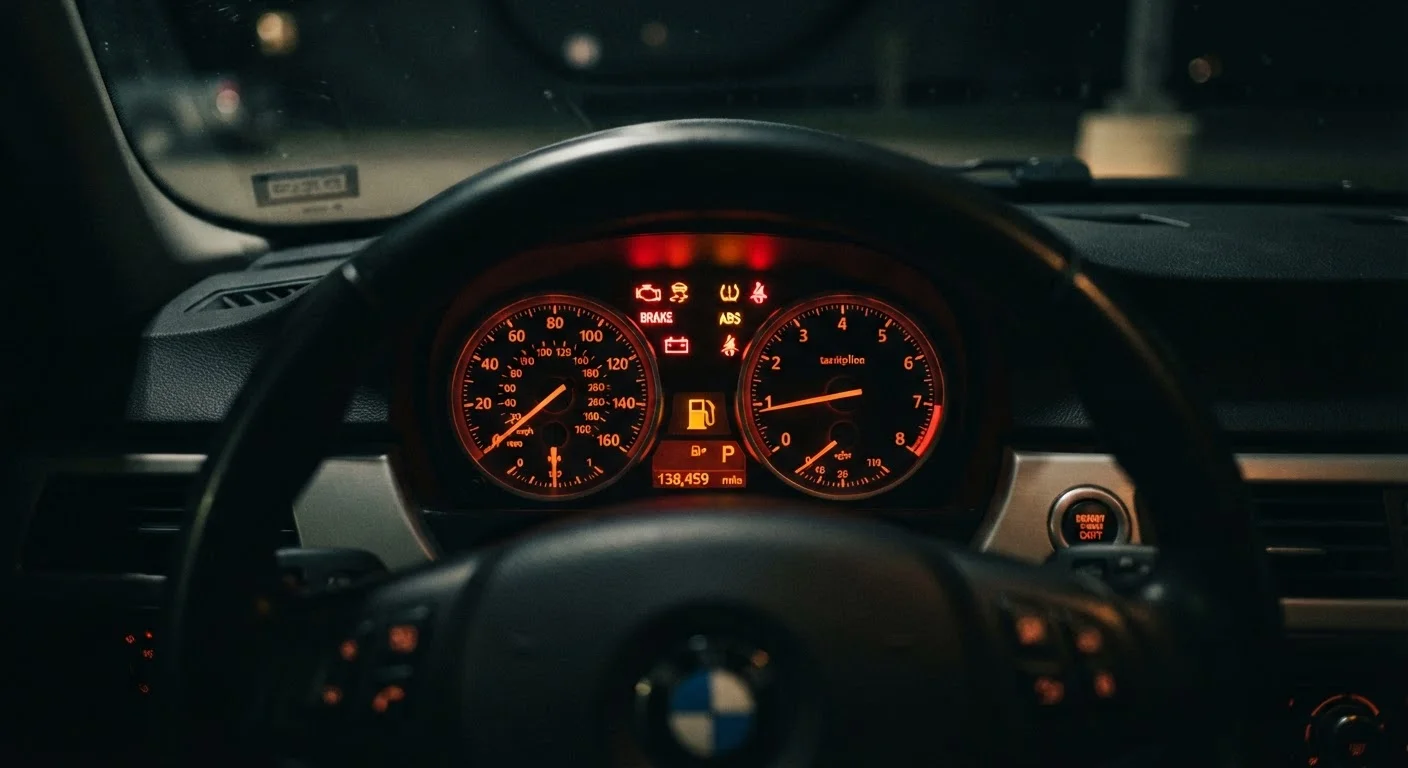
Photo: ResultsExplorer.com | Top Blogs For Everyone editorial
How the Warning Light System Works
Modern vehicles are equipped with an OBD system that continuously monitors dozens of sensors - from engine temperature to brake pressure. When a sensor reading falls outside its normal range, the vehicle's computer triggers a dashboard warning light. Think of these lights as your car's way of filing a trouble report.
Warning lights follow a consistent color logic across most US vehicles:
- Red - Stop or act immediately. Driving further may cause serious damage or create a safety hazard.
- Amber/Yellow - Attention required soon. The issue isn't immediately dangerous, but should be diagnosed promptly.
- Green or Blue - Informational. A system is active (e.g., high beams are on).
If you're unsure whether a light warrants immediate action, consult your owner's manual first - it contains the definitive reference for your specific vehicle's symbols.
| Warning light colors used | Red (urgent), Amber (caution), Green/Blue (informational) |
| OBD-II required in US since | 1996 (most passenger vehicles) (US Environmental Protection Agency) |
| TPMS mandatory in US since | 2008 (all new passenger vehicles) (NHTSA Federal Motor Vehicle Safety Standard No. 138) |
| Flashing check engine light | Indicates active misfire - reduce speed, seek service same day |
| First reference for any warning light | Your vehicle's owner's manual |
Common Warning Lights and What They Mean
Below are the most frequently seen dashboard symbols, organized by urgency.
Stop Immediately (Red Lights)
- Oil Pressure Warning (oil can icon)
- Low oil pressure can cause catastrophic engine damage within minutes. Pull over safely, shut off the engine, and check the oil level. Do not continue driving until the cause is identified. See how to check your engine oil for guidance.
- Engine Temperature (thermometer in water icon)
- Your engine is overheating. Pull over, turn off the engine, and allow it to cool before opening the hood. Adding coolant to a hot engine is dangerous - wait at least 30 minutes.
- Brake System Warning (exclamation mark in circle icon)
- If your parking brake is released and this light is on, brake fluid may be low or there's a hydraulic system fault. Reduced stopping power is a serious safety risk. Understanding your braking system can help you recognize what may be failing.
- Battery / Charging (battery icon)
- The charging system isn't maintaining adequate voltage. The car may run for a short time on battery reserve, but electrical systems will shut down progressively. Have the alternator and battery tested promptly. Learn more about battery lifespan and load testing.
Address Soon (Amber/Yellow Lights)
- Check Engine Light (engine outline icon)
- This is the most misunderstood light on the dashboard. It can signal anything from a loose gas cap to a misfiring cylinder. A steady amber light means schedule a diagnostic scan soon; a flashing check engine light indicates an active misfire that can damage the catalytic converter - reduce speed and see a mechanic that day.
- Tire Pressure Monitoring System (TPMS) (flat tire with exclamation icon)
- One or more tires is significantly under-inflated. Check and adjust pressure when it's safe to do so. Under-inflated tires affect handling, fuel economy, and tire lifespan.
- Traction Control / Stability Control (car with skid lines icon)
- If this flashes briefly, the system is actively correcting wheel slip - normal in slippery conditions. A steadily lit symbol means the system has been disabled or has a fault.
- Airbag / Supplemental Restraint System (SRS) (seated person with circle icon)
- A fault has been detected in the airbag system. The airbags may not deploy correctly in a crash. This requires professional diagnosis.
OBD-II
On-Board Diagnostics, second generation - a standardized system used in most US vehicles since 1996 that monitors engine and emissions components and stores fault codes when problems are detected.
Fault Code (DTC)
A Diagnostic Trouble Code stored by the vehicle's computer when a sensor reading falls outside acceptable parameters. A scan tool reads these codes to help identify the source of a warning light.
TPMS
Tire Pressure Monitoring System - a sensor-based safety feature required on all US passenger vehicles since 2008 that alerts drivers when tire pressure drops significantly below the recommended level.
Catalytic Converter
An emissions control device in the exhaust system that converts harmful combustion byproducts into less harmful gases. It can be damaged by prolonged engine misfires, which is why a flashing check engine light requires prompt attention.
Alternator
A generator driven by the engine that charges the battery and powers electrical systems while the vehicle is running. A failing alternator will cause the battery warning light to illuminate.
Ignoring these signals can turn minor issues into major repairs. Small problems frequently escalate when early warning signs go unaddressed.
What to Do When a Light Comes On
Your first step should always be to stay calm. A single warning light rarely means your car is about to stop working - but it does mean the vehicle has flagged something worth understanding. Follow this general process:
- Note the color. Red means act now; amber means schedule attention.
- Check your owner's manual. The exact symbol and its meaning for your make and model are listed there.
- Assess how the car feels. Unusual sounds, smells, vibrations, or handling changes alongside a warning light increase urgency significantly.
- Visit a repair shop for a diagnostic scan. Most shops and many auto parts retailers can pull OBD-II fault codes for free or a small fee. This pinpoints the problem before any repairs begin.
Resetting a warning light without fixing the underlying issue will only cause it to return - and may mask a worsening problem. For a broader view of car ownership basics, including maintenance planning, our hub has practical guidance for everyday drivers.
This article is for general informational purposes only. Always consult a qualified mechanic for diagnosis and repair decisions specific to your vehicle.
The content provided on our blog site traverses numerous categories, offering readers valuable and practical information. Readers can use the editorial team’s research and data to gain more insights into their topics of interest. However, they are requested not to treat the articles as conclusive. The website team cannot be held responsible for differences in data or inaccuracies found across other platforms. Please also note that the site might also miss out on various schemes and offers available that the readers may find more beneficial than the ones we cover.