
Your Car's Braking System: A Plain-Language Walkthrough

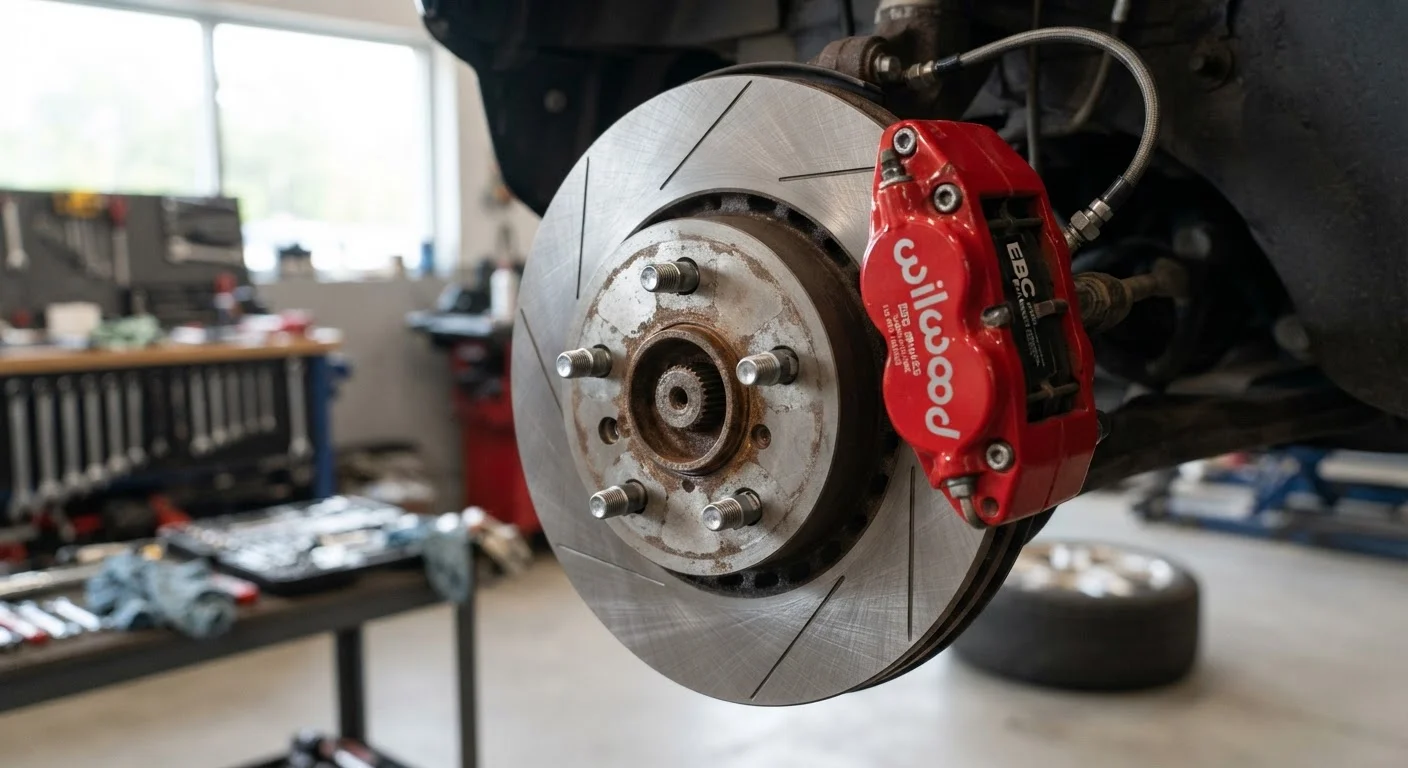
Photo: ResultsExplorer.com | Top Blogs For Everyone editorial
Key Takeaways
- Brake pads, rotors, calipers, and brake fluid all work together to slow your vehicle safely.
- Squealing, grinding, or a soft brake pedal are warning signs that need prompt attention.
- Brake fluid absorbs moisture over time and should be checked and replaced on schedule.
- Most brake inspections involve looking at pad thickness and rotor condition through the wheel spokes.
- Braking issues that are ignored tend to escalate in cost and risk - address them early.
How Your Braking System Works
Every time you press the brake pedal, you're setting off a chain reaction that converts the kinetic energy of a moving vehicle into heat, slowing it to a stop. Modern passenger cars use a hydraulic disc brake system on most or all wheels. Hydraulic means the system uses pressurized liquid - brake fluid - to transfer force from your foot to the brakes at each wheel.
Here's the basic sequence: pressing the pedal pushes a piston inside the master cylinder, which forces brake fluid through brake lines to each wheel. That pressure squeezes brake pads against spinning metal discs called rotors, creating friction that slows the wheel. Release the pedal and the pressure drops, allowing the pads to pull back slightly. Simple in concept - but the precision of each component matters enormously for safety.
Hydraulic system
A system that uses pressurized liquid to transmit force. In brakes, pressing the pedal pressurizes fluid that travels to each wheel to engage the brakes.
Brake pads
Friction material that clamps against the rotor to slow the wheel. They wear down over time and must be replaced when they get too thin.
Rotor
The flat metal disc that spins with the wheel. Brake pads press against it to create the friction that slows the car.
Caliper
The clamp-like housing that holds the brake pads and pushes them against the rotor when hydraulic pressure is applied.
Master cylinder
The component that converts your foot's pedal pressure into hydraulic pressure and distributes it through the brake lines.
Brake fluid
The specialized liquid that carries hydraulic pressure through the brake lines. It absorbs moisture over time and needs periodic replacement.
ABS (Anti-lock Braking System)
A safety system that prevents wheels from locking up during hard braking, helping the driver maintain steering control.
Wear indicator
A small metal tab on brake pads that contacts the rotor and produces a squealing sound when the pads have worn to a low thickness.
The Main Components Explained
Understanding what each part does makes it much easier to follow what a mechanic tells you - and to notice when something doesn't sound right.
Brake Pads
Pads are friction material bonded to a metal backing plate. They press against the rotor to create stopping force. As they wear, pad thickness decreases. Most pads include a small metal tab called a wear indicator that contacts the rotor and produces a high-pitched squeal when pads are near the end of their life.
Rotors
Rotors (also called brake discs) are the flat metal discs that spin with the wheel. Pads clamp onto them to create friction. Over time, rotors develop grooves, heat cracks, or become too thin - all of which reduce braking effectiveness. Rotors are measured for minimum thickness and resurfaced or replaced when they fall below that spec.
Calipers
The caliper houses the brake pads and one or more pistons. When hydraulic pressure arrives from the master cylinder, the piston(s) inside the caliper push the pads against the rotor. A stuck caliper - one that doesn't release fully - causes constant pad-to-rotor contact, leading to rapid wear and heat buildup.
Brake Fluid
Brake fluid is the hydraulic medium that carries your pedal force to the calipers. It must withstand high temperatures without boiling. Over time it absorbs moisture, which lowers its boiling point and can introduce air into the lines. For guidance on locating and reading the brake fluid reservoir, see this fluid-level walkthrough.
Master Cylinder
The master cylinder converts pedal pressure into hydraulic pressure. It holds the brake fluid reservoir and houses the primary piston. If it fails, the entire system loses pressure and braking ability drops sharply - this is why a sudden soft pedal warrants immediate attention.
Warning Signs That Something's Wrong
Your braking system communicates problems in recognizable ways. Learning these signals means you can act before a minor issue becomes a major - or dangerous - one.
- Squealing or squeaking: Usually the wear indicator telling you pads are low. Don't ignore it for long.
- Grinding: Metal-on-metal contact. Pads are likely worn through - rotor damage may follow quickly.
- Soft or spongy pedal: Air in the lines or low fluid. Hydraulic pressure is compromised.
- Pedal pulsing or vibrating: Often indicates warped or uneven rotors.
- Pulling to one side: Uneven braking force - possibly a stuck caliper or uneven pad wear.
- Burning smell after driving: Overheated brakes or a dragging caliper.
- Brake warning light: Could indicate low fluid, a system fault, or the parking brake being engaged. See what your dashboard warning lights mean for context.
Don't Wait on Grinding or a Soft Pedal
What You Can Check Yourself
You don't need to remove wheels to get a basic sense of brake condition. Through the wheel spokes of most vehicles, you can see the rotor surface and get a rough view of pad thickness pressed against it. Pads worn to less than about a quarter inch are generally considered due for replacement, though your mechanic can give you a precise measurement.
Checking brake fluid is similarly straightforward. The reservoir is usually a small translucent plastic tank near the back of the engine bay marked with MIN and MAX lines. The fluid should be between those lines and appear clear to light amber - dark, murky fluid is a sign it's due for a change. Incorporating brake checks into seasonal vehicle inspections is a practical habit; the seasonal vehicle inspection guide outlines a useful routine.
Make Brake Checks a Seasonal Habit
When to See a Mechanic
Some brake tasks - like bleeding the brake lines, replacing calipers, or resurfacing rotors - require specialized tools, skills, and safety precautions. If you notice any of the warning signs listed above, or if it's been more than two to three years since your brake fluid was changed, scheduling a professional inspection is the right call.
Brake work falls squarely in the category of safety-critical maintenance. Skipping or delaying it rarely saves money in the long run - small brake problems that get ignored tend to compound into much larger repairs. For a broader view of when every major system should be inspected, the full car maintenance timeline is a helpful reference.
When you take your car in, ask the technician to show you the pad thickness measurement and rotor readings - a good shop will walk you through what they found. Understanding the numbers helps you make informed decisions rather than simply approving whatever is recommended.
Frequently Asked Questions
The content provided on our blog site traverses numerous categories, offering readers valuable and practical information. Readers can use the editorial team’s research and data to gain more insights into their topics of interest. However, they are requested not to treat the articles as conclusive. The website team cannot be held responsible for differences in data or inaccuracies found across other platforms. Please also note that the site might also miss out on various schemes and offers available that the readers may find more beneficial than the ones we cover.