
Car Battery Basics: Lifespan, Load Testing, and Warning Signs

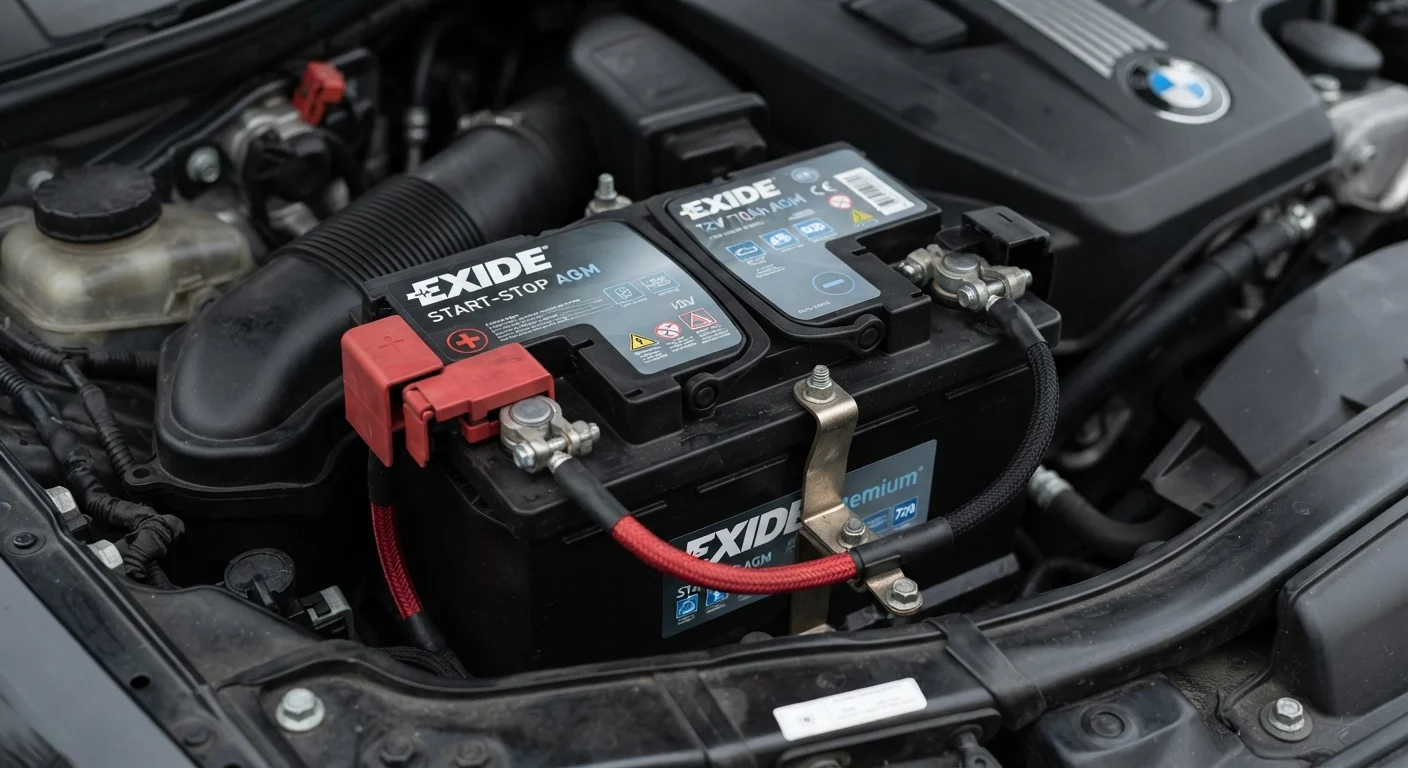
Photo: ResultsExplorer.com | Top Blogs For Everyone editorial
How Long Should a Car Battery Last?
Most conventional lead-acid car batteries are designed to last somewhere between three and five years under typical driving conditions. Absorbed glass mat (AGM) batteries - common in vehicles with start-stop systems or higher electrical demands - can extend that range to five to seven years in some cases. However, actual lifespan depends on several factors that vary by driver and environment.
| Typical battery lifespan | 3-5 years (conventional); 5-7 years (AGM) |
| Key lifespan factor | Climate, driving habits, and charge cycles |
| Load test pass threshold | Voltage stays above ~9.6V under half-CCA load |
| When to test | Every 2-3 years, or if warning signs appear |
| Cost of load testing | Typically free at auto parts retailers |
Extreme heat is one of the most damaging forces a battery faces. High temperatures accelerate the chemical degradation inside the battery, while cold weather forces the battery to work harder to deliver the cranking power needed to start the engine. Frequent short trips - where the alternator doesn't have enough time to fully recharge the battery - also shorten service life. If your battery regularly sits partially discharged, its capacity will diminish faster than average.
Keeping track of your battery's age is the simplest way to stay ahead of failure. If you don't know when it was last replaced, a sticker on the battery casing usually shows the installation or manufacture date. Building battery checks into routine maintenance - particularly before winter - is a practical habit. See what to inspect as seasons change for a broader seasonal checklist.
What Is Load Testing and Why Does It Matter?
A voltage check alone can be misleading - a battery may read a healthy 12.6 volts at rest yet still fail to deliver enough power to start the engine under real-world demand. That's where load testing comes in.
Cold Cranking Amps (CCA)
A rating that measures how much current a battery can deliver for 30 seconds at 0°F (-18°C) while maintaining at least 7.2 volts. It indicates a battery's ability to start an engine in cold conditions.
Load Test
A diagnostic procedure that applies a controlled electrical draw to a battery to evaluate how well it holds voltage under realistic demand. It is more accurate than a simple resting voltage check.
AGM Battery
Absorbed Glass Mat battery - a sealed battery type that uses fiberglass mats to hold electrolyte. AGM batteries typically handle deeper discharge cycles better than conventional flooded lead-acid batteries and are common in modern vehicles with start-stop systems.
Reserve Capacity (RC)
The number of minutes a fully charged battery can deliver a steady 25-amp current before dropping below 10.5 volts. It reflects how long a vehicle can run on battery power alone if the alternator fails.
A load test applies a controlled electrical draw to the battery - typically half its cold cranking amp (CCA) rating - for around 15 seconds while monitoring how far the voltage drops. A healthy battery holds its voltage above a minimum threshold (usually around 9.6 volts) throughout the test. A battery that drops below that threshold is considered weak and should be replaced before it fails.
Most auto parts retailers and repair shops offer battery load testing at no charge. It takes only a few minutes and provides a far more reliable picture of battery health than a simple voltage reading. If your battery is more than three years old or you've noticed symptoms of weakness (see below), having it load tested is a sensible next step - not something to put off, since a failing battery can quietly grow into a larger problem.
Warning Signs Your Battery Is Fading
Batteries rarely fail without giving some advance notice. Recognizing these signals early can prevent a no-start situation at the worst possible time.
- Slow engine crank: If the engine turns over more sluggishly than normal - especially on a cold morning - the battery may be losing its ability to deliver sufficient cranking amperage.
- Electrical gremlins: Dimming headlights, sluggish power windows, or flickering interior lights can all point to a battery struggling to sustain voltage.
- Frequent need for jump-starts: Needing a jump more than once in a short period is a clear indicator the battery is no longer holding a charge reliably.
- Swollen battery case: Excessive heat can cause the battery casing to swell or bulge. This is a sign the battery has been damaged and should be inspected by a technician promptly.
- Rotten egg smell: A sulfurous odor near the battery suggests it may be leaking or overcharging - both situations that require professional attention.
- Battery warning light: A battery or charging system light on the dashboard signals the electrical system needs diagnosis. Our dashboard warning lights guide explains what that symbol means and how urgent it is.
Addressing battery issues promptly is consistent with sound vehicle ownership overall. It's the kind of proactive habit covered in managing car costs over the long term.
The content provided on our blog site traverses numerous categories, offering readers valuable and practical information. Readers can use the editorial team’s research and data to gain more insights into their topics of interest. However, they are requested not to treat the articles as conclusive. The website team cannot be held responsible for differences in data or inaccuracies found across other platforms. Please also note that the site might also miss out on various schemes and offers available that the readers may find more beneficial than the ones we cover.