
Vehicle Registration: What It Is, Why It Matters, and How It Works

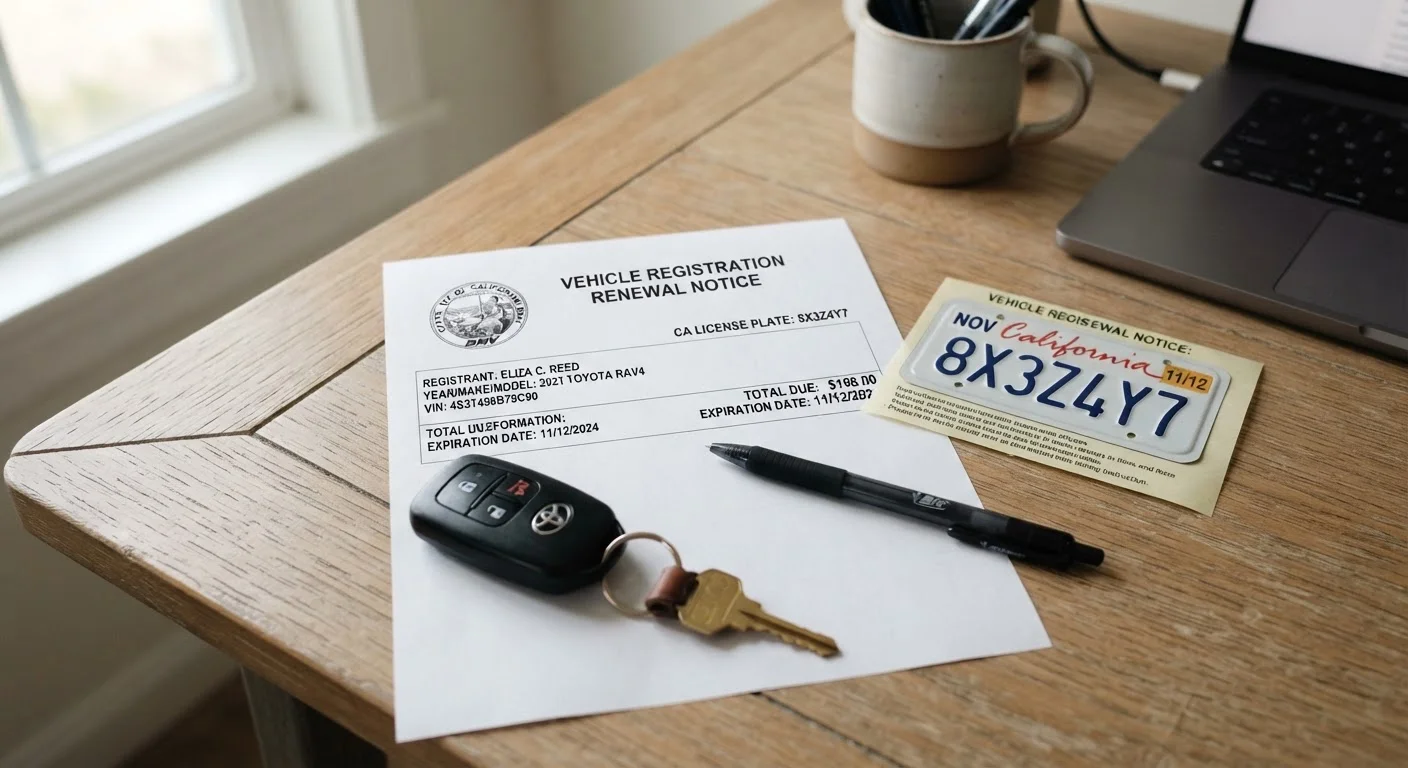
Photo: ResultsExplorer.com | Top Blogs For Everyone editorial
Key Takeaways
- Vehicle registration is a legal requirement in every U.S. state for operating a car on public roads.
- Registration fees vary significantly by state and are sometimes based on the vehicle's value or weight.
- New vehicles typically must be registered within 30 to 90 days of purchase, depending on the state.
- Driving with an expired registration can result in fines or your vehicle being impounded.
- Registration and vehicle title are separate documents that serve different legal functions.
- Most states offer online, mail, and in-person renewal options to make the process convenient.
What Vehicle Registration Actually Is
Every motor vehicle driven on U.S. public roads must be registered with the state in which the owner resides. Registration creates an official government record linking a specific vehicle - identified by its VIN - to its registered owner. In return, the state issues license plates and a registration certificate, both of which you're expected to keep accessible when driving.
It's worth separating registration from two concepts it's often confused with. First, a vehicle title establishes who legally owns the car. Registration is different - it's the ongoing permission to use the vehicle on public roads. Second, registration is not the same as a driver's license, which authorizes you as a person to drive. If you're new to car ownership, the administrative side of owning a car - including registration - is one area that often catches people off guard.
When you buy a new car from a dealership, the dealer typically handles initial registration as part of the transaction. With a private sale, that responsibility shifts to you as the buyer.
Documents You Need and How the Process Works
The registration process varies by state, but the core requirements are consistent. You'll generally need:
- Proof of ownership - a clean title or, in the case of a financed vehicle, documentation from your lender
- Proof of auto insurance - most states require you to show minimum liability coverage is active
- A valid government-issued ID - such as a driver's license
- Payment for fees - which differ widely by state
- A completed application form - available at your state's Department of Motor Vehicles (DMV) or equivalent agency
Some states add an emissions test or safety inspection requirement before they'll issue or renew a registration. These are typically handled at certified inspection stations, and you'll receive a certificate to submit with your registration paperwork.
Keep a Copy of Your Registration in the Vehicle
Once you've gathered your documents and paid the fees, the state issues your registration certificate and either new plates or a renewal sticker for your existing plate. Most states now let you complete renewals online, by mail, or in person - whichever is most convenient.
Registration Fees: What You're Paying and Why It Varies
Registration fees are not uniform across the country - they can range from under $30 in some states to several hundred dollars in others. Several factors influence what you'll pay:
- Vehicle value - some states base fees on the car's assessed or purchase value
- Vehicle age and type - older vehicles or smaller cars often carry lower fees
- Weight - heavier vehicles sometimes incur higher fees
- County or local surcharges - certain jurisdictions add their own fees on top of the state base rate
50
States requiring vehicle registration
Every U.S. state mandates registration for motor vehicles operated on public roads, though fee structures and renewal periods differ by state.
30-90 days
Typical window to register after purchase
Most states give new vehicle owners between 30 and 90 days to complete initial registration, with exact deadlines varying by jurisdiction.
$30-$225+
Typical annual registration fee range
According to general state DMV data, annual registration fees span a wide range across U.S. states, influenced by vehicle type, value, and local surcharges.
Registration fees are a predictable, recurring part of car ownership. They're worth factoring into your annual budget alongside insurance, fuel, and maintenance. For a broader look at how these costs add up, see the breakdown of annual car ownership costs.
Renewals, Deadlines, and What Happens If You Miss One
Registration doesn't last indefinitely. Most states require annual renewal, though some offer two-year registration periods. Your state's DMV will typically send a renewal notice by mail - and increasingly by email - before your expiration date. The expiration date itself is usually printed on your registration sticker and on the certificate.
Missing a renewal deadline is a common and avoidable mistake. Driving with an expired registration is a moving violation in most states, and officers can issue fines or, in some cases, have your vehicle towed. Getting back into compliance usually means paying both the renewal fee and any late penalties.
Staying organized with car admin deadlines - registration, insurance, and servicing - is straightforward once you build a system. The guide to managing car admin deadlines covers practical ways to stay on top of these recurring tasks.
If you buy or sell a vehicle, registration responsibilities shift at the point of transfer. Understanding how title transfers work alongside registration is important - a walkthrough of vehicle title transfers explains what each step typically involves and what both parties need to do.
Frequently Asked Questions
The content provided on our blog site traverses numerous categories, offering readers valuable and practical information. Readers can use the editorial team’s research and data to gain more insights into their topics of interest. However, they are requested not to treat the articles as conclusive. The website team cannot be held responsible for differences in data or inaccuracies found across other platforms. Please also note that the site might also miss out on various schemes and offers available that the readers may find more beneficial than the ones we cover.