
Hands-Free vs. Handheld Phone Laws: State-by-State Breakdown

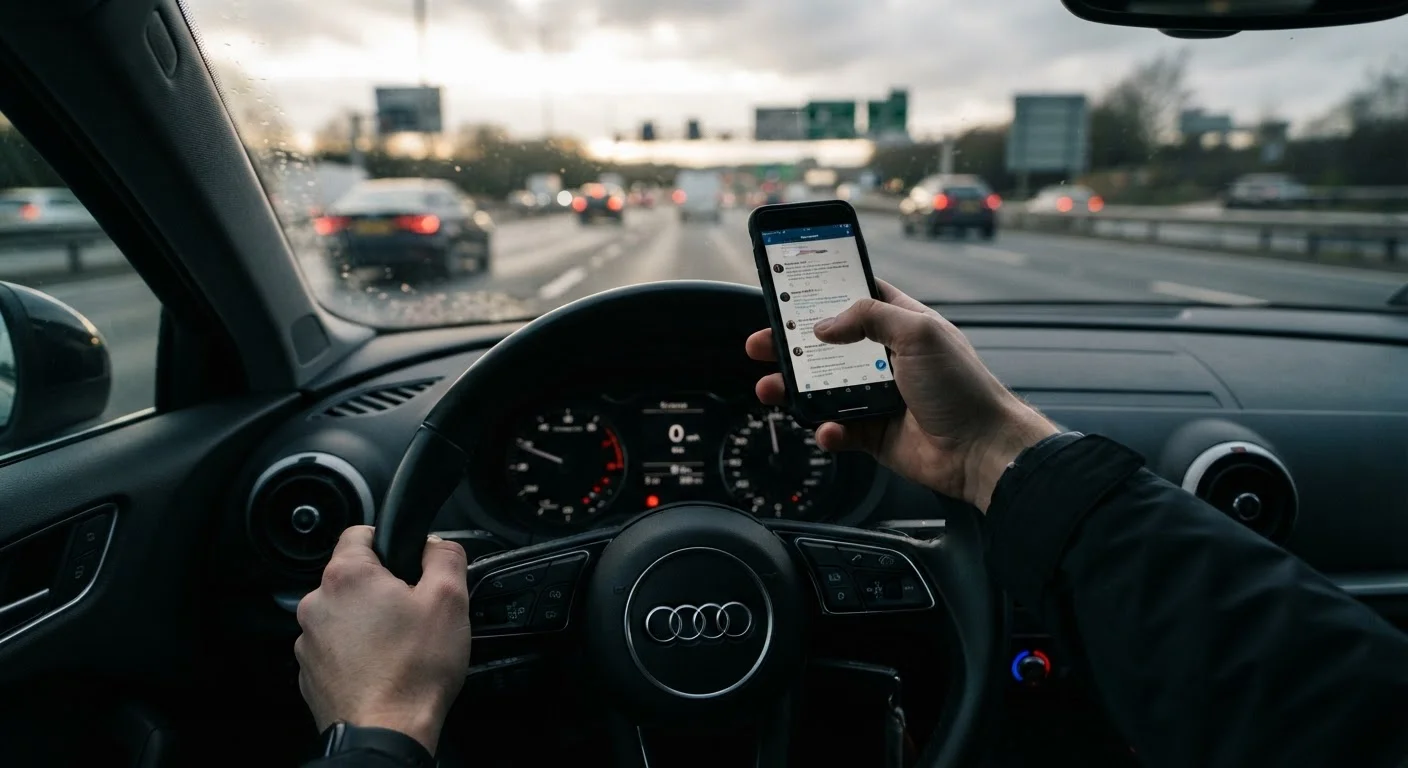
Photo: ResultsExplorer.com | Top Blogs For Everyone editorial
Key Takeaways
- Most US states ban handheld phone use while driving, but enforcement approaches differ widely.
- Some states require fully hands-free operation for all drivers; others only restrict texting.
- Penalties range from modest fines to license points, depending on the state and violation type.
- Hands-free does not always mean distraction-free - cognitive distraction remains a real risk.
- Teen and novice drivers face stricter phone restrictions in virtually every state.
Why Phone Laws Vary So Much by State
Traffic laws in the United States are largely set at the state level, which means phone-use rules differ significantly from one state to the next. Some states passed comprehensive hands-free legislation years ago, while others still limit their bans to texting alone. There is no single federal law mandating a uniform standard for all drivers, though the FMCSA does prohibit handheld device use for commercial truck and bus drivers nationwide.
Understanding the distinction between two key categories helps clarify where your state stands:
- Handheld ban: Prohibits physically holding a phone to make calls, browse, or perform any function while driving.
- Hands-free requirement: Requires that any phone use - including calls - be conducted without holding the device, typically via Bluetooth, a speakerphone mount, or voice commands.
Just like move over laws, phone laws are another area where many drivers assume the rules are the same everywhere - and are surprised to discover they aren't.
State-by-State Law Comparison
The table below groups states by the type of phone law currently in effect. Keep in mind that laws are updated periodically, so always verify your state's current statute through official government sources before relying on this summary.
| Law Type | Example States | Handheld Calls Allowed? | Texting Banned? | Teen Restriction | |
|---|---|---|---|---|---|
| All drivers: hands-free required | CA, NY, WA, GA, OR | No - must be hands-free | Yes | Yes - no phone use at all | |
| Handheld ban + texting ban | IL, NJ, CT, MD | No - device must be mounted | Yes | Yes - stricter than adults | |
| Texting ban only | TX, FL, SC, LA | Yes, with caution | Yes | Yes - full ban for teens | |
| No statewide handheld ban | MT (limited rules) | Generally yes | Varies | Yes - typically stricter | |
| Work/school zone enhanced fines | Most states | Same as general law | Yes | Yes |
A few important clarifications: states listed as "Texting ban only" generally still permit handheld calls, though local ordinances within those states may be stricter. States in the "All drivers: hands-free" column prohibit holding the phone for any purpose, including navigation and music. Even where handheld calls are technically allowed, holding a phone while driving can still support a distracted driving charge if an officer determines it contributed to erratic vehicle operation.
Penalties, Points, and Repeat Offenses
Fines for phone violations vary considerably. First-offense fines typically range from around $20 in some states to over $200 in others. Several states - including California, New York, and Washington - add points to a driver's license for handheld violations, which can affect insurance premiums over time. A handful of states treat repeat offenses as moving violations, meaning a pattern of violations can lead to license suspension.
Check Before You Cross State Lines
Notably, some states apply enhanced penalties in specific zones. School zones and work zones frequently carry doubled fines for distracted driving offenses, regardless of the base fine in that state. Checking for zone-specific rules in states you drive through regularly is worthwhile.
Special Rules for Teen and Novice Drivers
Even in states where experienced adult drivers are permitted to make handheld calls, teen drivers and those holding learner's permits or provisional licenses face stricter standards. Virtually every state prohibits any handheld or hands-free phone use for drivers under 18, or those within their supervised driving period. These restrictions reflect crash data consistently showing that young, inexperienced drivers face significantly elevated distraction risk compared to adults.
If you are a parent of a new driver or a teen learning to drive, the simplest guidance is: no phone use at all while driving, regardless of what the law technically permits for adult drivers in your state.
Hands-Free Still Means Distracted - What That Means for You
It is important to understand that complying with a hands-free law does not eliminate distraction risk. Research from institutions such as the AAA Foundation for Traffic Safety has found that voice-based interactions - including using voice commands or talking through Bluetooth - still divert cognitive attention from driving, even when a driver's eyes remain on the road and hands on the wheel.
Laws set the legal minimum, not the safety ideal. The safest approach when driving any vehicle is to pull over safely before making or taking calls, set up navigation before moving, and use your phone's Do Not Disturb While Driving mode to silence non-emergency notifications automatically. Treating phone use the same way you would any other serious road safety rule - such as the practices covered in laws governing emergency vehicle interactions - builds habits that protect you regardless of which state you're in.
This article provides general informational summaries of phone use laws for educational purposes only. Laws change, local ordinances may differ from state law, and this content is not legal advice. Always verify current regulations through your state's official department of motor vehicles or legislative resources before making decisions based on this information.
The content provided on our blog site traverses numerous categories, offering readers valuable and practical information. Readers can use the editorial team’s research and data to gain more insights into their topics of interest. However, they are requested not to treat the articles as conclusive. The website team cannot be held responsible for differences in data or inaccuracies found across other platforms. Please also note that the site might also miss out on various schemes and offers available that the readers may find more beneficial than the ones we cover.