
Fitness & Movement

Before You Start a Home Workout Routine

Before You Start a Home Workout Routine

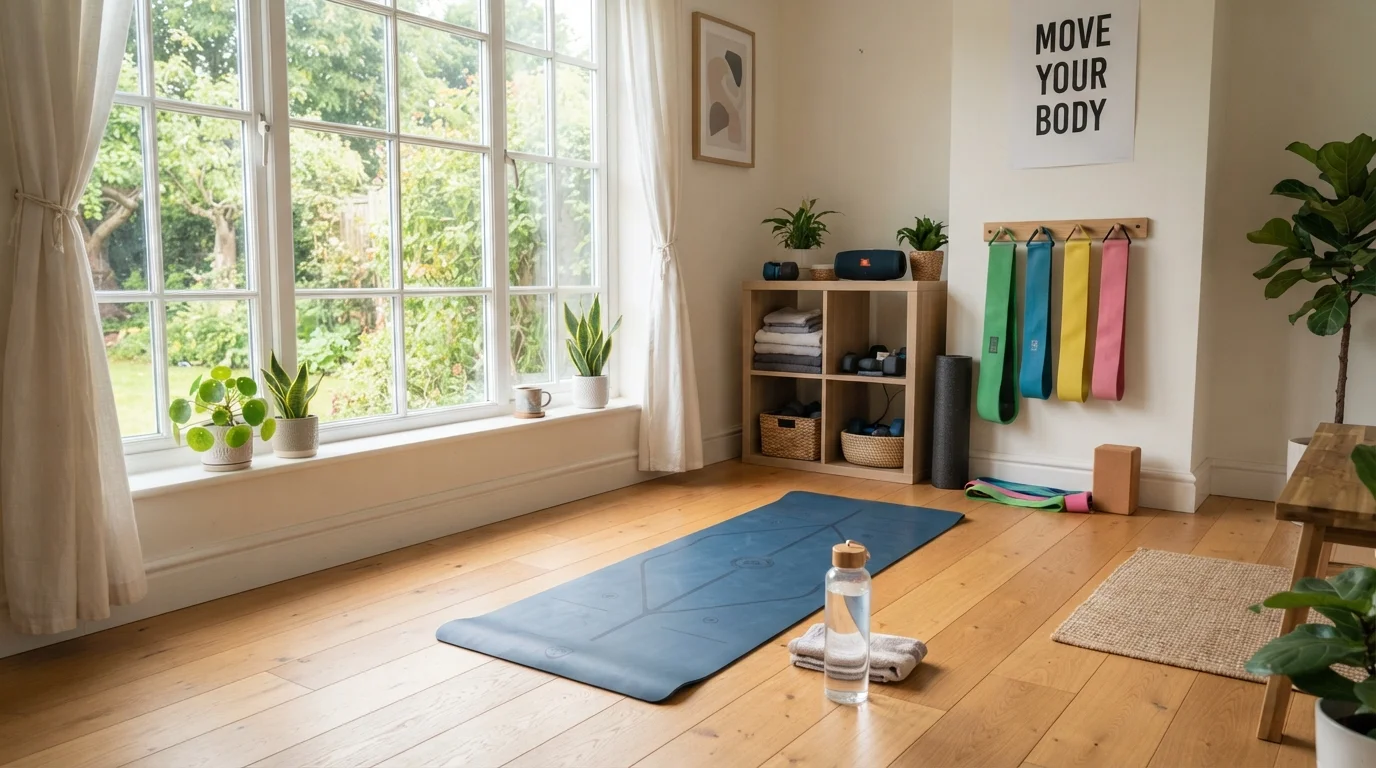
Photo: ResultsExplorer.com | Top Blogs For Everyone editorial

Space, equipment, scheduling, and safety — a practical checklist for setting up a home exercise habit on solid footing before your first session.

Key Takeaways

  • Consulting a healthcare provider before starting is essential for anyone with existing health conditions.
  • A dedicated, clutter-free space significantly reduces the chance of injury during exercise.
  • Scheduling workouts like appointments improves long-term consistency and follow-through.
  • You need far less equipment than most people assume to build an effective home routine.
  • Setting realistic goals from day one helps prevent early burnout and discouragement.

Why Preparation Matters Before You Move

Starting a home workout routine sounds simple — clear a space, press play on a video, and get moving. In practice, skipping foundational steps is one of the most common reasons people abandon their routines within the first few weeks. A little structured preparation upfront removes the friction that quietly kills good intentions.

This checklist walks you through the key decisions to make before your first session: health considerations, space setup, equipment, scheduling, and safety. Work through it once, and you'll start with genuine confidence rather than optimistic guesswork. If you're also weighing whether a solo routine suits you at all, our piece on solo training vs. group classes explores how different workout formats compare for long-term consistency.

Talk to Your Doctor First if You Have Health Conditions

If you have a cardiovascular condition, diabetes, orthopedic injuries, or any other chronic health issue, consult your healthcare provider before beginning any new exercise program. This checklist provides general educational information only — it is not medical advice, and no checklist can substitute for professional assessment of your individual health situation.

Tools You May Find Useful

Home workouts can be entirely equipment-free, but a few low-cost items expand your options considerably. Review what you already own before purchasing anything.

Required

Non-slip exercise mat

Provides cushioning for floor work and a stable, defined surface that reduces slip risk on smooth floors.

Optional

Resistance bands (set of varied tensions)

Adds progressive resistance to bodyweight movements without the cost or space demands of free weights.

Optional

Adjustable dumbbells or a single pair of light dumbbells

Enables upper-body and lower-body strength work once bodyweight movements feel manageable.

Required

Smartphone or tablet with a stand or mount

Lets you follow along with instructional videos hands-free, keeping your view consistent throughout a session.

Optional

Jump rope

Provides effective cardiovascular conditioning in very little space at low cost.

Optional

Foam roller or massage ball

Supports post-workout muscle recovery and can ease tightness between sessions.

The Pre-Start Checklist

Work through each group below before your first session. Items marked must are non-negotiable for safety and sustainability. Should items are strongly recommended, and nice-to-have items add comfort and structure over time.

Health & Medical Readiness

Schedule a check-in with your healthcare provider if you have a chronic condition, recent injury, or haven't been physically active for an extended period. Must
Complete a Physical Activity Readiness Questionnaire (PAR-Q), a standard self-screening tool widely available through public health organizations, to identify any red-flag symptoms before starting. Must
Note any medications that affect heart rate or blood pressure, since these can influence how your body responds to exertion — ask your provider if exercise intensity targets need adjusting. Should
Identify any movement restrictions or pain points so you can modify exercises appropriately from the start rather than discovering limitations mid-session. Should

Space Setup

Choose a dedicated area with enough clear floor space to lie down fully and extend your arms to the sides without hitting furniture or walls. Must
Remove tripping hazards — loose rugs, cords, and clutter — from your exercise zone before every session. Must
Ensure adequate ventilation by opening a window or using a fan; exercising in a poorly ventilated room raises core temperature faster and reduces workout quality. Should
Check that your flooring provides adequate grip; hardwood and tile can be slippery in socks — use a non-slip mat or wear appropriate footwear. Should
Consider ceiling height if you plan any overhead movements such as jumping jacks, overhead presses, or jump rope. Should
Position a mirror or use your device's front camera occasionally to self-monitor form, particularly for strength movements. Nice to have

Equipment & Attire

Wear supportive, well-fitting athletic shoes appropriate for your planned activity — or exercise barefoot only on surfaces and for movement types where that is safe. Must
Keep a water bottle within reach before every session; even moderate exercise at home causes fluid loss that affects performance and recovery. Must
Assess which pieces of equipment, if any, are genuinely needed for your chosen routine before purchasing — many effective bodyweight programs require nothing at all. Should
Inspect any existing equipment (resistance bands, dumbbells, jump ropes) for wear, fraying, or damage before use. Must
Keep a small first-aid kit accessible in your workout area. Nice to have

Scheduling & Goal Setting

Block specific workout times in your calendar and treat them with the same priority as other fixed commitments. Should
Set an initial frequency that fits your current life — starting with two to three sessions per week is manageable for most beginners and avoids early burnout. Should
Write down one or two concrete, realistic goals that are process-oriented (e.g., completing sessions consistently) rather than purely outcome-focused. Should
Plan your first four weeks loosely in advance so you're not making decisions about what to do while already in workout clothes. Nice to have

Safety & Emergency Preparedness

Know the warning signs that mean you should stop exercising immediately: chest pain or tightness, severe shortness of breath, dizziness, or sudden joint pain. Must
Make sure your phone is charged and within reach during sessions in case of an emergency. Must
If you exercise alone at home, consider letting a household member or neighbor know you're working out, particularly for high-intensity sessions. Nice to have

Once you're cleared, set up, and scheduled, your very next step is learning what a proper warm-up and cool-down actually look like. Our guide on effective warm-up and cool-down routines explains what exercise science supports — and what's mostly habit.

Don't Skip the Warm-Up

Jumping straight into vigorous exercise without preparing your body increases the risk of muscle strains and joint injuries. Even a brief warm-up — five to ten minutes of light movement that gradually elevates your heart rate — meaningfully reduces injury risk. Build it into your routine from the very first session.

Building the Habit From Day One

Preparation doesn't end after your first session. Sustainable home exercise is as much about behavioral setup as physical readiness. Treat scheduled workout times as firm commitments rather than flexible options, log how sessions feel (not just what you did), and adjust intensity gradually rather than chasing rapid progression.

If a fully structured workout simply doesn't fit certain days, movement still counts. Our article on fitting movement into a packed day covers practical strategies for staying active when dedicated sessions aren't possible.

This article is for general informational and educational purposes only and is not a substitute for professional medical advice. Always consult a qualified healthcare provider before beginning any new exercise program, particularly if you have a pre-existing health condition, injury, or are pregnant.

Health & Wellness Editorial Team

ResultsExplorer.com | Top Blogs For Everyone

Health & Wellness Editorial Team is the collective byline for our editorial team and contributor network. Articles published under this byline or an editorial pen name are researched, written, and reviewed according to our editorial standards for clarity, consistency, and independence before publication.

Nutrition BasicsFitness & MovementMental Well-Being
View author profile

The content provided on our blog site traverses numerous categories, offering readers valuable and practical information. Readers can use the editorial team’s research and data to gain more insights into their topics of interest. However, they are requested not to treat the articles as conclusive. The website team cannot be held responsible for differences in data or inaccuracies found across other platforms. Please also note that the site might also miss out on various schemes and offers available that the readers may find more beneficial than the ones we cover.