
Solo Training vs. Group Classes: Finding the Format That Suits You

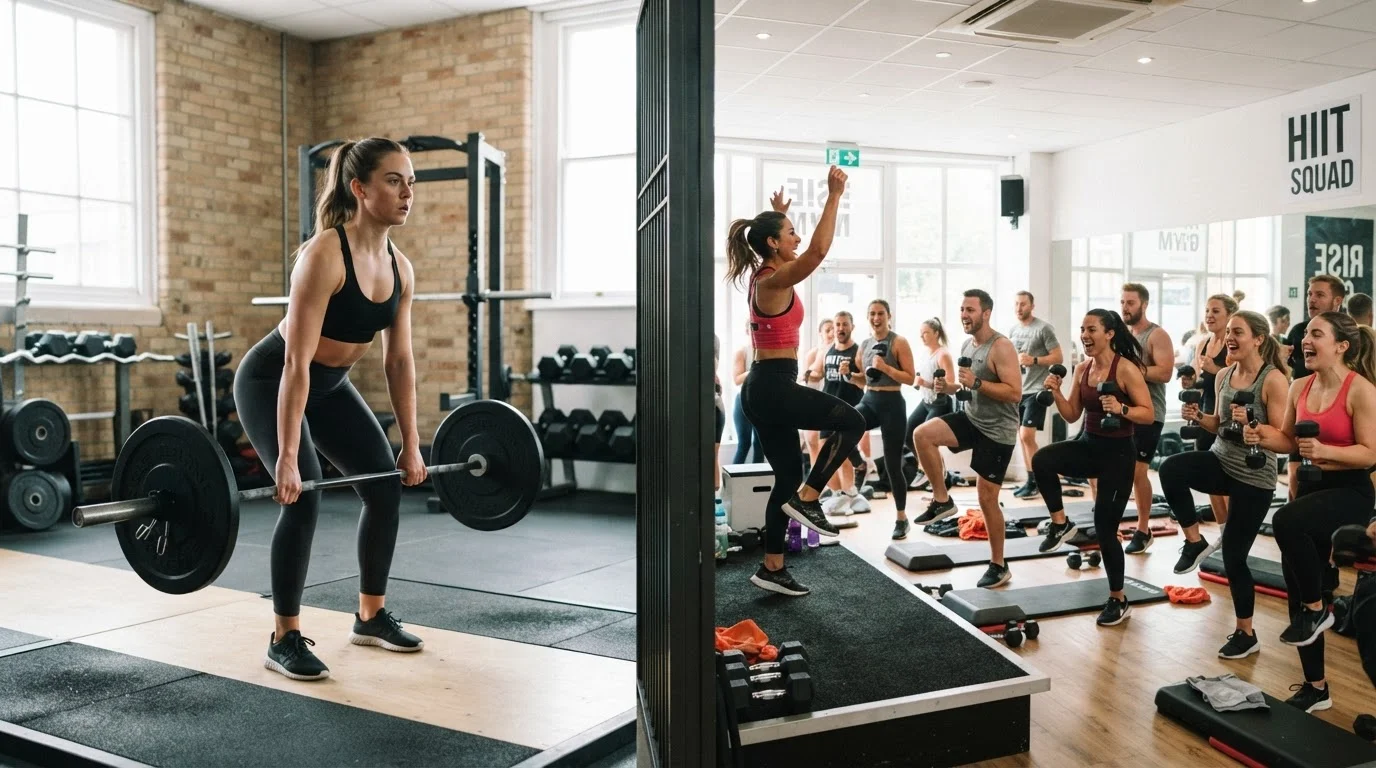
Photo: ResultsExplorer.com | Top Blogs For Everyone editorial
Key Takeaways
- Solo training offers maximum schedule flexibility and complete control over pace and programming.
- Group classes provide built-in social accountability and instructor-led structure that many beginners find valuable.
- Consistency over time matters more than which format you choose - the best option is the one you'll actually stick with.
- Combining both formats is a practical strategy that captures the strengths of each approach.
- Personal factors like motivation style, budget, and experience level should guide your decision.
What Each Format Actually Involves
Solo training covers any exercise you do independently - whether that is lifting weights at a gym, following a video at home, running a neighborhood route, or working with a personal program you have designed or downloaded. The defining feature is autonomy: you decide what to do, when, and at what intensity.
Group classes, by contrast, are instructor-led sessions with a shared structure - spin, yoga, HIIT, dance fitness, and similar formats all qualify. Participants follow a common workout within the same space and time window, though some virtual platforms now replicate this experience online.
If you are just beginning to build a movement habit, a grounded introduction to exercise can help you understand what to prioritise before committing to either format.
Accountability and Motivation
One of the sharpest differences between the two formats is where motivation comes from. In a group class, it is largely external: an instructor sets the pace, peers create energy, and a paid booking or a friend waiting at the door raises the cost of skipping. Research in exercise psychology consistently identifies social support as one of the strongest predictors of adherence, which gives group formats a structural advantage for people who are externally motivated.
Solo training places the entire motivational load on the individual. That is a genuine strength for self-directed exercisers - there is no waiting for a class time that does not suit you, no keeping up with a group pace that feels wrong that day. But for those who struggle with consistency, the absence of external accountability can become a real barrier. Strategies like training with a partner, using a workout log, or setting specific session times can help bridge that gap.
Try a Hybrid Approach
Flexibility, Cost, and Practicality
Solo training wins on scheduling flexibility by a wide margin. Sessions happen when you are ready - early morning, late evening, or a lunchbreak - and they can be shortened or modified without affecting anyone else. For people managing unpredictable schedules, this adaptability is often decisive. Fitting movement into a packed day explores practical strategies for exactly this scenario.
Group classes typically require advance booking, travel to a facility, and payment per session or via a membership. Costs vary widely depending on the class type and location, but premium boutique studios can represent a meaningful ongoing expense. On the other hand, that financial commitment can itself become a motivator - people are often more inclined to follow through when they have already paid.
Home-based solo workouts can reduce cost substantially. Before setting up a home routine, a practical pre-start checklist covering space, equipment, and safety is worth reviewing.
| Solo Training | Group Classes | |
|---|---|---|
| Schedule flexibility | Train anytime, fully on your schedule | Fixed class times, advance booking required |
| Accountability | Self-directed; requires internal motivation | External accountability via instructor and peers |
| Cost | Low to moderate; home options cheapest | Moderate to high; studio classes most expensive |
| Personalisation | Fully customisable to goals and ability | Shared format with limited individual tailoring |
| Social element | Minimal; can feel isolating for some | Built-in community and group energy |
| Beginner suitability | Risk of poor form without guidance | Instructor guidance reduces technique errors |
| Progression control | Precise, session-by-session adjustment | Instructor-set pace; less individual control |
Progression, Personalisation, and Safety
Solo training allows precise personalisation. You can adjust load, rest periods, and exercise selection session by session based on how you feel and how your fitness is evolving. This granular control is particularly valuable as you advance beyond beginner stages, when general programming may no longer match your specific goals - whether those are improving endurance, building strength, or managing a particular physical limitation.
Group classes offer less individual customisation, but good instructors provide modifications for different fitness levels. For true beginners, that guided structure is often safer than self-directed trial and error, especially for movement patterns that carry injury risk when performed incorrectly. If you are weighing how to balance different training types within either format, a comparison of cardio and resistance training can inform that decision.
This article is for general informational purposes only and does not constitute medical or fitness advice. Consult a qualified healthcare or fitness professional before beginning any new exercise program, particularly if you have existing health conditions or injuries.
The content provided on our blog site traverses numerous categories, offering readers valuable and practical information. Readers can use the editorial team’s research and data to gain more insights into their topics of interest. However, they are requested not to treat the articles as conclusive. The website team cannot be held responsible for differences in data or inaccuracies found across other platforms. Please also note that the site might also miss out on various schemes and offers available that the readers may find more beneficial than the ones we cover.