
Reading a Nutrition Label Without Getting Lost

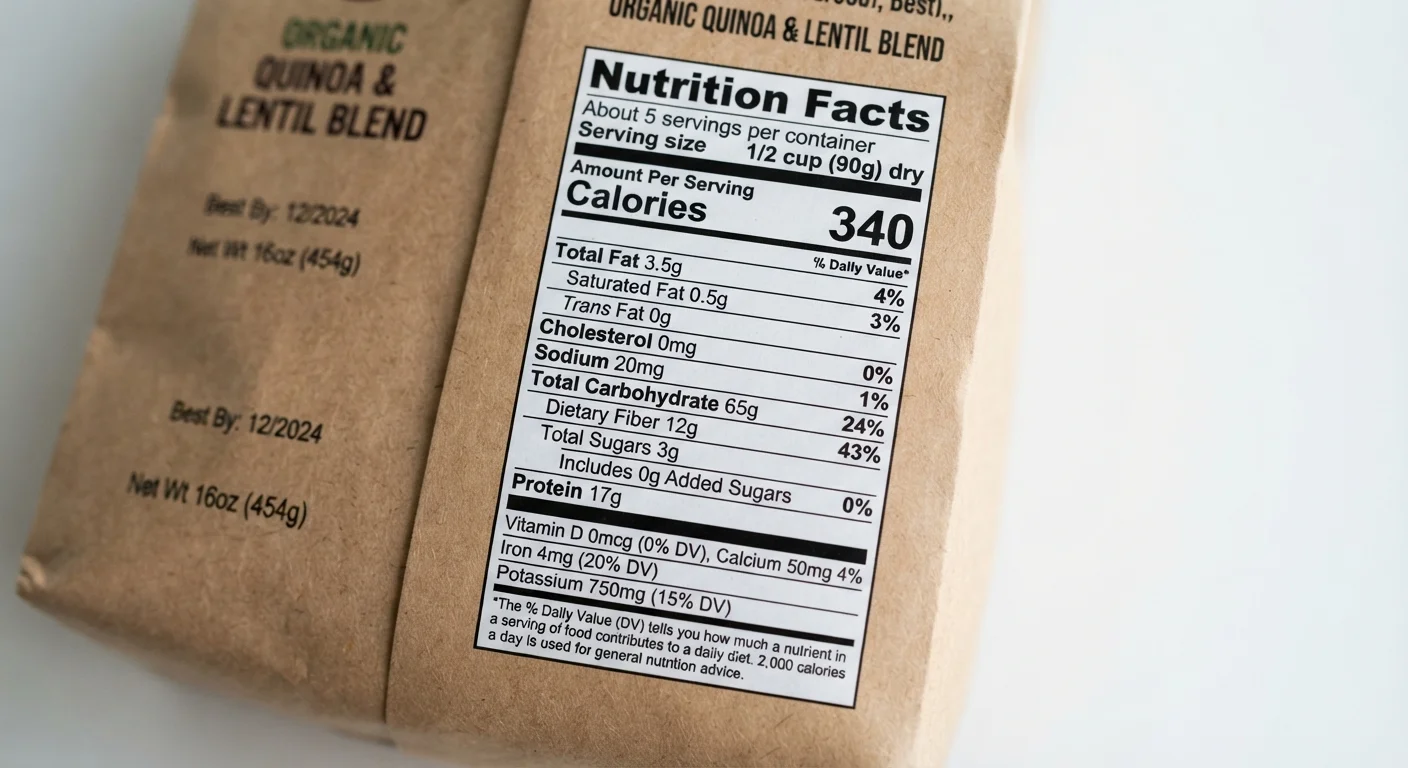
Photo: ResultsExplorer.com | Top Blogs For Everyone editorial
Key Takeaways
- Always check the serving size first - all other numbers on the label are based on it.
- Percent Daily Value (%DV) uses a 2,000-calorie reference diet and helps gauge nutrient density at a glance.
- Ingredients are listed by weight, so the first few items dominate the product's composition.
- Added sugars and sodium are the two numbers most Americans benefit from watching most closely.
- A nutrition label is a tool for comparison and awareness, not a rigid rulebook for every meal.
Why Nutrition Labels Are Worth Understanding
Nutrition labels exist to give you reliable, standardized information about what's in the food you buy. In the United States, the Food and Drug Administration (FDA) requires most packaged foods to display a Nutrition Facts panel, and its format was significantly updated in 2020 to reflect current nutritional science. If you're new to thinking critically about what you eat, our introduction to core nutrition concepts is a helpful starting point.
Labels aren't designed to make you anxious about individual foods. They're most useful as a comparative tool - helping you choose between two similar products, or spot patterns across your overall diet. Used that way, they're genuinely empowering rather than overwhelming.
What you will need
How to Read the Label: A Step-by-Step Walkthrough
Work through the Nutrition Facts panel from top to bottom, in the order below. Each layer builds on the one before it.
Start with the serving size
Every number on the label - calories, fat, sodium, everything - refers to one serving, not the whole package. The serving size is listed at the very top of the panel, along with the number of servings per container.
If a bag of chips lists 7 chips as one serving but you eat 21, you need to multiply every value by three. This single step prevents the most common label-reading mistake.
Check the calorie count
Calories measure how much energy a serving provides. The updated label displays this number prominently. Keep in mind that calorie needs vary widely by age, size, and activity level, so the number on the label is a reference point, not a verdict. For a fuller picture of what calories actually mean, see our article on understanding calories and where the science gets nuanced.
Understand Percent Daily Value (%DV)
%DV tells you how much of a nutrient one serving contributes toward a general daily target, based on a 2,000-calorie reference diet. Use this simple benchmark:
- 5% DV or less = low in that nutrient
- 20% DV or more = high in that nutrient
You typically want more of fiber, vitamins, and minerals, and less of saturated fat, sodium, and added sugars. %DV makes comparing products fast and intuitive.
Scan the key nutrients
Pay particular attention to:
- Saturated fat - most dietary guidance suggests keeping this moderate
- Sodium - many packaged foods are surprisingly high; the %DV here is especially useful
- Added sugars - listed separately from total sugars on the updated label, making it easier to see what's been added versus what occurs naturally
- Dietary fiber - most Americans fall short; aim for higher %DV here
- Protein - especially relevant when evaluating snacks, meal replacements, or plant-based options
For more on how carbohydrates, protein, and fat function in the body, our macronutrients explainer covers the essentials.
Read the ingredient list
Ingredients are listed in descending order by weight - the first ingredient makes up the largest proportion of the product. A short ingredient list isn't automatically better, but it can be informative. Look for:
- Where sugar appears (and under how many names - it can appear as corn syrup, dextrose, maltose, and others)
- Whether whole foods appear early in the list
- Any ingredients you need to avoid for medical or dietary reasons
Once you're comfortable with the panel itself, turn the package over and review the ingredient list. For a deeper look at one ingredient that trips up many shoppers, see our guide to sugar in food and what the evidence says.
Putting It All Together at the Store
Reading labels effectively is less about memorizing numbers and more about building a few reliable habits. Focus on the serving size, scan %DV for nutrients you care about, and glance at the first three to five ingredients. That alone gives you a meaningful picture of most products.
Use Labels for Comparison, Not Judgment
Labels also help when you're shifting your eating patterns. If you're exploring more plant-centered meals, for example, labels make it easier to track nutrients like protein, calcium, and iron that may need closer attention - a topic covered in our grounded look at plant-based eating. And if you want to go deeper on specific nutrients, our guides to dietary fibre and micronutrients can help.
This article is for general informational and educational purposes only. It is not a substitute for advice from a registered dietitian or other qualified healthcare professional. Individual nutritional needs vary - consult a professional for guidance specific to your health situation.
The content provided on our blog site traverses numerous categories, offering readers valuable and practical information. Readers can use the editorial team’s research and data to gain more insights into their topics of interest. However, they are requested not to treat the articles as conclusive. The website team cannot be held responsible for differences in data or inaccuracies found across other platforms. Please also note that the site might also miss out on various schemes and offers available that the readers may find more beneficial than the ones we cover.