
Plant-Based Eating: A Grounded Look at the Pros and Cons

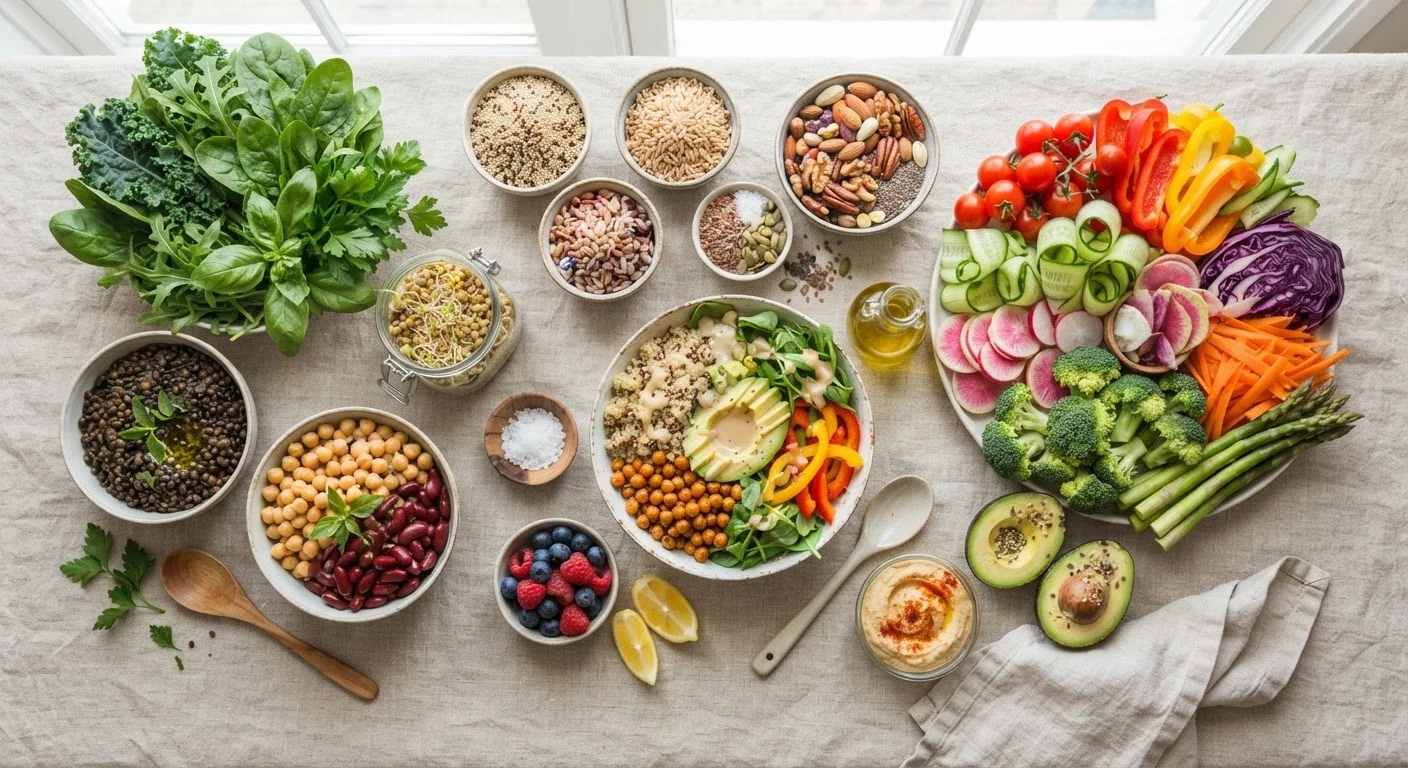
Photo: ResultsExplorer.com | Top Blogs For Everyone editorial
Key Takeaways
- Plant-based diets are consistently linked to lower risks of heart disease, type 2 diabetes, and certain cancers.
- Several nutrients - including vitamin B12, iron, and omega-3s - require careful planning or supplementation on plant-based diets.
- Plant-based eating exists on a spectrum; you don't have to go fully vegan to see health benefits.
- Highly processed plant-based products are not automatically healthier than whole food alternatives.
- Consulting a registered dietitian is advisable before making major dietary changes, especially for vulnerable populations.
Associated with lower cardiovascular disease risk
Multiple large observational studies link plant-heavy diets to reduced blood pressure, lower LDL cholesterol, and a meaningfully lower incidence of heart disease. These effects appear most consistent in diets centered on whole plant foods.
Linked to reduced type 2 diabetes risk
High fiber intake from legumes, vegetables, and whole grains supports healthy blood sugar regulation and insulin sensitivity. Research suggests plant-based dieters have a lower risk of developing type 2 diabetes compared to those eating higher amounts of processed meat.
Supports healthy body weight over time
Plant-based diets tend to be lower in caloric density and higher in dietary fiber, both of which promote satiety. Population data generally shows lower average body mass index among those following plant-heavy eating patterns.
Environmentally lower-impact food choices
Producing plant foods typically requires significantly less water, land, and greenhouse gas emissions than producing equivalent calories from animal sources. This makes plant-based eating one of the more accessible ways individuals can reduce their dietary environmental footprint.
Dietary fiber intake is usually substantially higher
Most Americans fall well short of recommended daily fiber intake. Plant-based diets almost automatically correct this shortfall, supporting digestive health, gut microbiome diversity, and reduced colorectal cancer risk.
Vitamin B12 is absent from unfortified plant foods
B12 is found almost exclusively in animal-derived foods. Anyone following a strict plant-based diet needs to reliably obtain it through fortified foods or supplementation; deficiency can cause irreversible neurological damage if left unaddressed.
Iron and zinc absorption is less efficient
Plant foods contain non-heme iron, which is absorbed at a lower rate than the heme iron in meat. Consuming vitamin C-rich foods alongside iron-containing plants improves absorption, but this requires deliberate meal planning.
Long-chain omega-3s (EPA and DHA) are limited
Oily fish are the most direct dietary source of EPA and DHA, which support brain and cardiovascular health. Plant foods provide the precursor ALA, but conversion to EPA and DHA in the body is inefficient. Algae-based omega-3 supplements are one evidence-supported alternative.
Meal planning demands are higher
Achieving protein adequacy, micronutrient variety, and caloric sufficiency on a plant-based diet often requires more deliberate planning than omnivorous diets, particularly in the early stages of transition. This is a real barrier for people with limited time or cooking confidence.
Calcium sources require attention
Dairy is the most concentrated dietary calcium source for most Americans. Plant-based alternatives include fortified plant milks, tofu made with calcium sulfate, and leafy greens - but portion sizes and bioavailability vary, requiring awareness.
Processed plant-based products can be nutritionally poor
The rapid expansion of the plant-based food market has introduced many products that are high in sodium, saturated fat, or additives. Relying heavily on these products rather than whole foods can undermine the expected health benefits.
What Does Plant-Based Eating Actually Mean?
The term plant-based diet is used loosely and covers a wide range of eating patterns. At its most inclusive, it simply means centering meals around vegetables, fruits, legumes, whole grains, nuts, and seeds - while reducing (but not necessarily eliminating) animal products. At its strictest, it overlaps with veganism, excluding all animal-derived foods entirely.
Flexitarian, vegetarian, and vegan diets all fall under the plant-based umbrella. This distinction matters because research findings and nutritional considerations vary depending on how strictly the pattern is followed. Understanding where you sit on that spectrum is a practical starting point before evaluating any claimed benefit or risk.
For a broader foundation on how any eating pattern fits together, see our guide on building a balanced plate.
The Genuine Benefits
The body of nutritional research on plant-based diets is substantial, and several benefits are well-supported by evidence.
Associated with lower cardiovascular disease risk
Multiple large observational studies link plant-heavy diets to reduced blood pressure, lower LDL cholesterol, and a meaningfully lower incidence of heart disease. These effects appear most consistent in diets centered on whole plant foods.
Linked to reduced type 2 diabetes risk
High fiber intake from legumes, vegetables, and whole grains supports healthy blood sugar regulation and insulin sensitivity. Research suggests plant-based dieters have a lower risk of developing type 2 diabetes compared to those eating higher amounts of processed meat.
Supports healthy body weight over time
Plant-based diets tend to be lower in caloric density and higher in dietary fiber, both of which promote satiety. Population data generally shows lower average body mass index among those following plant-heavy eating patterns.
Environmentally lower-impact food choices
Producing plant foods typically requires significantly less water, land, and greenhouse gas emissions than producing equivalent calories from animal sources. This makes plant-based eating one of the more accessible ways individuals can reduce their dietary environmental footprint.
Dietary fiber intake is usually substantially higher
Most Americans fall well short of recommended daily fiber intake. Plant-based diets almost automatically correct this shortfall, supporting digestive health, gut microbiome diversity, and reduced colorectal cancer risk.
It's worth noting that many of these benefits are most pronounced when the diet emphasizes whole plant foods. The difference between a diet built on lentils, leafy greens, and oats versus one relying on ultra-processed meat substitutes is significant. Our overview of whole foods vs. processed foods explains why that distinction matters.
The Real Nutritional Considerations
No dietary pattern is without trade-offs. Plant-based eating presents genuine nutritional challenges that deserve honest attention rather than dismissal.
Vitamin B12 is absent from unfortified plant foods
B12 is found almost exclusively in animal-derived foods. Anyone following a strict plant-based diet needs to reliably obtain it through fortified foods or supplementation; deficiency can cause irreversible neurological damage if left unaddressed.
Iron and zinc absorption is less efficient
Plant foods contain non-heme iron, which is absorbed at a lower rate than the heme iron in meat. Consuming vitamin C-rich foods alongside iron-containing plants improves absorption, but this requires deliberate meal planning.
Long-chain omega-3s (EPA and DHA) are limited
Oily fish are the most direct dietary source of EPA and DHA, which support brain and cardiovascular health. Plant foods provide the precursor ALA, but conversion to EPA and DHA in the body is inefficient. Algae-based omega-3 supplements are one evidence-supported alternative.
Meal planning demands are higher
Achieving protein adequacy, micronutrient variety, and caloric sufficiency on a plant-based diet often requires more deliberate planning than omnivorous diets, particularly in the early stages of transition. This is a real barrier for people with limited time or cooking confidence.
Calcium sources require attention
Dairy is the most concentrated dietary calcium source for most Americans. Plant-based alternatives include fortified plant milks, tofu made with calcium sulfate, and leafy greens - but portion sizes and bioavailability vary, requiring awareness.
Processed plant-based products can be nutritionally poor
The rapid expansion of the plant-based food market has introduced many products that are high in sodium, saturated fat, or additives. Relying heavily on these products rather than whole foods can undermine the expected health benefits.
Protein is a particularly common concern. Plant proteins are often lower in one or more essential amino acids compared to animal sources, though combining a variety of plant foods across the day can address this. Our in-depth look at animal vs. plant protein sources covers the science in practical detail.
B12 Supplementation Is Non-Negotiable for Vegans
Navigating the Grocery Store on a Plant-Based Diet
One underappreciated challenge is label literacy. The plant-based food market has expanded rapidly, and packaging claims like "vegan" or "plant-based" are marketing descriptors - not nutritional guarantees. A plant-based product can be high in sodium, saturated fat (from coconut or palm oil), or added sugars.
Learning to read a nutrition label critically is genuinely useful here. Our article on reading a nutrition label without getting lost walks through the key numbers to evaluate. The practical upshot: whole plant foods - beans, lentils, tofu, whole grains, nuts - tend to offer more nutritional value per dollar and per calorie than heavily processed plant-based convenience products.
~5%
Americans identifying as vegan or vegetarian
Gallup polling has consistently found that roughly 5% of U.S. adults identify as vegetarian, with vegans comprising a smaller subset - though far more people report reducing meat consumption without fully eliminating it.
7%
Lower cardiovascular mortality risk
A large-scale analysis published in JAMA Internal Medicine found vegetarian diets were associated with an approximately 7% lower risk of cardiovascular mortality compared to non-vegetarian diets, though the researchers noted residual lifestyle confounders.
95%
Of Americans fall short of fiber recommendations
The U.S. Dietary Guidelines estimate that the vast majority of Americans consume well below the recommended daily fiber intake - a gap that plant-based eating patterns are well-positioned to address.
Who Should Be Especially Careful?
While plant-based eating can be nutritionally adequate at most life stages, certain groups face elevated risks from poorly planned versions of this diet and should seek professional guidance before making significant changes.
- Pregnant and breastfeeding individuals have increased needs for iron, calcium, iodine, and omega-3 DHA - nutrients that require active management on plant-based diets.
- Children and adolescents are in critical growth phases where protein quality, calcium, and vitamin D are particularly important.
- Older adults already face absorption challenges with B12 and may have higher protein needs to maintain muscle mass.
- People managing chronic conditions such as kidney disease or anemia may need individually tailored guidance, as standard plant-based advice may not apply.
This article is for general informational purposes only and is not a substitute for personalized medical or dietary advice. If you are considering significant changes to your diet - particularly if you belong to any of the groups above - please consult a registered dietitian or qualified healthcare professional.
The content provided on our blog site traverses numerous categories, offering readers valuable and practical information. Readers can use the editorial team’s research and data to gain more insights into their topics of interest. However, they are requested not to treat the articles as conclusive. The website team cannot be held responsible for differences in data or inaccuracies found across other platforms. Please also note that the site might also miss out on various schemes and offers available that the readers may find more beneficial than the ones we cover.