
Rendering vs Cladding: Choosing the Right Exterior Finish

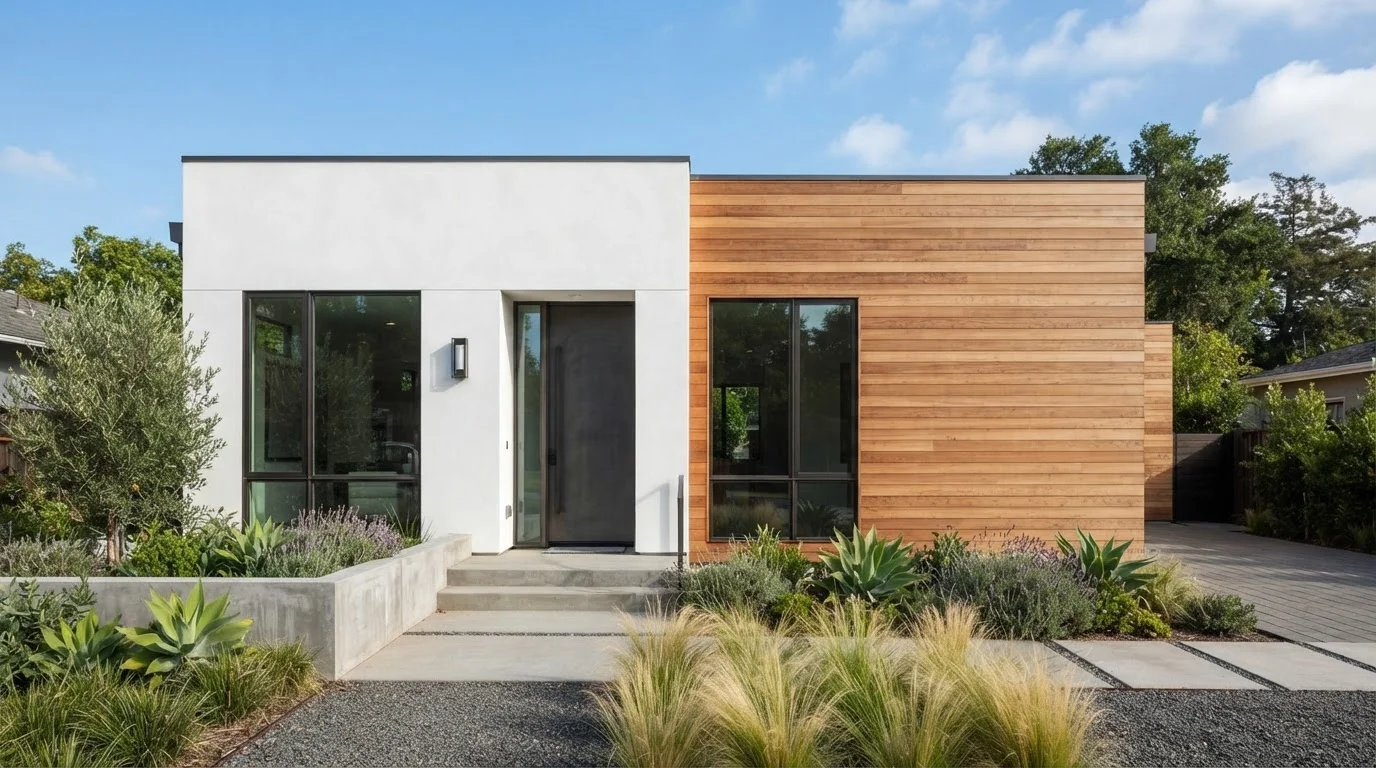
Photo: ResultsExplorer.com | Top Blogs For Everyone editorial
Key Takeaways
- Rendering bonds directly to masonry walls, while cladding is a surface layer fixed over the existing structure.
- Cladding generally tolerates movement and moisture better in timber-framed construction.
- Render typically costs less upfront but may require repainting or patching over time.
- Both finishes require periodic maintenance - neither is truly 'set and forget.'
- Local climate, wall substrate, and neighborhood aesthetics should all guide your choice.
What Each Option Actually Is
Before comparing them side by side, it helps to understand what distinguishes rendering from cladding at a structural level.
Rendering is the application of a wet mix - traditionally cement, sand, and lime, though modern polymer and acrylic formulations are now common - directly onto a masonry, brick, or block wall. Once cured and dried, it forms a hard, continuous shell that can be textured, painted, or left in its natural color. It's essentially part of the wall itself.
Cladding is a separate surface layer fixed onto the outside of the building structure. Materials range from fiber cement board and engineered timber to composite panels and natural wood. Cladding sits proud of the wall, often with a ventilated cavity behind it that allows moisture to escape and air to circulate.
This fundamental difference - bonded vs. applied - drives most of the practical trade-offs between the two systems. For a broader view of how exterior choices fit into a full project, see our renovation planning guide.
Cost, Installation, and Timeline
Cost varies significantly by region, wall area, material choice, and site access, so treat the figures below as directional rather than definitive.
| Rendering | Cladding | |
|---|---|---|
| Best substrate | Masonry, brick, block | Timber frame, masonry with battens |
| Typical material cost | Lower | Moderate to higher |
| Installation time | 1-2 weeks (drying time required) | Faster once materials arrive |
| Moisture resistance | Moderate (vulnerable to cracking) | Good (ventilated cavity helps) |
| Ongoing maintenance | Repaint every 8-12 years; patch cracks as needed | Varies by material; 3-12 year cycles |
| Design variety | Seamless, paintable, limited texture range | Wide range of profiles, textures, colors |
| Climate suitability | Drier climates preferred | Suits high-rainfall and humid areas |
Rendering is generally more labor-intensive upfront - the substrate must be clean and prepared, scratch coats applied, and sufficient drying time allowed between layers. Weather windows matter; render should not be applied in freezing temperatures or intense direct sun. A standard render job on a medium-sized house can take one to two weeks from prep to final coat.
Cladding installation is typically faster once materials are on site, but the cost of the materials themselves can run higher depending on the product. Fiber cement panels are usually the most affordable cladding option; engineered timber and composite products sit at a higher price point. Professional installation is strongly recommended for both systems - incorrect application of either can lead to water ingress, which is costly to remediate.
Durability, Maintenance, and Climate Suitability
Render, when applied correctly to a compatible substrate, can last decades. However, it is vulnerable to cracking if the building moves - even minor settlement can cause hairline fractures that allow moisture to penetrate. In wet climates, poorly maintained render can harbor damp behind the surface, leading to efflorescence (white salt deposits) or spalling. Most rendered surfaces need repainting every eight to twelve years and may need patching sooner if cracks appear.
Cladding's ventilated cavity is a practical advantage in humid or high-rainfall environments because moisture that gets behind the boards can drain and dry rather than becoming trapped. Fiber cement cladding is particularly resistant to rot, warping, and pest damage. Natural timber cladding is attractive but demands more maintenance - typically recoating or oiling every three to five years depending on exposure.
Ask About the Warranty Before Committing
Neither system eliminates maintenance entirely. The key question is whether you prefer infrequent but potentially significant repairs (render) or more regular but predictable upkeep (cladding).
Aesthetics and Design Flexibility
Render produces a clean, monolithic look that suits contemporary architecture, Mediterranean-style homes, and any design where a seamless wall surface is the goal. Texture options range from smooth to coarse sand finish, and the surface can be painted in virtually any color. Changing the color later is straightforward - a repaint is all that's needed.
Cladding opens up considerably more visual variety. Board-and-batten, shiplap, panel, and plank profiles all create distinct shadow lines and textures. Mixed-material facades - render on the lower story, cladding above, for example - have become a popular way to add depth and interest. This kind of layered design thinking is worth considering alongside other outdoor decisions; our guide on designing outdoor spaces that work year-round explores how exterior finishes interact with landscaping and paving choices.
One practical note: changing the color of cladding later depends on the material. Fiber cement can be repainted; some composite products have factory finishes that are harder to alter. Confirm this before committing to a product.
Making the Decision for Your Home
A few questions can help narrow your choice considerably:
- What is your wall substrate? Render bonds well to masonry and brick but is generally not suitable for timber-framed walls without specialist systems. If your home is timber-framed, cladding is typically the more appropriate route.
- What is your local climate? In areas with high rainfall or significant freeze-thaw cycles, a ventilated cladding system reduces the risk of trapped moisture damage.
- What does your neighborhood look like? Some areas have covenants or council guidelines around exterior finishes. Check before committing to either approach.
- What is your maintenance tolerance? Be realistic about how much upkeep you're willing to do year to year.
Because both systems involve work that directly affects your home's weathertightness, always use qualified, experienced tradespeople and check whether permits or inspections are required in your area - requirements vary by municipality. Projects that affect structural integrity or drainage are typically regulated, and cutting corners can create problems that are expensive to fix later. For anyone juggling multiple upgrades at once, the start-to-finish renovation planning guide offers useful frameworks for sequencing work and managing trades.
The content provided on our blog site traverses numerous categories, offering readers valuable and practical information. Readers can use the editorial team’s research and data to gain more insights into their topics of interest. However, they are requested not to treat the articles as conclusive. The website team cannot be held responsible for differences in data or inaccuracies found across other platforms. Please also note that the site might also miss out on various schemes and offers available that the readers may find more beneficial than the ones we cover.