
Before You Sit Down to Study: A Setup Checklist for a Distraction-Free Session

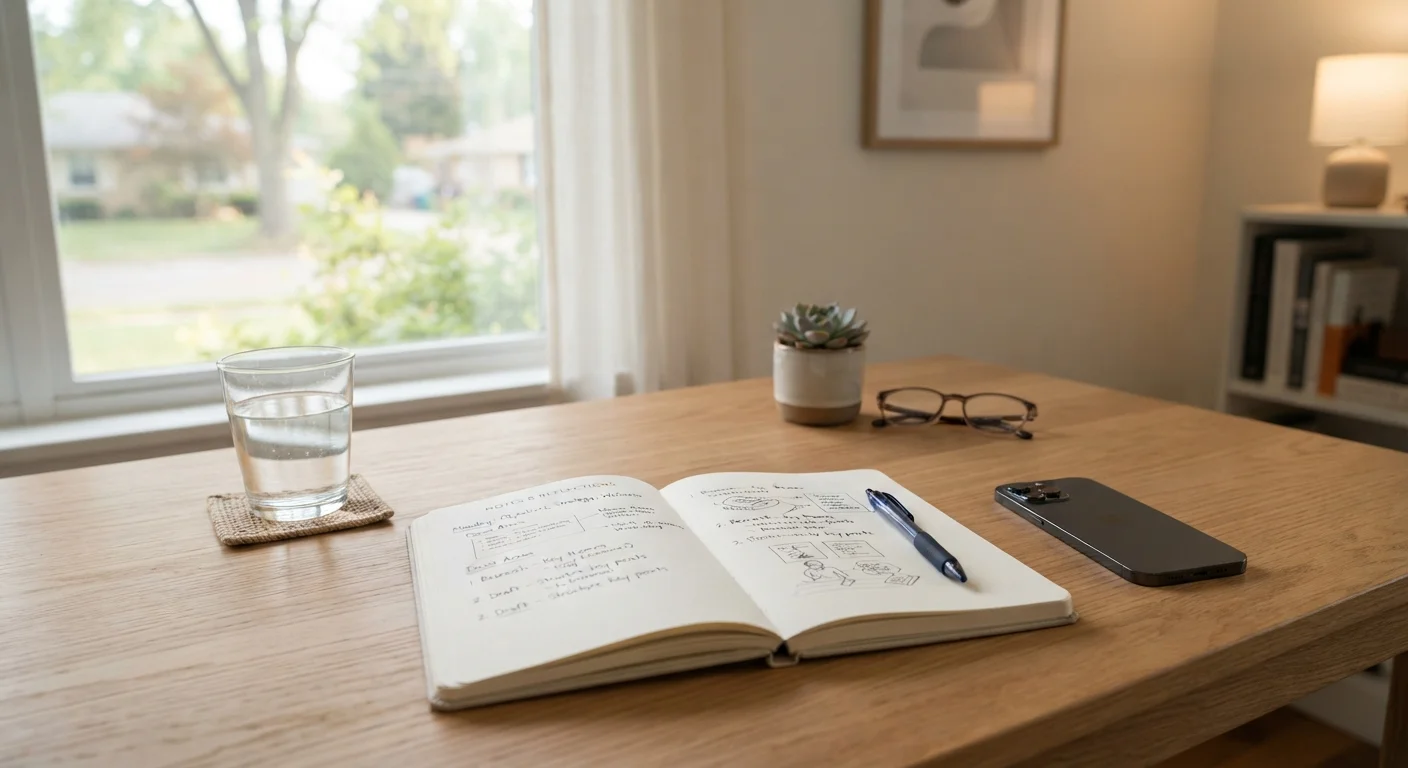
Photo: ResultsExplorer.com | Top Blogs For Everyone editorial
Key Takeaways
- Your physical environment directly affects how well your brain can sustain focused attention.
- Digital distractions — not just noise — are among the strongest disruptors of deep study.
- A consistent pre-study ritual primes your brain to shift into a focused learning state.
- Small adjustments to lighting, posture, and temperature can reduce cognitive fatigue noticeably.
- Completing this checklist takes under 20 minutes and pays dividends for the entire session.
Why Setup Matters Before a Single Page Is Turned
Learning science consistently shows that the environment you study in is not neutral. Cognitive load research — the study of how much mental effort the brain can sustain at once — finds that external interruptions force your brain to rebuild concentration each time. According to work in attentional research, it can take more than 20 minutes to fully regain deep focus after an interruption. That means a single notification, a cluttered desk, or an uncomfortable chair isn't just a minor annoyance — it's a meaningful cost to your learning session.
This checklist translates those findings into a quick, repeatable routine. Running through it before you open a textbook or start a lecture isn't procrastination — it's investment. Once your setup becomes habitual, you'll spend less time fighting your environment and more time actually learning. If you're also curious about how to structure what you study once you sit down, see our guide to the spacing effect for evidence-based session planning.
Physical Space
Noise and Audio Environment
Digital Distractions
Mental and Physical Readiness
Session Planning
Tools and Resources to Support Your Setup
You don't need expensive equipment to create an effective study environment. The items below cover the practical basics — most are things you already own or can arrange for free.
Website or app blocker (browser extension)
Temporarily restricts access to distracting sites so willpower isn't the only barrier between you and social media during a session.
Timer (phone, kitchen timer, or computer)
Defines the boundaries of your study block, reducing clock-watching and making breaks feel earned rather than guilty.
White noise or ambient sound source
Provides a consistent, non-intrusive audio background that can mask unpredictable environmental noise.
Desk lamp with adjustable brightness
Ensures adequate, comfortable lighting at your work surface, reducing eye strain during long sessions.
Paper notebook or sticky notes
Used to capture stray thoughts, to-dos, and session goals without switching to a digital app and risking distraction.
Avoid Mistaking Setup for Studying
Making This Checklist a Lasting Habit
A checklist only helps if you actually use it. Research on habit formation suggests that linking a new behavior to an existing cue — sometimes called habit stacking — is one of the most reliable ways to make it automatic. Try pairing this setup routine with something you already do right before studying: brewing a cup of tea, changing into comfortable clothes, or arriving at your usual study spot.
Over time, the routine itself becomes a signal to your brain that focused work is about to begin. This is sometimes called a pre-performance ritual in behavioral research, and it's well-documented in both athletic and academic contexts as a way to reduce anxiety and prime concentration.
Once your environment is locked in, the next step is choosing study methods that actually work. Our article on study habits the research doesn't support can help you swap out low-yield techniques for ones with stronger evidence behind them. And if you're ready to structure your sessions more deliberately, timed study intervals and interleaved practice are two approaches worth exploring next.
The content provided on our blog site traverses numerous categories, offering readers valuable and practical information. Readers can use the editorial team’s research and data to gain more insights into their topics of interest. However, they are requested not to treat the articles as conclusive. The website team cannot be held responsible for differences in data or inaccuracies found across other platforms. Please also note that the site might also miss out on various schemes and offers available that the readers may find more beneficial than the ones we cover.