
The Case for a Sinking Fund (And How to Build One)

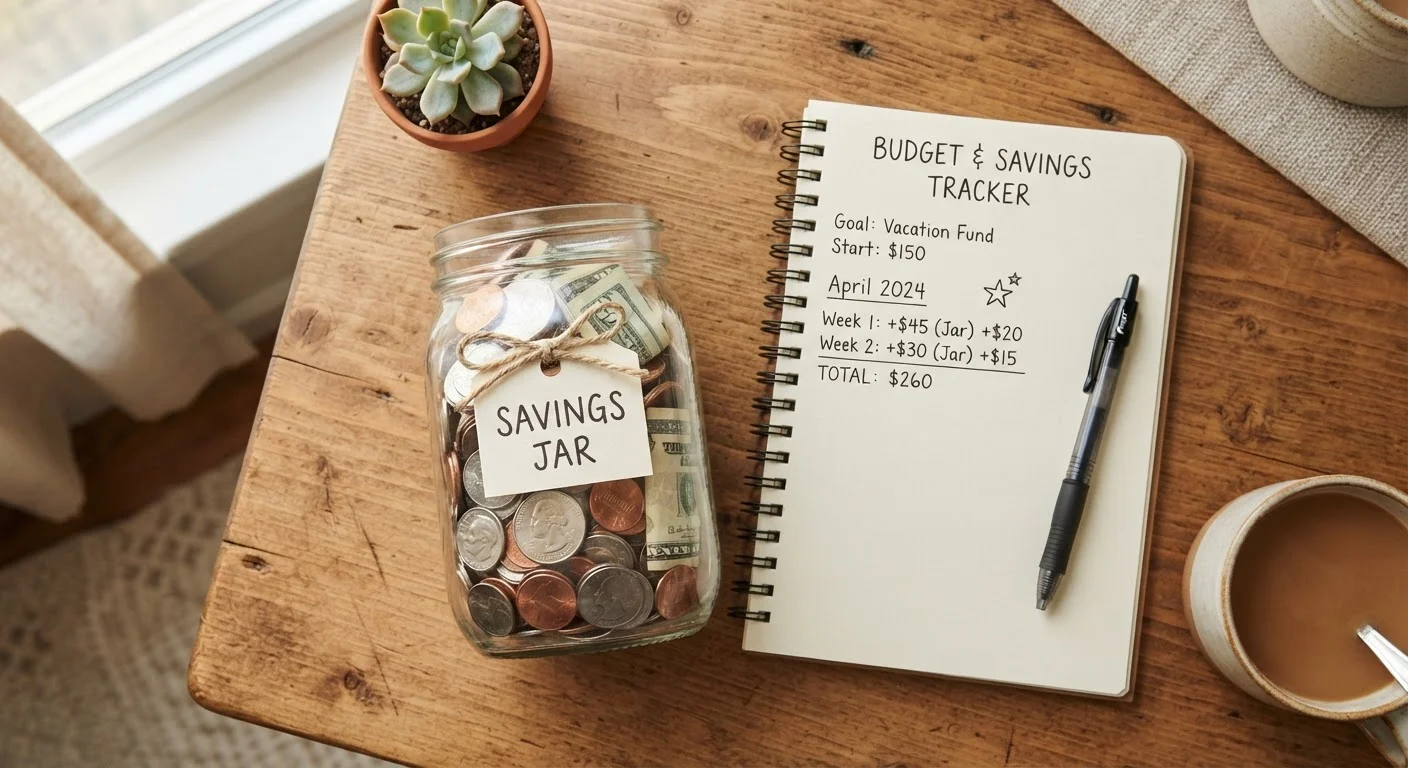
Photo: ResultsExplorer.com | Top Blogs For Everyone editorial
Key Takeaways
- A sinking fund is money set aside gradually for a specific, predictable future expense.
- Unlike emergency funds, sinking funds target costs you know are coming — holidays, car repairs, annual premiums.
- You can maintain multiple sinking funds simultaneously using separate savings buckets for each goal.
- Dividing your target amount by months available gives you a clear, achievable monthly contribution figure.
- Automating contributions removes temptation to skip deposits and keeps progress consistent.
What Is a Sinking Fund?
A sinking fund is a dedicated pool of money you build up over time to pay for a specific expense you already know is coming. Think of it as pre-paying yourself for a future bill — in small, painless installments rather than one jarring lump sum.
Common examples include annual car registration fees, holiday gifts, a vacation you're planning, a home appliance that's getting old, or back-to-school supplies. These aren't surprises — you know they're on the horizon. A sinking fund simply turns that foreknowledge into a savings strategy.
The term itself comes from accounting, where businesses set aside funds gradually to retire a debt or replace an asset. For personal finance, the concept works exactly the same way: you identify the cost, set a timeline, and make regular contributions until you have what you need.
It's worth distinguishing this from an emergency fund, which is meant for genuinely unpredictable events — a job loss, a medical bill, an unexpected home repair. Explore how emergency funds and sinking funds differ to understand why both tools deserve a place in your financial toolkit. They solve different problems and should be kept separate.
You Can Run Multiple Sinking Funds at Once
Why a Sinking Fund Prevents Budget Shocks
Without a sinking fund, predictable expenses often hit budgets like emergencies. You know your car registration is due every year, yet when the bill arrives it can still knock your monthly cash flow sideways — because the money was never earmarked for it.
Sinking funds close that gap. Instead of scrambling, overspending, or reaching for a credit card, you draw from a pot you've been quietly filling for months. The expense doesn't disappear, but its impact on your everyday budget does.
This approach also reduces financial stress. Research in behavioral economics consistently shows that mentally labeling money for a purpose makes people less likely to spend it on something else — a phenomenon sometimes called mental accounting. Physically separating the money into a named account strengthens that effect further.
If you're new to deliberate saving, start with this plain-language savings plan guide before building your first sinking fund. It covers the foundational habits that make goal-based saving work.
How to Build a Sinking Fund: Step by Step
Setting up a sinking fund takes less time than most people expect. Follow the steps below to build your first one — or to scale up to several funds at once.
List your upcoming planned expenses
Write down every non-monthly cost you expect in the next 12 months. Include annual insurance premiums, holiday spending, vehicle registration, travel, or any home maintenance you're anticipating. Don't worry about being perfect — an estimate is fine at this stage.
Assign a target dollar amount to each expense
For each item on your list, estimate the total cost. Use past bills, online research, or vendor quotes to get a reasonable figure. If you're uncertain, build in a small buffer — say 10–15% above your best estimate — to avoid coming up short.
Calculate your monthly contribution
Divide each expense's target amount by the number of months until you need the money. For example, if you want $600 for holiday gifts and you have 10 months, you need to save $60 per month. Do this calculation for every fund on your list.
The formula: Target amount ÷ Months remaining = Monthly contribution
Open a dedicated savings account (or sub-account)
Keep sinking fund money separate from your everyday checking account and your emergency fund. Many banks and credit unions offer free savings sub-accounts you can label by purpose — 'Car Registration,' 'Vacation 2025,' and so on. Separation reduces the temptation to spend the money on something else.
Automate your monthly contributions
Set up an automatic transfer from your checking account to each sinking fund on or just after your payday. Automating removes the decision from your plate each month and makes saving the default behavior rather than an afterthought. Learn what to watch for when automating your savings so you can set it up in a way that fits your cash flow.
Review and adjust every few months
Life changes — expenses shift, timelines move, and income can fluctuate. Set a recurring calendar reminder every 3–4 months to review each sinking fund: check the balance, confirm the target is still accurate, and adjust contributions if needed. A quick 15-minute review keeps every fund on track.
Don't Tap Sinking Funds for Emergencies
Once your sinking funds are running, consider pairing them with a broader savings structure. Planning for short-term and long-term goals simultaneously requires a bit of structure, but the payoff is a savings system that works across every time horizon.
This article is for general informational and educational purposes only and does not constitute personalized financial advice. For guidance tailored to your specific circumstances, consult a qualified financial professional.
The content provided on our blog site traverses numerous categories, offering readers valuable and practical information. Readers can use the editorial team’s research and data to gain more insights into their topics of interest. However, they are requested not to treat the articles as conclusive. The website team cannot be held responsible for differences in data or inaccuracies found across other platforms. Please also note that the site might also miss out on various schemes and offers available that the readers may find more beneficial than the ones we cover.