
Emergency Fund vs. Sinking Fund: Two Savings Tools, Very Different Purposes

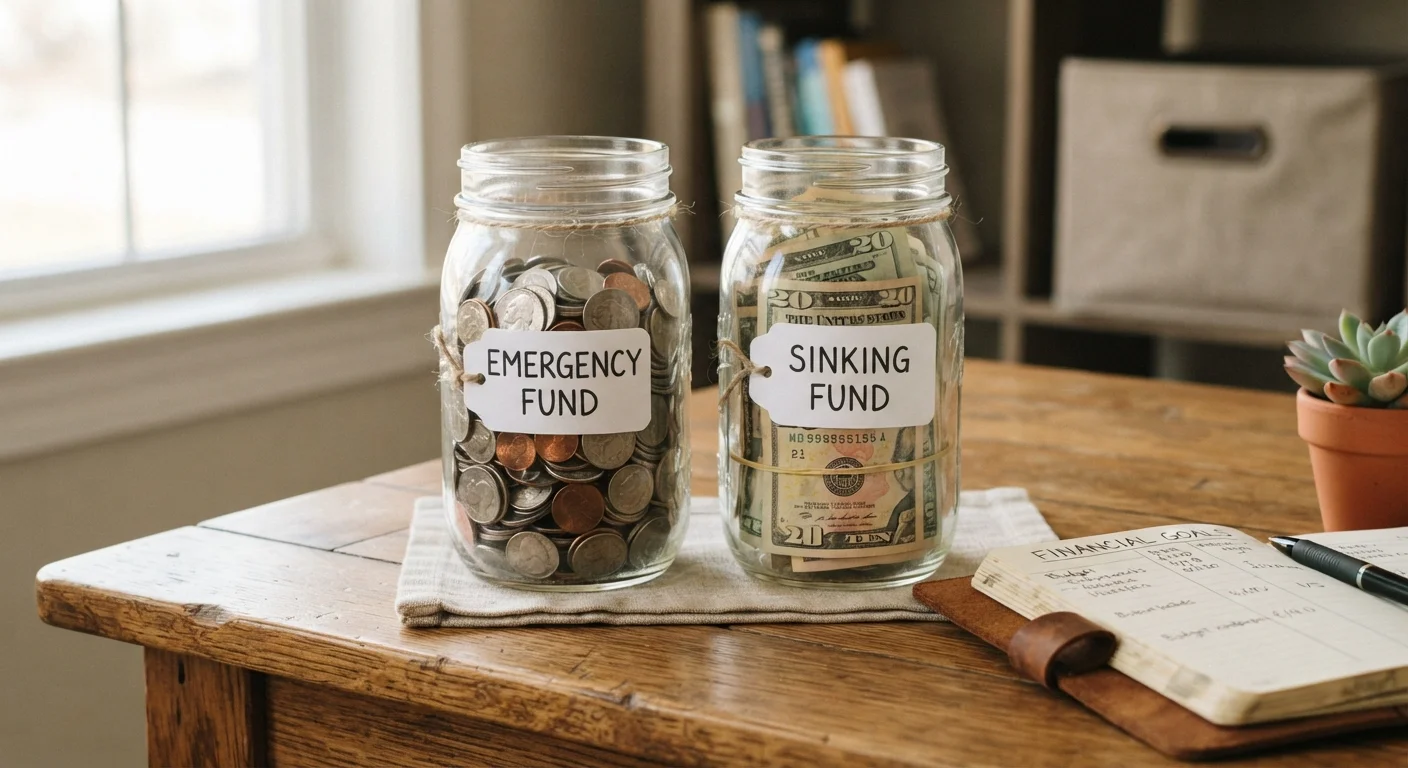
Photo: ResultsExplorer.com | Top Blogs For Everyone editorial
Key Takeaways
- An emergency fund covers unplanned, urgent expenses; a sinking fund covers planned, future ones.
- Emergency funds are typically sized at three to six months of essential living expenses.
- Sinking funds are built around a specific dollar target and a known timeline.
- Most households benefit from maintaining both funds simultaneously.
- Keeping the two funds in separate accounts prevents accidental spending.
- Automation can simplify contributions to both funds each month.
What Each Fund Actually Does
Both tools are savings strategies, but they answer completely different questions. An emergency fund answers: What happens if something goes wrong that I didn't see coming? A sinking fund answers: How do I pay for something I already know is coming?
An emergency fund is a reserve held for genuinely unexpected events — a sudden job loss, an unplanned medical expense, or a major appliance failure. The defining feature is that you don't know when or if you'll need it. Because of that uncertainty, most personal finance guidelines suggest keeping three to six months of essential living expenses in this fund, though the right amount depends on factors like income stability and household size.
A sinking fund, by contrast, is purpose-built. You identify a future cost — a vacation, a new set of tires, a home repair you've been anticipating — assign it a dollar amount, and divide that by the number of months until you need the money. The result is a fixed monthly contribution. There's no guesswork about timing or amount. For a deeper look at setting one up, see The Case for a Sinking Fund.
| Criterion | Emergency Fund | Sinking Fund |
|---|---|---|
| Purpose | Covers unexpected, unplanned events | Covers planned, predictable future costs |
| Target Amount | 3–6 months of essential expenses | Specific dollar goal per expense |
| Timeline | Indefinite — always on standby | Fixed — tied to a known date |
| Trigger to Spend | Genuine financial emergency | The planned expense arrives |
| Number of Funds | Typically one general fund | Multiple funds for different goals |
| Monthly Contribution | Until target is reached, then maintain | Fixed amount based on goal ÷ months |
Why Keeping Them Separate Matters
One of the most common mistakes is blending both purposes into a single savings account. When that happens, it becomes easy to dip into emergency reserves for a planned purchase — or to feel falsely confident about your financial cushion because a sinking fund balance has inflated the total.
Dedicated accounts — even simple, free ones — create a visual and psychological boundary. Many people find that naming each account after its purpose ("Car Fund," "Emergency Only") reinforces the distinction. Some banks allow multiple savings buckets within a single account, which achieves a similar effect without requiring multiple logins.
Where to Keep These Funds
Keeping funds separate also makes it easier to automate contributions accurately. When you know exactly how much belongs in each bucket, you can set up recurring transfers with confidence. Automating your savings can make both habits nearly effortless — though there are edge cases worth understanding before you set it and forget it.
Building Both Into Your Budget
You don't have to fully fund one before starting the other, but sequencing matters early on. Most financial educators suggest building a small starter emergency fund — often cited as around one month of essential expenses — before splitting contributions between both goals. This gives you a basic safety net while you work toward the recommended three-to-six-month target.
Once that starter fund is in place, you can allocate monthly savings across multiple sinking funds alongside your emergency fund growth. For example, someone saving $300 a month might direct $150 to their emergency fund and split the remaining $150 across a car maintenance fund and a holiday fund. The exact split depends on your timeline and priorities.
~57%
US adults with less than 3 months of expenses saved
According to the Federal Reserve's Report on the Economic Well-Being of US Households, a significant share of adults would struggle to cover several months of expenses from savings alone.
3–6 months
Commonly recommended emergency fund range
Consumer financial education resources, including those from the Consumer Financial Protection Bureau, frequently cite three to six months of essential expenses as a general target.
Thinking through your goals across different time horizons helps enormously here. Balancing short-term and long-term savings goals is a useful framework for keeping immediate needs and future milestones from competing with each other. And if you want to evaluate whether your current savings foundations are ready before tackling bigger financial goals, a savings readiness check can help you take stock.
This article is for general informational purposes only and does not constitute personalized financial advice. Consider consulting a qualified financial professional for guidance specific to your situation.
The content provided on our blog site traverses numerous categories, offering readers valuable and practical information. Readers can use the editorial team’s research and data to gain more insights into their topics of interest. However, they are requested not to treat the articles as conclusive. The website team cannot be held responsible for differences in data or inaccuracies found across other platforms. Please also note that the site might also miss out on various schemes and offers available that the readers may find more beneficial than the ones we cover.