
What a Monthly Budget Actually Is (And What It Isn't)

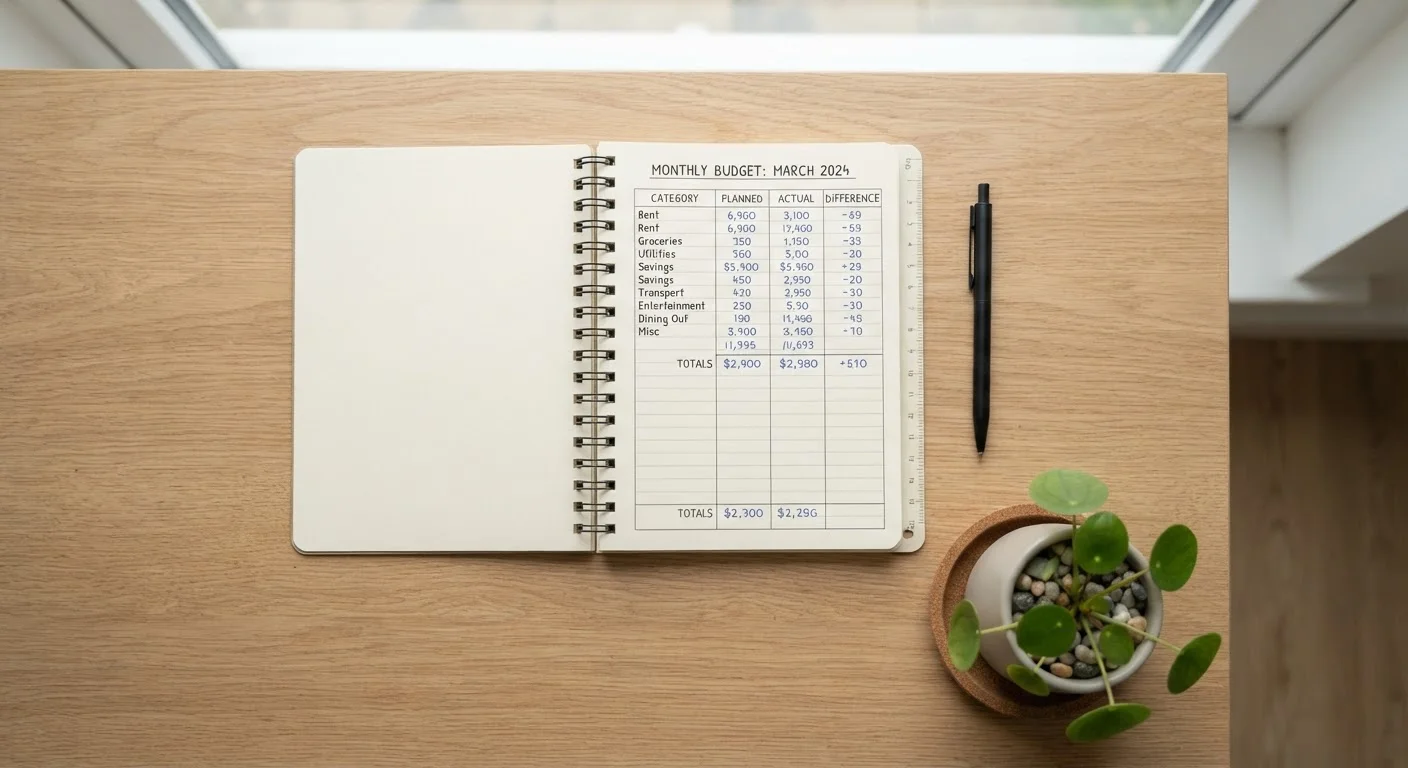
Photo: ResultsExplorer.com | Top Blogs For Everyone editorial
Key Takeaways
- A monthly budget is a proactive plan for your income and expenses — not a punishment or restriction.
- Budgets work best when they reflect your actual life, including irregular or one-time expenses.
- You don't need a high income or special software to create a workable budget.
- A budget is a living document — adjusting it mid-month is normal and expected.
- Budgeting builds awareness of your spending habits, which is the first step to changing them.
The Simple Definition Most People Miss
Strip away the jargon and a monthly budget is just an answer to one question: Where do I want my money to go this month? You list the money coming in — wages, freelance payments, side income — and you decide in advance how to divide it among rent, groceries, savings, debt payments, and everything else.
What it is not is a rigid cage. A budget is a plan, and plans change. If an unexpected car repair shows up in week three, you don't abandon the budget — you revise it. That flexibility is a feature, not a bug. The act of writing a plan, even an imperfect one, puts you in a fundamentally different relationship with your money than having no plan at all.
It's also worth clearing up a common mix-up: a budget is not the same as tracking your spending. Tracking tells you where money went. A budget tells you where money will go. Both are valuable, but a budget is inherently forward-looking. If you've only ever tracked, you've done half the work.
What Goes Into a Monthly Budget
A functional monthly budget has three basic parts:
- Income: Every dollar you reasonably expect to receive this month. Use take-home (after-tax) figures, not gross pay.
- Fixed expenses: Costs that stay the same each month — rent or mortgage, loan payments, subscriptions with a set fee.
- Variable expenses: Costs that shift month to month — groceries, gas, utilities, clothing, dining out.
After listing these, you subtract total expenses from total income. If you have money remaining, you consciously assign it — to savings, an emergency fund, or debt payoff. The goal is for every dollar to have a designated purpose, not to simply disappear.
One category beginners frequently forget is irregular expenses: annual insurance premiums, car registration, holiday gifts, or medical co-pays. Divide the annual total by twelve and set that amount aside each month. This prevents those costs from feeling like emergencies when they arrive.
32%
Americans with a detailed monthly budget
According to Gallup polling data, fewer than one in three American adults reports maintaining a detailed household budget.
$1,000
Median emergency savings shortfall
Federal Reserve survey data consistently shows that a significant share of U.S. adults would struggle to cover a $1,000 unexpected expense without borrowing — a gap a budget-based savings habit directly addresses.
Ready to put this into practice? The Monthly Budget Setup Checklist walks you through gathering your numbers and building your first budget from scratch.
What a Budget Is Not
A surprising amount of budgeting resistance comes from misconceptions about what a budget demands of you. Here are the most persistent ones:
It's not about deprivation
A budget doesn't tell you to stop spending on things you enjoy. It tells you to plan for those things. Budgeting for a dinner out is just as valid as budgeting for rent. The difference is that you've acknowledged the cost and decided it fits.
It's not only for people in financial trouble
Budgets are equally useful for people who feel financially comfortable. Without a plan, even a solid income can quietly disappear into spending that doesn't reflect your actual priorities. Many common budget myths keep financially stable people from ever starting.
It's not a one-size-fits-all document
There's no single correct budget format. A 50/30/20 split (needs, wants, savings) works for some people. Zero-based budgeting works for others. What matters is that your system reflects your real income and real expenses — not someone else's ideal scenario.
Start With What You Actually Spend
Why Budgets Succeed or Fail
A budget fails when it's built on wishful numbers rather than real ones. If your grocery spending consistently runs $600 a month but your budget says $300, the budget isn't wrong — it's just disconnected from reality, and that gap will erode your confidence every month.
Budgets also break down when people treat the first draft as final. Month two is frequently where things go sideways — not because budgeting doesn't work, but because beginners run into predictable patterns. Understanding why budgets fall apart in month two can help you avoid the same traps.
On the other hand, budgets tend to stick when they're honest, flexible, and reviewed regularly. Even a quick ten-minute check at mid-month — comparing plan to actual spending — catches small drift before it becomes a big problem.
This article provides general financial education and is not personalised financial advice. For guidance specific to your situation, consider speaking with a qualified financial professional.
Frequently Asked Questions
The content provided on our blog site traverses numerous categories, offering readers valuable and practical information. Readers can use the editorial team’s research and data to gain more insights into their topics of interest. However, they are requested not to treat the articles as conclusive. The website team cannot be held responsible for differences in data or inaccuracies found across other platforms. Please also note that the site might also miss out on various schemes and offers available that the readers may find more beneficial than the ones we cover.