
Monthly Budget Setup Checklist

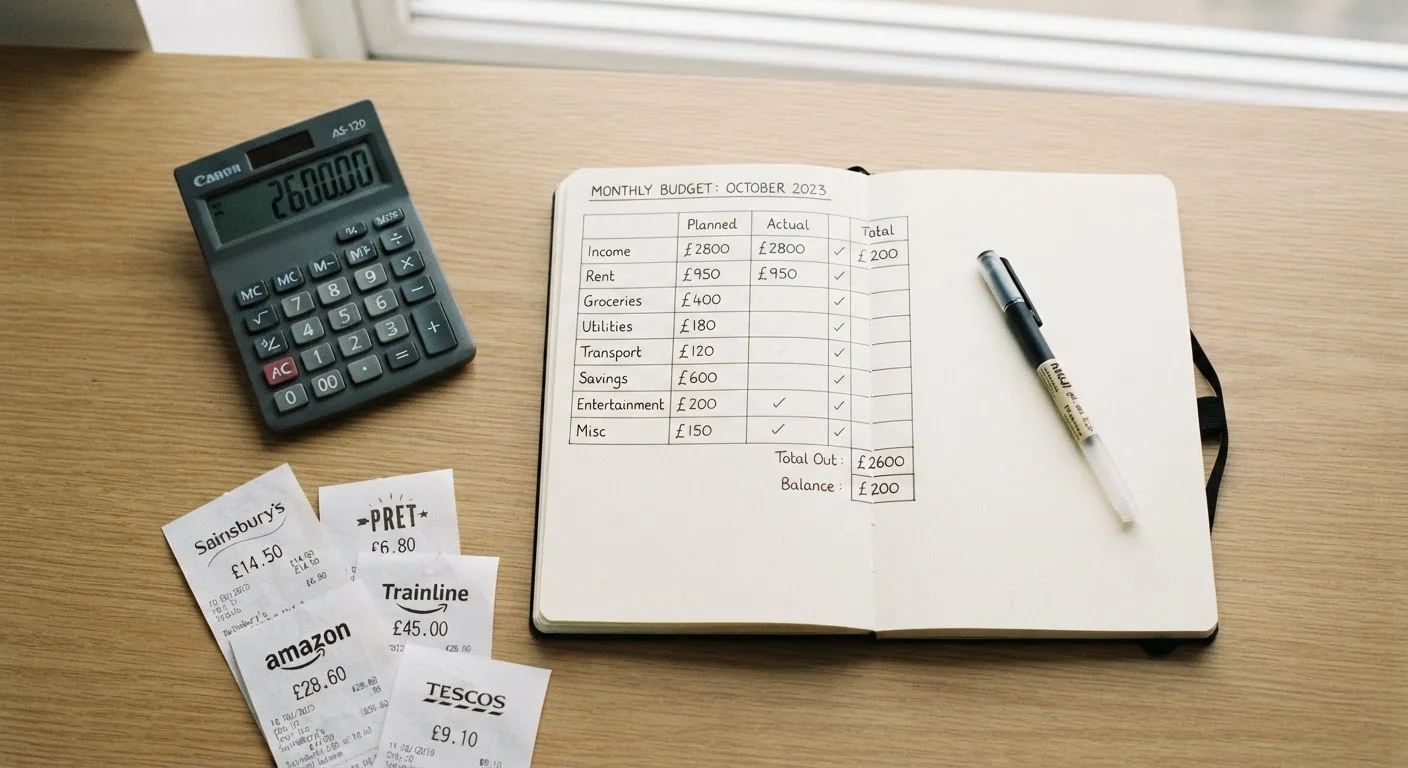
Photo: ResultsExplorer.com | Top Blogs For Everyone editorial
Key Takeaways
- Gathering your income and expense numbers before you budget prevents guesswork and errors.
- Separating fixed costs from variable spending gives you a clearer picture of where flexibility exists.
- Every budget needs a category for irregular expenses — these are the most commonly missed.
- A budget only works if you track spending against it each month and adjust as needed.
- Starting simple and refining over time is more effective than waiting to build a perfect system.
Why a Checklist Makes Budgeting Easier
Building a monthly budget from scratch can feel overwhelming — not because it is complicated, but because it is easy to forget a step, overlook a category, or skip straight to the numbers before you have gathered enough information. A structured checklist prevents those gaps.
This checklist walks you through four stages: collecting your financial information, categorising your spending, allocating your dollars, and setting up a simple review habit. Work through each group in order the first time. After that, the process becomes much faster each month.
If your income varies month to month — for example, if you freelance or work shifts — the structure here still applies, though you may find additional approaches useful. See Irregular Income and Budgeting: Approaches That Hold Up for methods designed around unpredictable pay.
This article is for general financial education purposes and does not constitute personalised financial advice. Consider consulting a licensed financial professional for guidance specific to your situation.
Bank and credit card statements (last 3 months)
Provides real spending data across all categories to replace guesswork.
Pay stubs or direct deposit records
Confirms your accurate take-home income after all deductions.
Spreadsheet (e.g., Google Sheets or Excel)
Lets you enter income and expense categories, run totals, and update numbers each month.
Budgeting app
Automates transaction imports and category tracking, reducing manual data entry.
List of recurring bills and subscription charges
Ensures no fixed or semi-fixed expense is accidentally omitted from your plan.
Calendar or reminder tool
Used to schedule your monthly budget review so the habit becomes consistent.
The Monthly Budget Setup Checklist
Work through the checklist below in order. Check off each item as you complete it. If you are doing this for the first time, set aside about an hour and keep your bank statements, pay stubs, and recent bills nearby.
Step 1: Gather Your Financial Information
Step 2: List and Categorise Your Expenses
Step 3: Allocate Your Income
Step 4: Set Up Your Tracking and Review System
Don't Skip the Irregular Expense Category
Once your allocations are in place, you will need a way to track spending against them each month. Practical ways to track every dollar you spend covers bank apps, spreadsheets, and pen-and-paper methods — pick whichever fits your life.
Beginners often feel confident about their big expense categories but consistently miss smaller ones. Our companion piece on spending categories beginners consistently underestimate is worth reading before you finalise your numbers.
After Your First Month: Review and Refine
Your first budget is a draft — expect to adjust it. Most people discover after month one that at least one category was off. That is normal and useful information, not a failure.
At the end of each month, compare what you planned to spend with what you actually spent in each category. Look for patterns: categories where you consistently overspend are candidates for a higher allocation or a spending change. Categories where you always underspend may be opportunities to redirect money toward savings or debt repayment.
If you find that you have money left over after covering expenses, your next step is deciding what to do with it intentionally. Before You Redirect That Extra Money: A Savings Readiness Check can help you confirm your savings foundations are solid before committing extra funds elsewhere.
For those interested in a cash-envelope approach — one of the most tactile and effective systems for controlling variable spending — see Envelope Budgeting in a Digital World. It explains how the method works and how people adapt it for digital banking. And if you want a balanced view of what consistent budgeting actually demands, The Honest Trade-Offs of Strict Budgeting is a grounded read before you commit to a detailed system.
Your Budget Will Need Adjusting — That's Normal
The content provided on our blog site traverses numerous categories, offering readers valuable and practical information. Readers can use the editorial team’s research and data to gain more insights into their topics of interest. However, they are requested not to treat the articles as conclusive. The website team cannot be held responsible for differences in data or inaccuracies found across other platforms. Please also note that the site might also miss out on various schemes and offers available that the readers may find more beneficial than the ones we cover.