
Signs Your Cat May Be in Pain: What Owners Often Miss

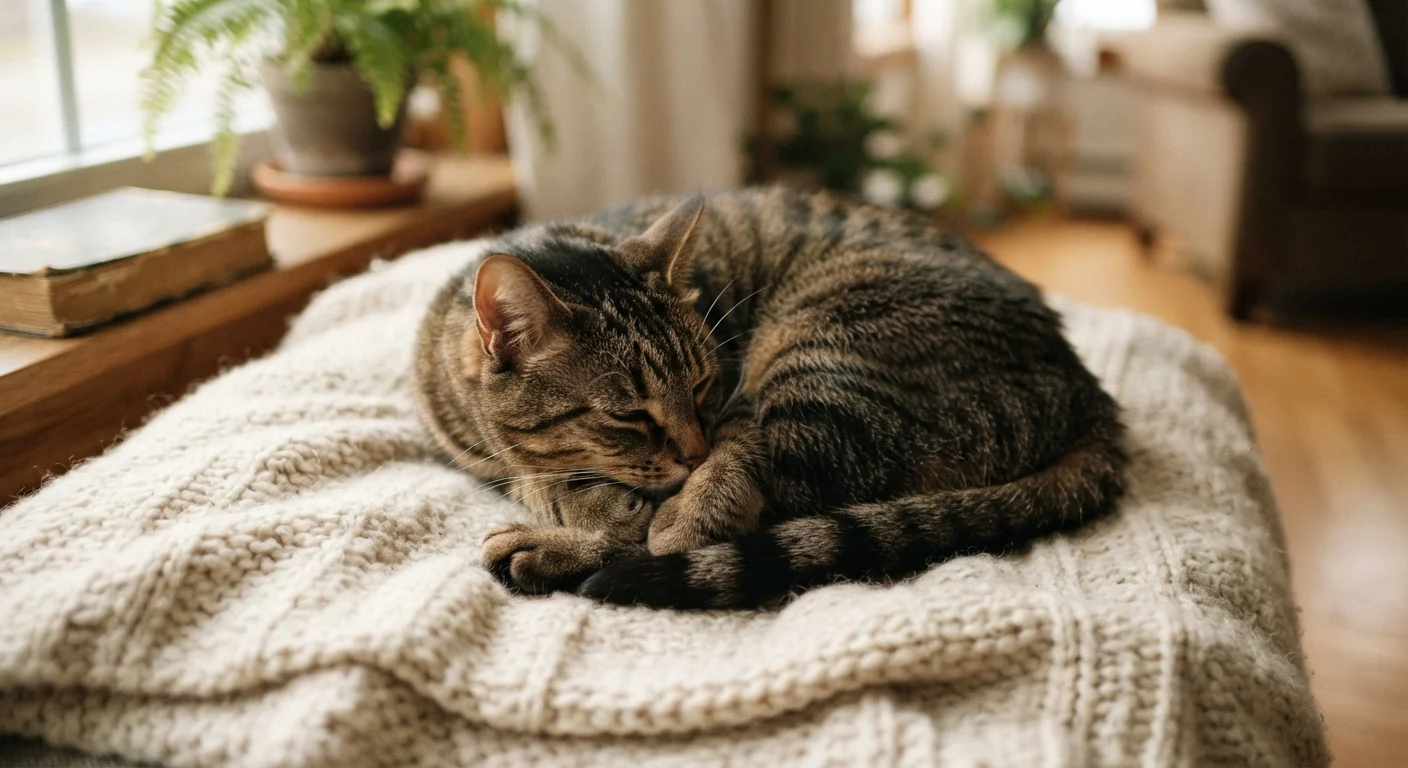
Photo: ResultsExplorer.com | Top Blogs For Everyone editorial
Key Takeaways
- Cats instinctively mask pain, making subtle behavioural changes the most reliable early warning signs.
- Changes in grooming, posture, appetite, and litter box habits can all indicate underlying discomfort.
- Dismissing pain signals as normal aging or personality is one of the most common owner mistakes.
- A veterinarian should evaluate any cat showing persistent changes in behaviour or daily routine.
- Senior cats are especially vulnerable — their pain signs are often the quietest and most easily missed.
Why Cats Hide Pain So Effectively
Cats evolved as both predator and prey, which means showing vulnerability in the wild was dangerous. That instinct remains deeply wired into domestic cats today. When a cat is hurting, it rarely vocalises distress the way a dog might — instead, it withdraws, adjusts its behaviour, and essentially tries to look normal. This biological drive to conceal pain is precisely what puts owners at a disadvantage.
Research in veterinary pain assessment has found that even experienced cat owners frequently underestimate or fail to recognise feline discomfort. The FGS, a clinically validated tool developed by veterinary researchers, shows that pain in cats manifests primarily through subtle facial changes — orbital tightening, muzzle tension, ear rotation — rather than obvious crying or limping. Most owners are never taught to look for these signals.
Understanding this concealment tendency is the first step. The second is knowing which everyday mistakes lead owners to miss the signs entirely.
Assuming a quiet cat is a comfortable cat.
Attributing behaviour changes to 'getting older' without ruling out pain.
Overlooking changes in grooming habits as a pain signal.
Misinterpreting litter box avoidance as a behavioural problem rather than a pain response.
Ignoring subtle postural shifts and facial tension.
Discounting reduced appetite as minor or temporary.
The Costs of Missing Pain Signals
When feline pain goes unrecognised, it often goes untreated — sometimes for months. Chronic pain, particularly from conditions like dental disease, arthritis, or urinary tract problems, can significantly erode a cat's quality of life. It can also alter behaviour in ways that get misread as personality quirks, aging, or even misbehaviour.
~90%
Cats over 12 with radiographic arthritis
Studies in veterinary journals suggest approximately 90% of cats aged 12 and older show radiographic evidence of degenerative joint disease, yet many go undiagnosed.
1 in 3
Cats affected by dental disease by age 3
Veterinary dental organisations estimate that a significant proportion of cats develop some form of periodontal disease by the time they reach three years old — a common but underappreciated pain source.
Veterinary pain experts note that cats with undertreated pain may develop secondary problems, including muscle atrophy from reduced movement, anxiety from persistent discomfort, and weight loss from reduced appetite. These compounding effects make early recognition critical. If your cat's behaviour has shifted in any way described in this article, consult your veterinarian — general information like this cannot substitute for a professional examination. See also our guidance on senior feline care, where pain management becomes especially important.
Do Not Wait for Obvious Symptoms
This article is intended as general educational information for cat owners and is not a substitute for professional veterinary advice. If you are concerned your cat may be in pain, contact a licensed veterinarian promptly.
The content provided on our blog site traverses numerous categories, offering readers valuable and practical information. Readers can use the editorial team’s research and data to gain more insights into their topics of interest. However, they are requested not to treat the articles as conclusive. The website team cannot be held responsible for differences in data or inaccuracies found across other platforms. Please also note that the site might also miss out on various schemes and offers available that the readers may find more beneficial than the ones we cover.