
Keeping an Ageing Cat Comfortable: Approaches to Senior Feline Care

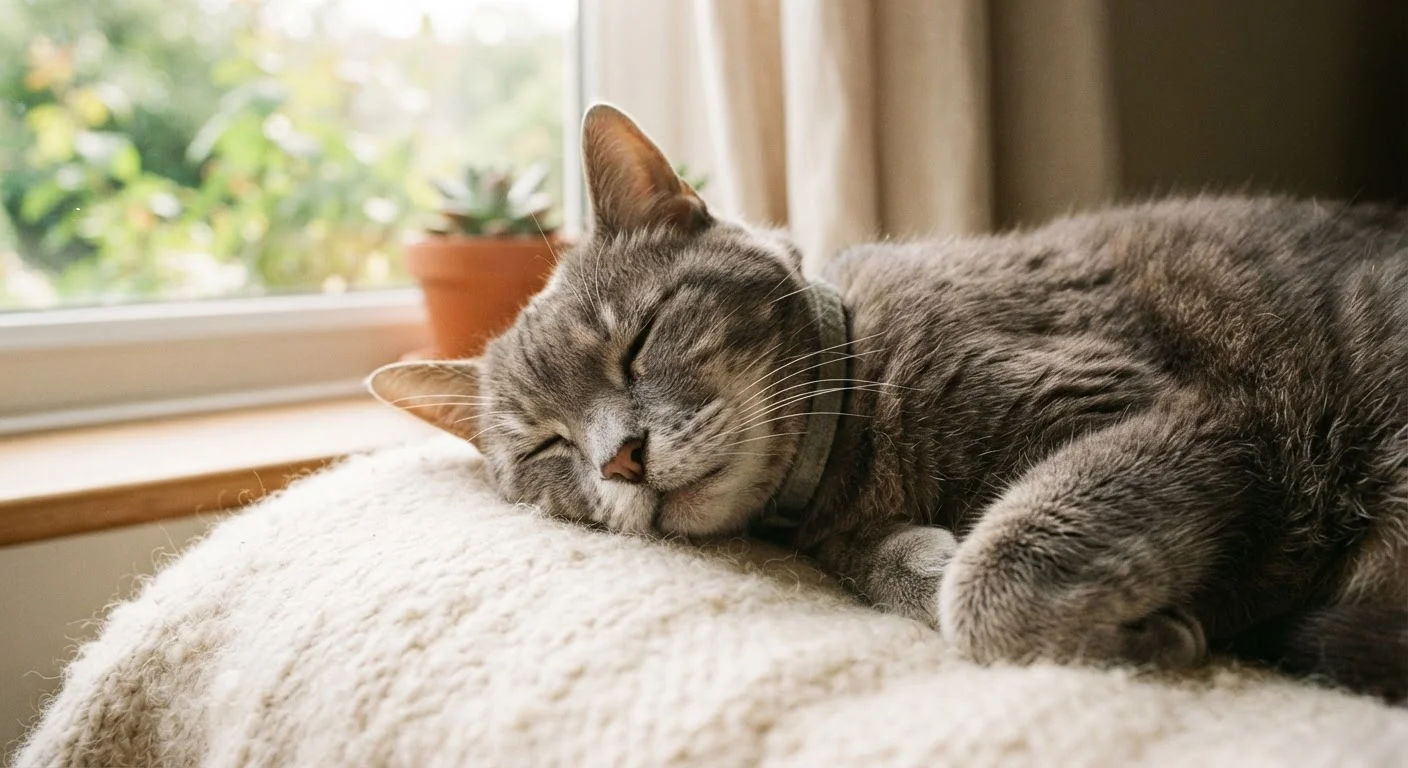
Photo: ResultsExplorer.com | Top Blogs For Everyone editorial
Key Takeaways
- Cats are generally considered senior at around age 11, with distinct care needs emerging from this point.
- More frequent veterinary visits allow earlier detection of age-related conditions like kidney disease and arthritis.
- Environmental modifications — lower litter boxes, ramps, and heated beds — meaningfully improve daily comfort.
- Senior cats often need diet adjustments for protein quality, hydration, and caloric balance.
- Cognitive changes are common in older cats and can be supported through routine and gentle enrichment.
When Does a Cat Become 'Senior'?
Veterinary professionals generally classify cats as senior from around age 11, with the term geriatric applied to cats aged 15 and older. This matters practically: age-related conditions such as chronic kidney disease, hyperthyroidism, dental disease, and osteoarthritis become substantially more common in this life stage. Recognising these thresholds helps owners move from reactive to proactive care before problems become serious.
It's worth noting that individual cats age differently based on genetics, lifestyle, and prior health history. An indoor cat with consistent veterinary care may show fewer early signs of decline than a cat with a more complex health background. For context on how environment shapes long-term health, see what the evidence says about indoor vs outdoor cat health.
“Cats are masters of masking illness and discomfort. By the time clinical signs are obvious to an owner, a disease process may already be well advanced. This is why proactive monitoring — not just responding to symptoms — is so important in senior feline care.”
— International Society of Feline Medicine, Veterinary organisation specialising in feline health guidelines
Veterinary Care: The Foundation of Senior Health
The single most impactful step owners can take is increasing the frequency of veterinary visits. Many veterinary organisations recommend biannual wellness exams for cats aged 11 and older, rather than the annual schedule suitable for younger cats. Bloodwork panels, blood pressure monitoring, urinalysis, and dental assessment at each visit can detect conditions in early, more manageable stages.
Schedule biannual veterinary wellness exams for cats aged 11 and older.
Monitor and record daily changes in water intake, appetite, and litter box output.
Adapt the home environment to reduce physical effort and strain on ageing joints.
Prioritise dietary protein quality and actively encourage water intake.
Maintain gentle cognitive and sensory enrichment to support brain health.
Owners preparing for these appointments can use a structured approach — tracking changes in appetite, water intake, litter box habits, and mobility at home. The annual vet visit checklist for cat owners offers practical guidance on what to bring and observe before each appointment.
Mobility, Comfort, and the Home Environment
Osteoarthritis is widely underdiagnosed in cats — partly because cats hide pain effectively and partly because owners may attribute stiffness to normal ageing. Research published in veterinary literature suggests a majority of cats over age 12 show radiographic evidence of joint changes. This makes environmental adaptation essential rather than optional.
Practical modifications include: low-sided litter trays that don't require a high step; ramps or steps to favourite resting spots; orthopedic or self-warming beds placed away from draughts; and food and water stations at a height that reduces neck strain. Keeping resources on a single floor avoids unnecessary stair climbing for cats with joint pain.
Since pain in cats is often expressed subtly — through posture, reduced grooming, or social withdrawal rather than obvious vocalisation — it pays to learn what to look for. The guide on signs your cat may be in pain describes the behavioural cues most owners miss.
Nutrition and Hydration in the Senior Years
Nutritional needs shift meaningfully as cats age. Some senior cats lose lean muscle mass (a process called sarcopenia) and benefit from diets with higher-quality, highly digestible protein sources. Others develop obesity-related conditions and require careful caloric management. There is no single senior diet that fits all cats — the right approach depends on each animal's health status, body condition score, and concurrent conditions.
Hydration deserves particular attention. Cats are ancestrally adapted to obtain much of their moisture from prey, and many do not drink enough water voluntarily. Chronic dehydration places additional burden on kidneys already vulnerable to age-related decline. Wet food, cat water fountains, and multiple water stations around the home can all meaningfully increase fluid intake.
For a thorough breakdown of how feline nutritional requirements shift through life, what cats need from their diet at every life stage provides evidence-grounded detail.
This article provides general information for educational purposes only and does not constitute veterinary advice. Always consult a qualified veterinarian for guidance tailored to your cat's individual health needs.
The content provided on our blog site traverses numerous categories, offering readers valuable and practical information. Readers can use the editorial team’s research and data to gain more insights into their topics of interest. However, they are requested not to treat the articles as conclusive. The website team cannot be held responsible for differences in data or inaccuracies found across other platforms. Please also note that the site might also miss out on various schemes and offers available that the readers may find more beneficial than the ones we cover.